Science
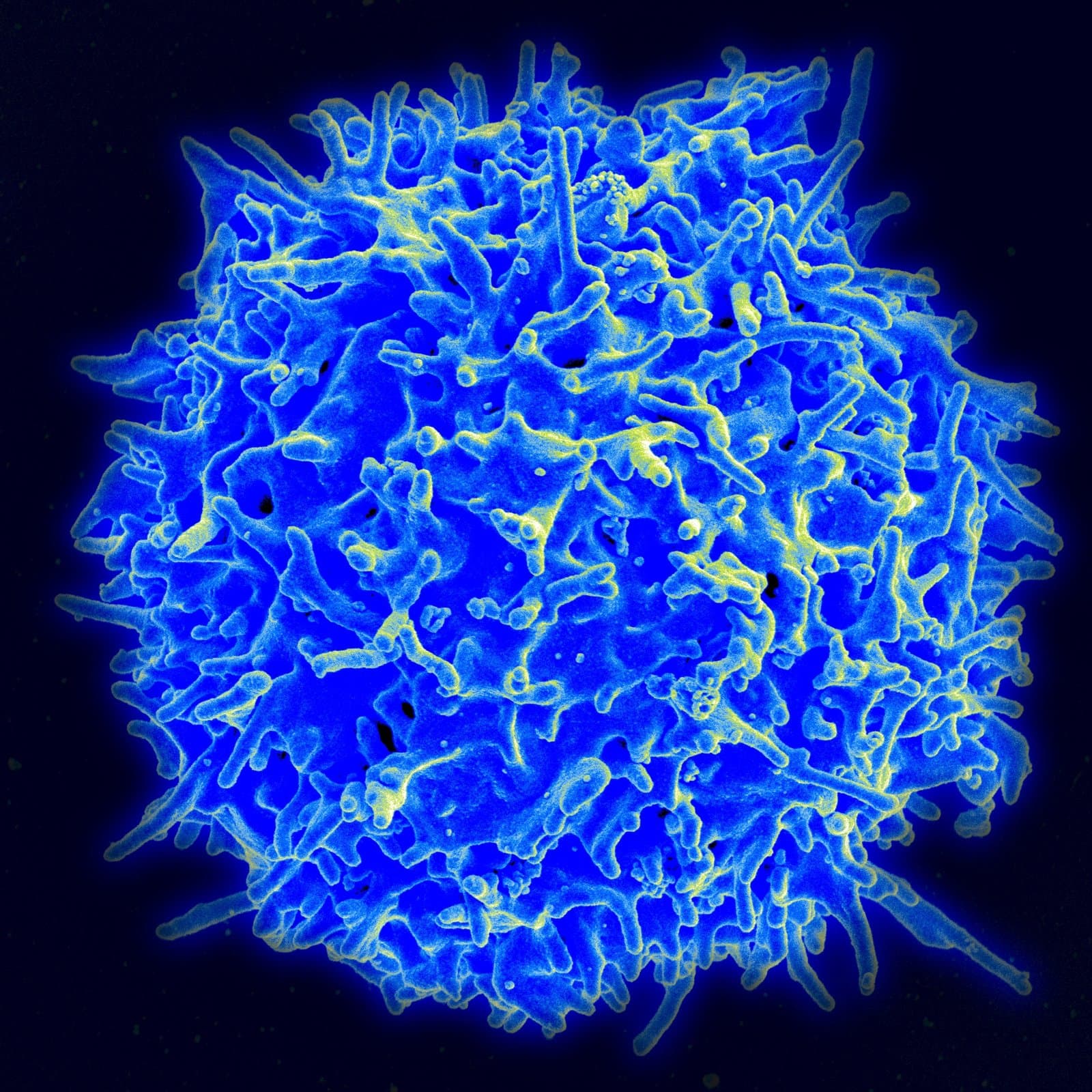
The UW Medicine Institute for Protein Design and NVIDIA have released RFD4-Proteina, an open-source generative model that, across computational benchmarks, achieved fivefold to tenfold higher design success rates while generating protein candidates five to 10 times faster than previous models.
Just News Desk · 23 October 2026
Science
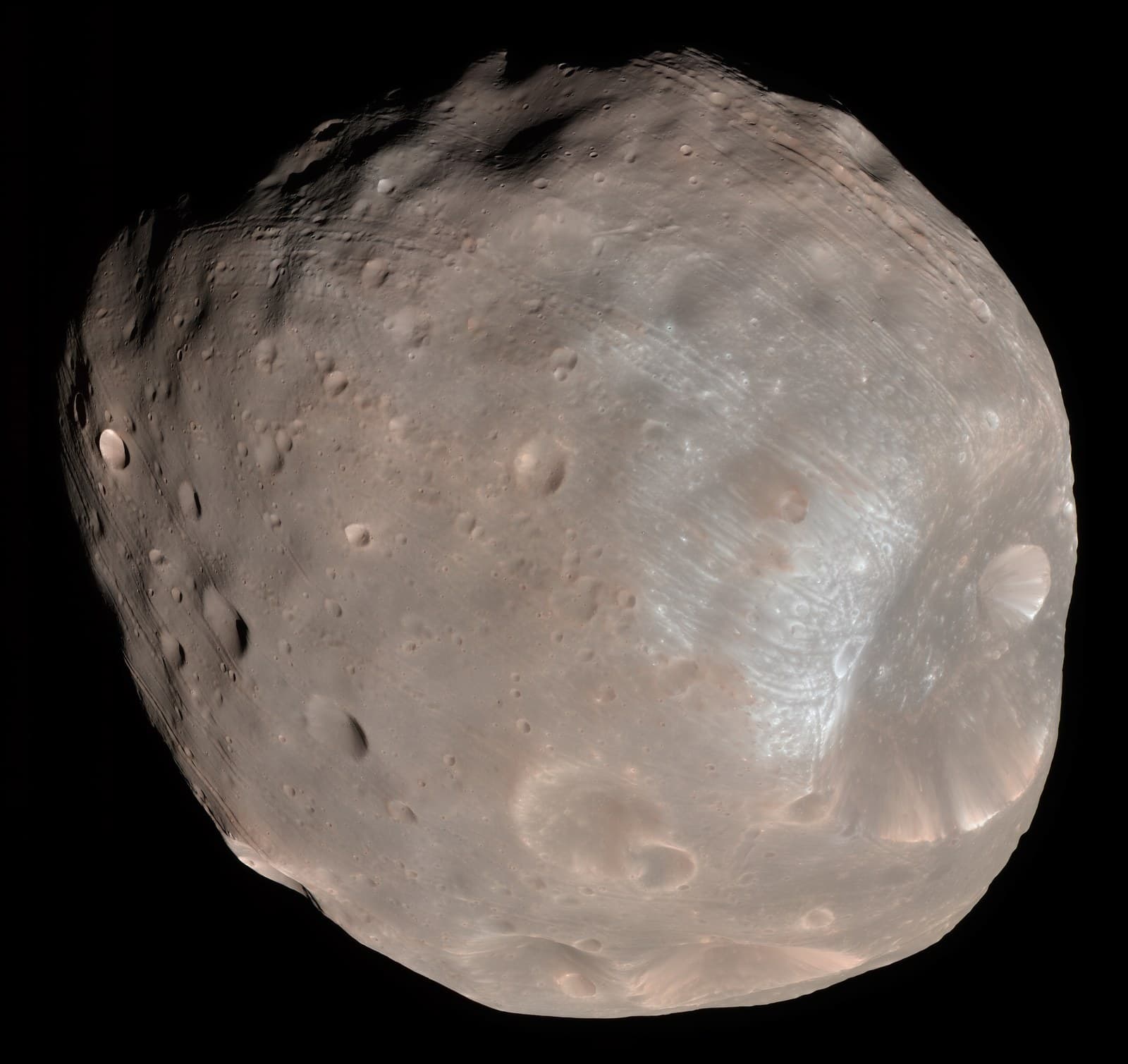
JAXA's Martian Moons eXploration spacecraft lifted off on an H3 rocket from Tanegashima and is healthy on its way to Mars, where it is to land twice on Phobos and return at least 10 grams of the moon's surface to Earth in 2031.
Just News Desk · 21 October 2026
Science
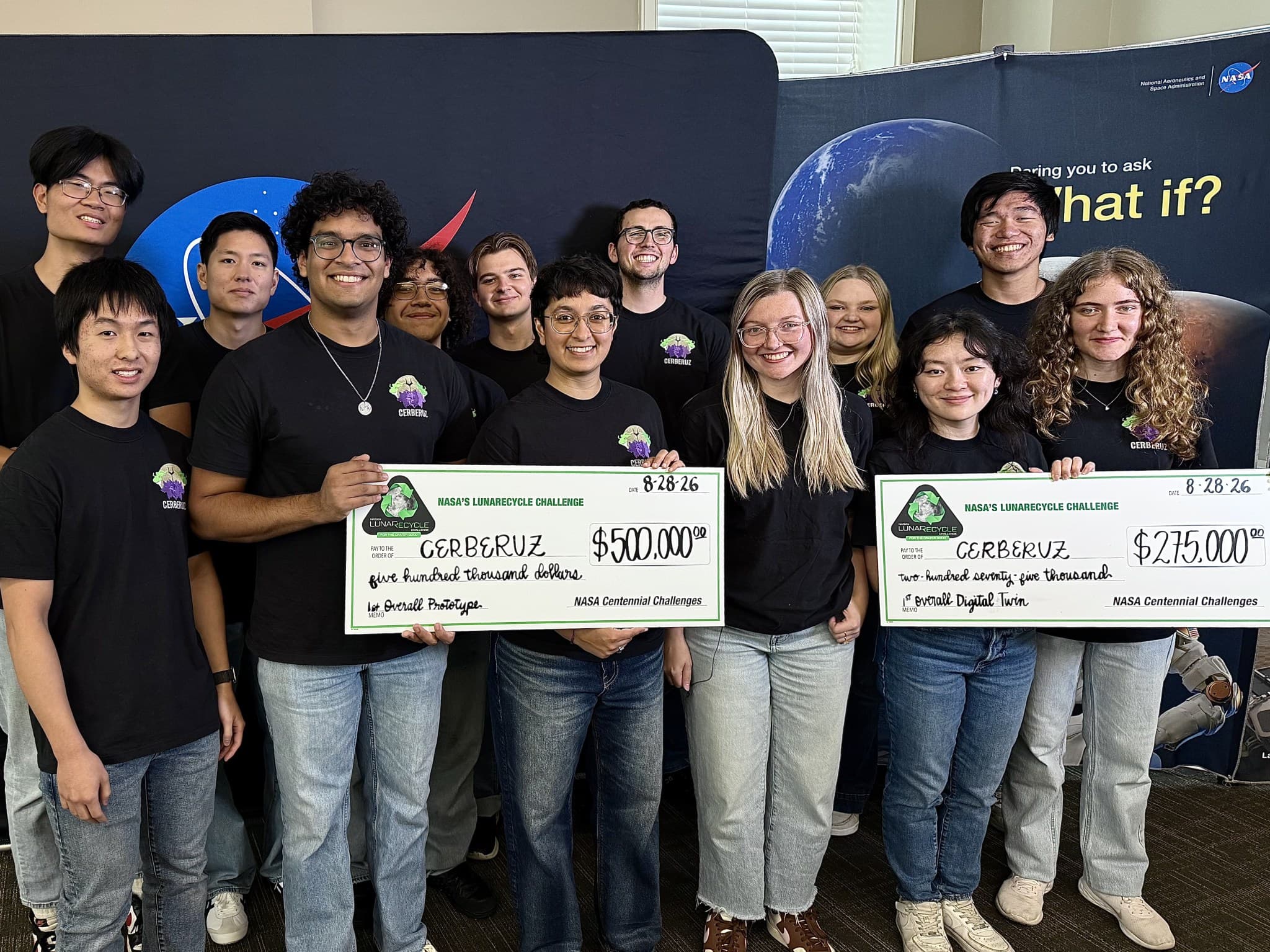
An MIT student team called CERBERUZ took first prize in both the prototype and digital twin tracks of NASA's LunaRecycle Challenge, earning $775,000 in final-round awards for a system that grinds mixed packaging waste into composite feedstock for tools and spare parts on a future lunar outpost.
Just News Desk · 21 October 2026

Culture
Divers working off Kekova Island on Turkey's Mediterranean coast have raised Early Bronze Age storage jars from a trading vessel that sank an estimated 4,400 to 4,700 years ago, a find Akdeniz University says is the world's oldest known shipwreck. Clay analysis points to workshops in the Jordan Valley, and the dating, based on the style of the pottery, is preliminary and not yet published.
Just News Desk · 20 October 2026
Technology
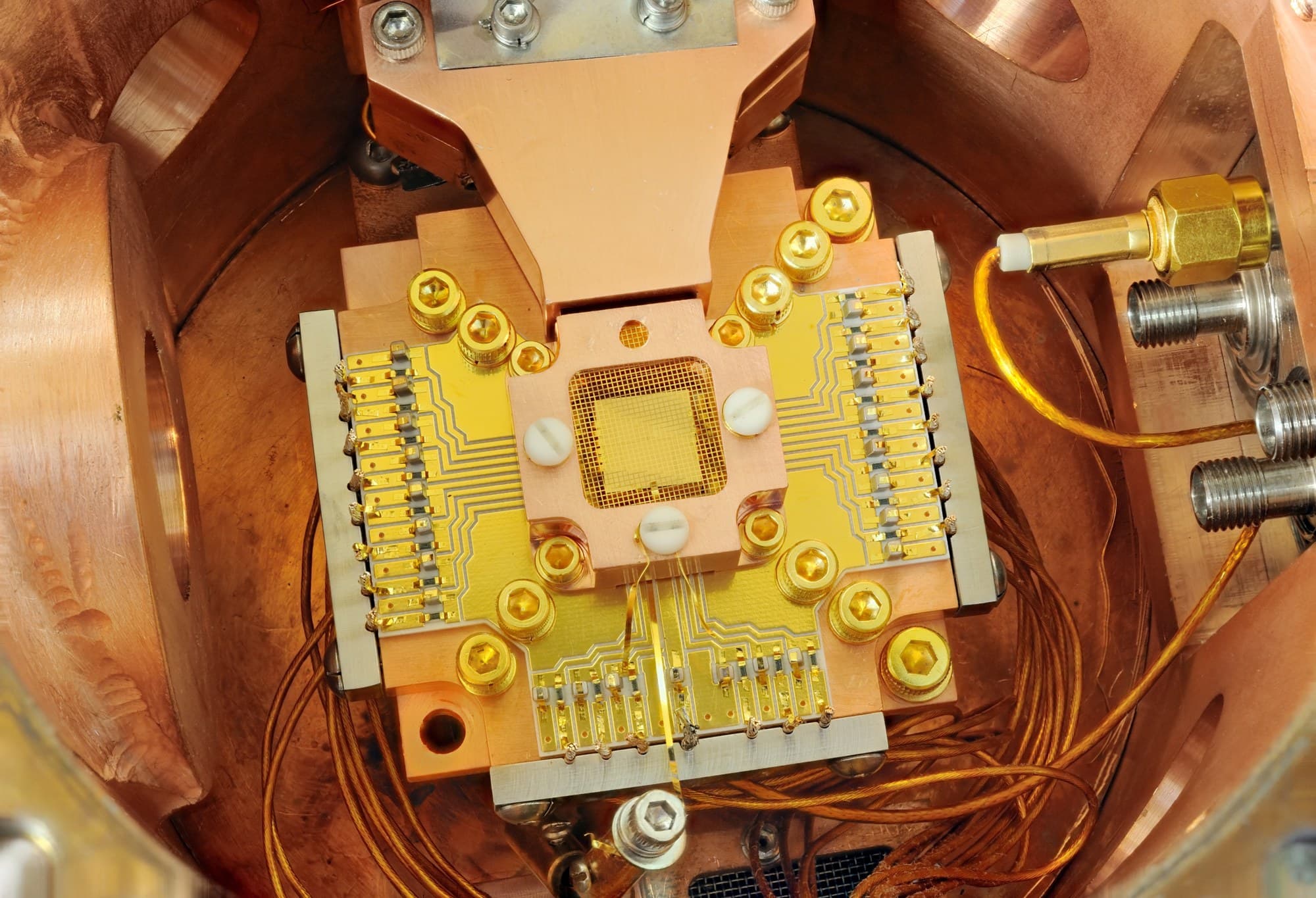
Quantinuum says its Helios trapped-ion quantum computer reached a logical fidelity of 99.9995 percent, about five uncorrectable errors per million operations, using color codes of increasing size. The company-reported result is described in a preprint that has not been peer reviewed.
Just News Desk · 20 October 2026
Science
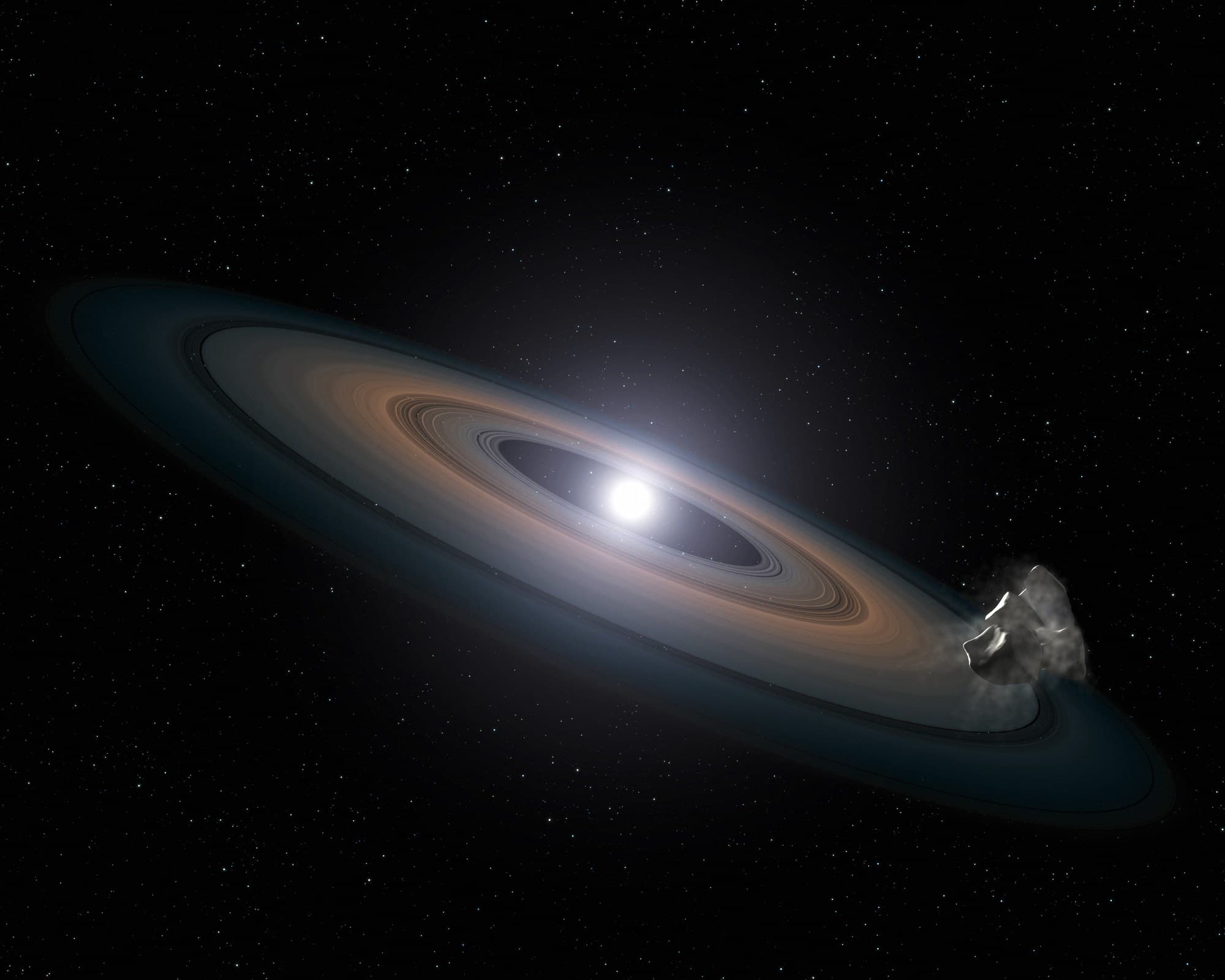
University of Warwick astronomers report that the white dwarf WD J1330+6435, its dense atmosphere enriched with sodium, lithium and calcium from accreted rocky material, would appear chartreuse green to the human eye, which they describe as the first genuinely green star known. The study, in RAS Techniques and Instruments, finds that about one in thirty white dwarfs would shine in an unusual colour, though the typical white dwarf really is white.
Just News Desk · 20 October 2026
Science
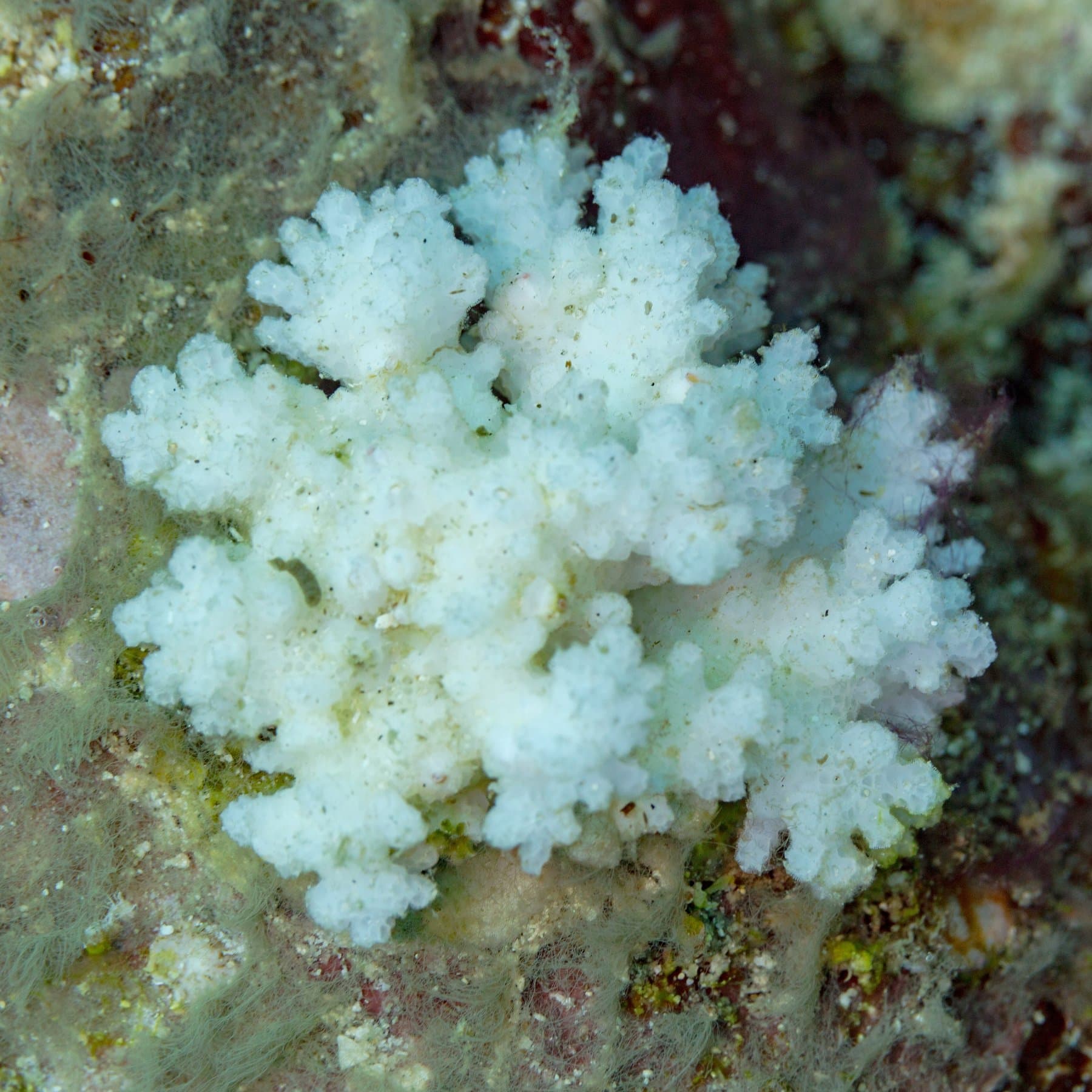
In a laboratory study published in Science Advances, Stanford researchers found that bleached coral fragments fully recovered within weeks after brief contact with genetically identical healthy fragments, which fused tissue with them and passed along symbiotic algae. The team cautions the approach is not yet feasible at reef scale.
Just News Desk · 19 October 2026
Science
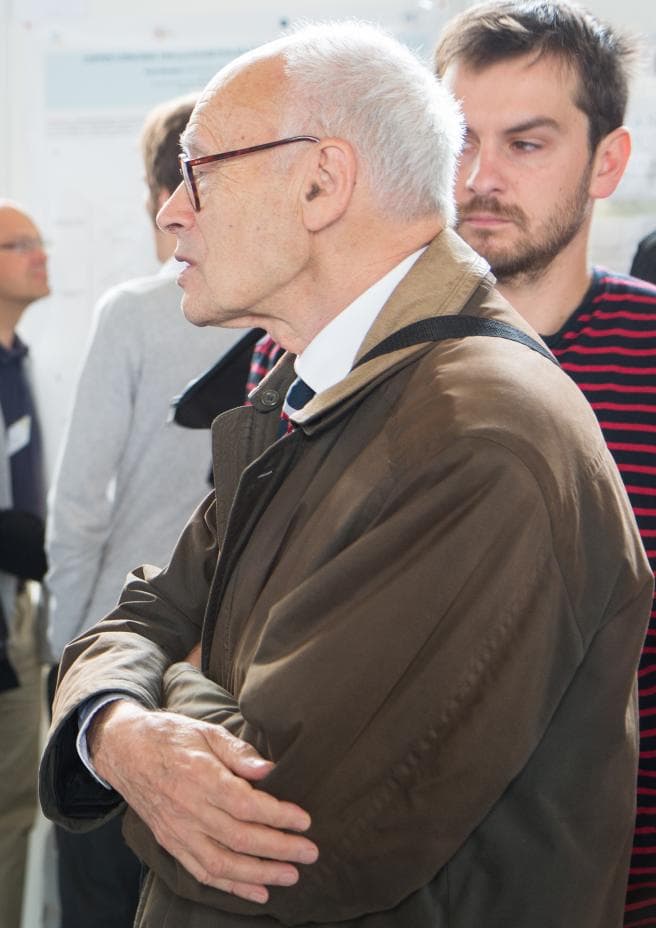
The Royal Swedish Academy of Sciences has awarded the 2026 Nobel Prize in Chemistry to Henri B. Kagan of Université Paris-Sud and Kenso Soai of Tokyo University of Science for discovering non-linear effects and autocatalysis that let chemical reactions produce only one of two mirror-image molecules, a feat decisive for pharmaceutical design.
Just News Desk · 16 October 2026

Science
The Nobel Assembly at Karolinska Institutet has awarded the 2026 Nobel Prize in Physiology or Medicine to Karl Deisseroth, Peter Hegemann and Georg Nagel for the discovery of light-gated ion channels in a single-celled alga and their transformation into optogenetics, a method for switching nerve cells on and off with light.
Just News Desk · 14 October 2026
Science
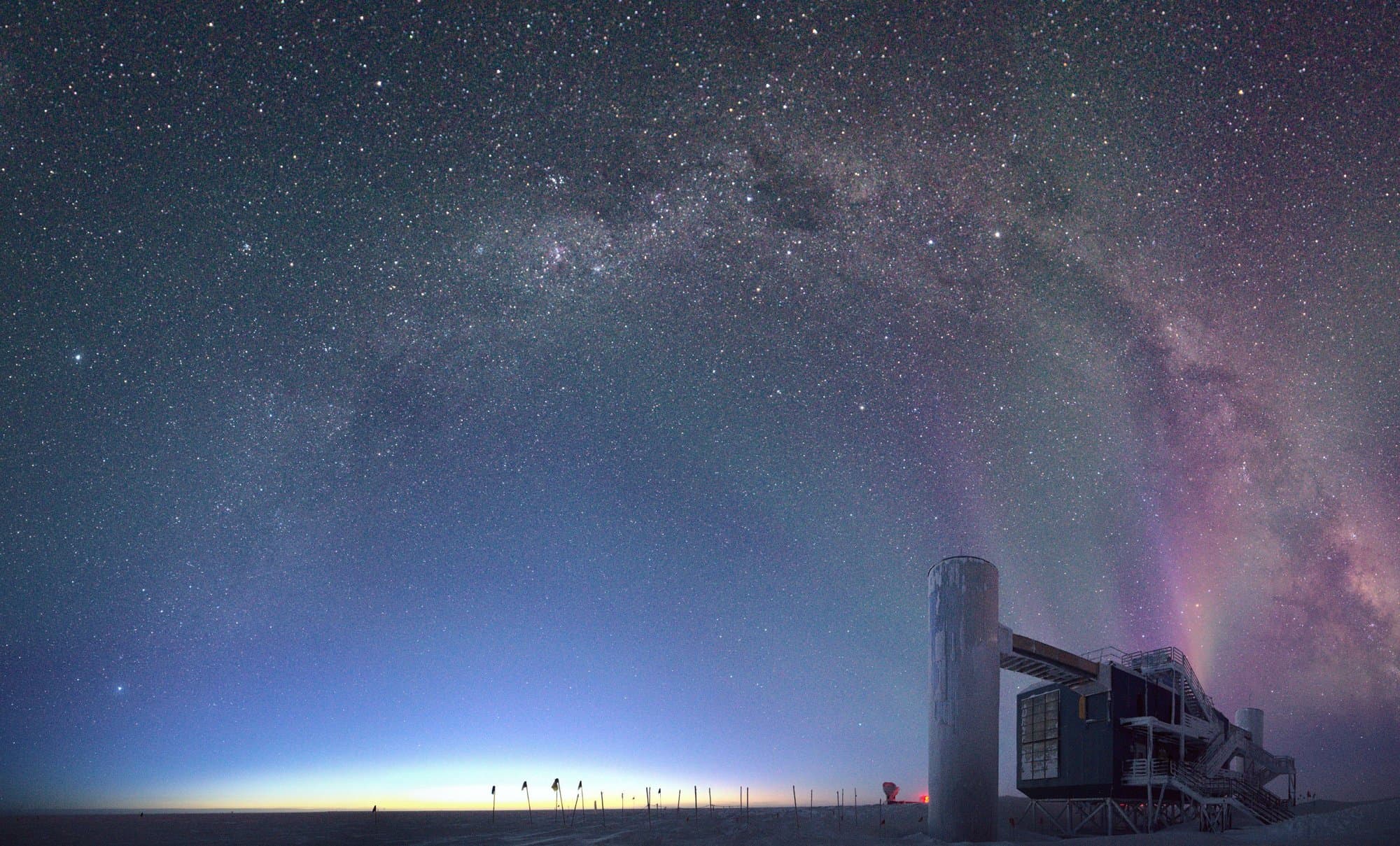
The Royal Swedish Academy of Sciences has awarded the 2026 Nobel Prize in Physics to Francis Halzen of the University of Wisconsin-Madison for his decisive role in building the IceCube Neutrino Observatory at the South Pole and for the discovery of high-energy neutrinos from beyond the solar system.
Just News Desk · 14 October 2026
Environment
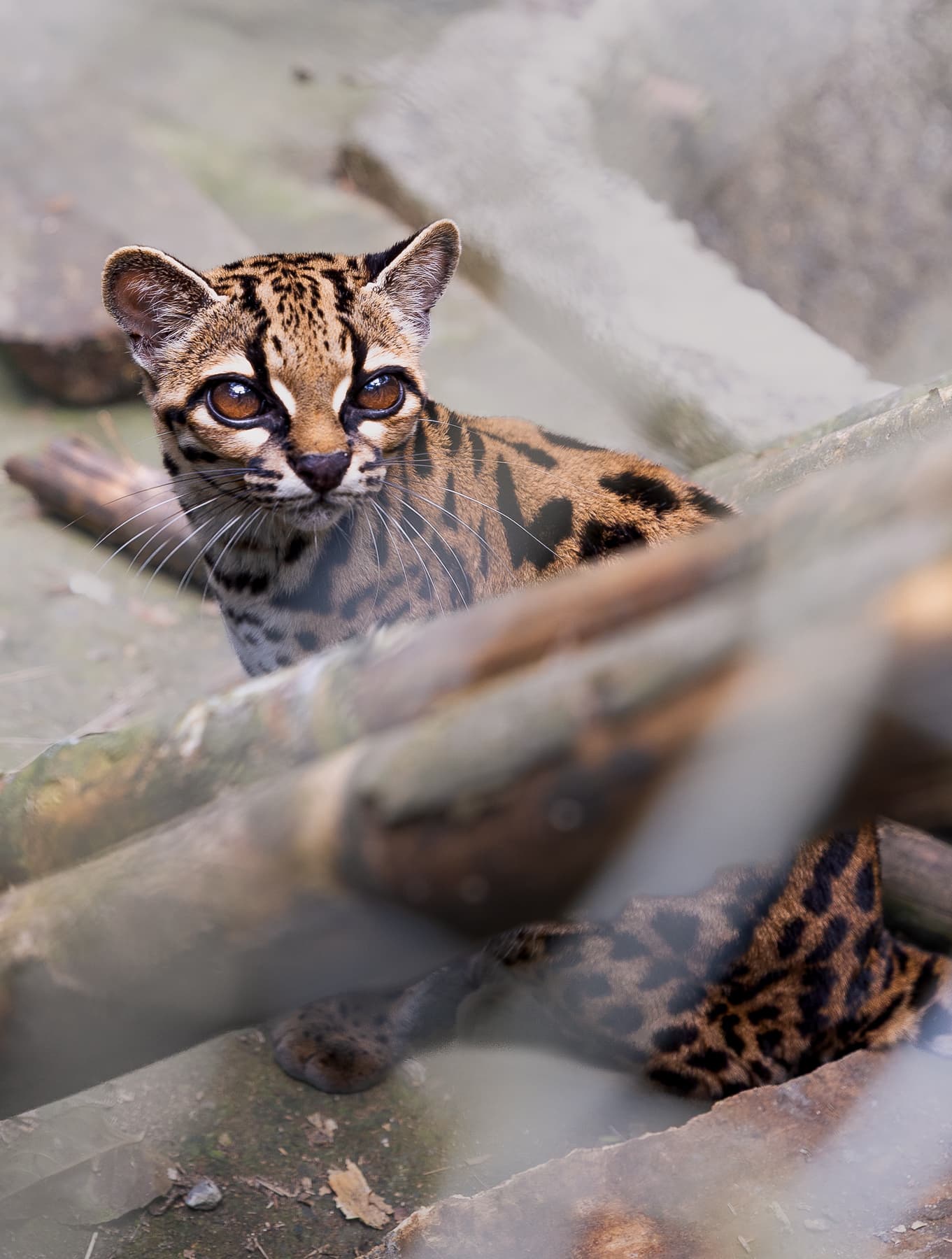
An international team reporting in Current Biology has formally named Leopardus tilcayo, a cloud-forest tiger cat from Bolivia's Yungas, as the first new living wild cat species described in more than 100 years, after genome work showed South America's tiger cats comprise five distinct species.
Just News Desk · 20 September 2026
Environment
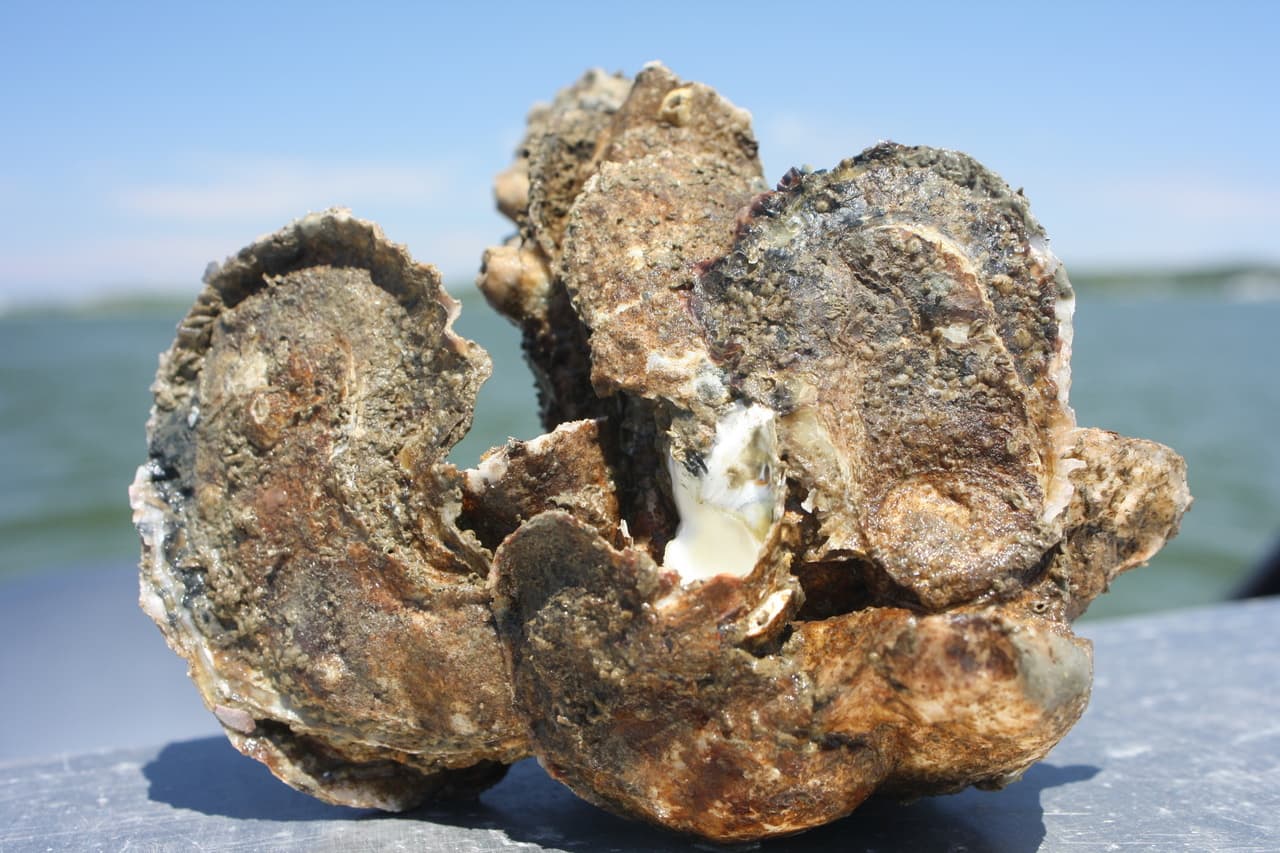
An Ecosphere study led by UMBC with Smithsonian and NOAA researchers finds Harris Creek’s restored oyster reefs keep high cover and support larger resident fish six to ten years after construction.
Just News Desk · 17 September 2026
Science
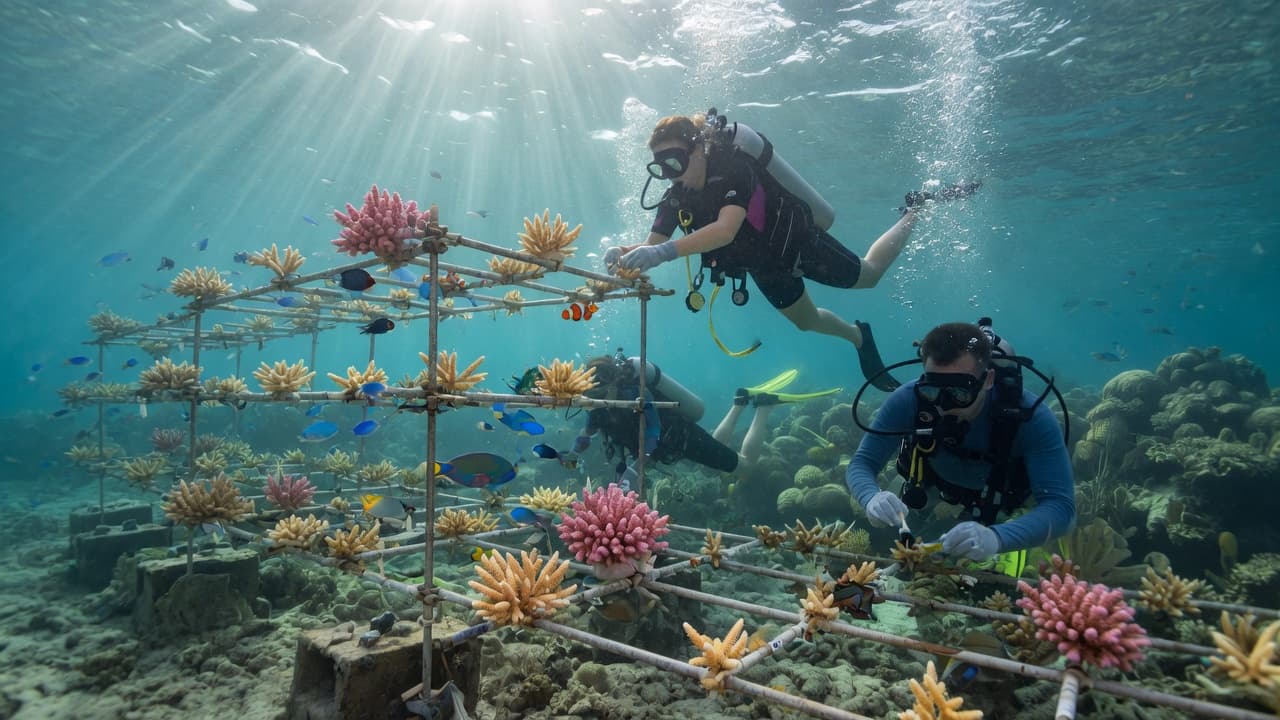
Selectively bred coral fragments on a Philippine reef survived a marine heatwave at rates that stunned even the scientists who planted them. The work is slow, wet, and newly convincing.
Elena Voss · 9 September 2026