Archaeologists Off Turkey Recover the Cargo of What Is Believed to Be the Oldest Known Shipwreck
Divers working off Kekova Island on Turkey's Mediterranean coast have raised Early Bronze Age storage jars from a trading vessel that sank an estimated 4,400 to 4,700 years ago, a find Akdeniz University says is the world's oldest known shipwreck. Clay analysis points to workshops in the Jordan Valley, and the dating, based on the style of the pottery, is preliminary and not yet published.
Just News Desk, Correspondent||6 min read
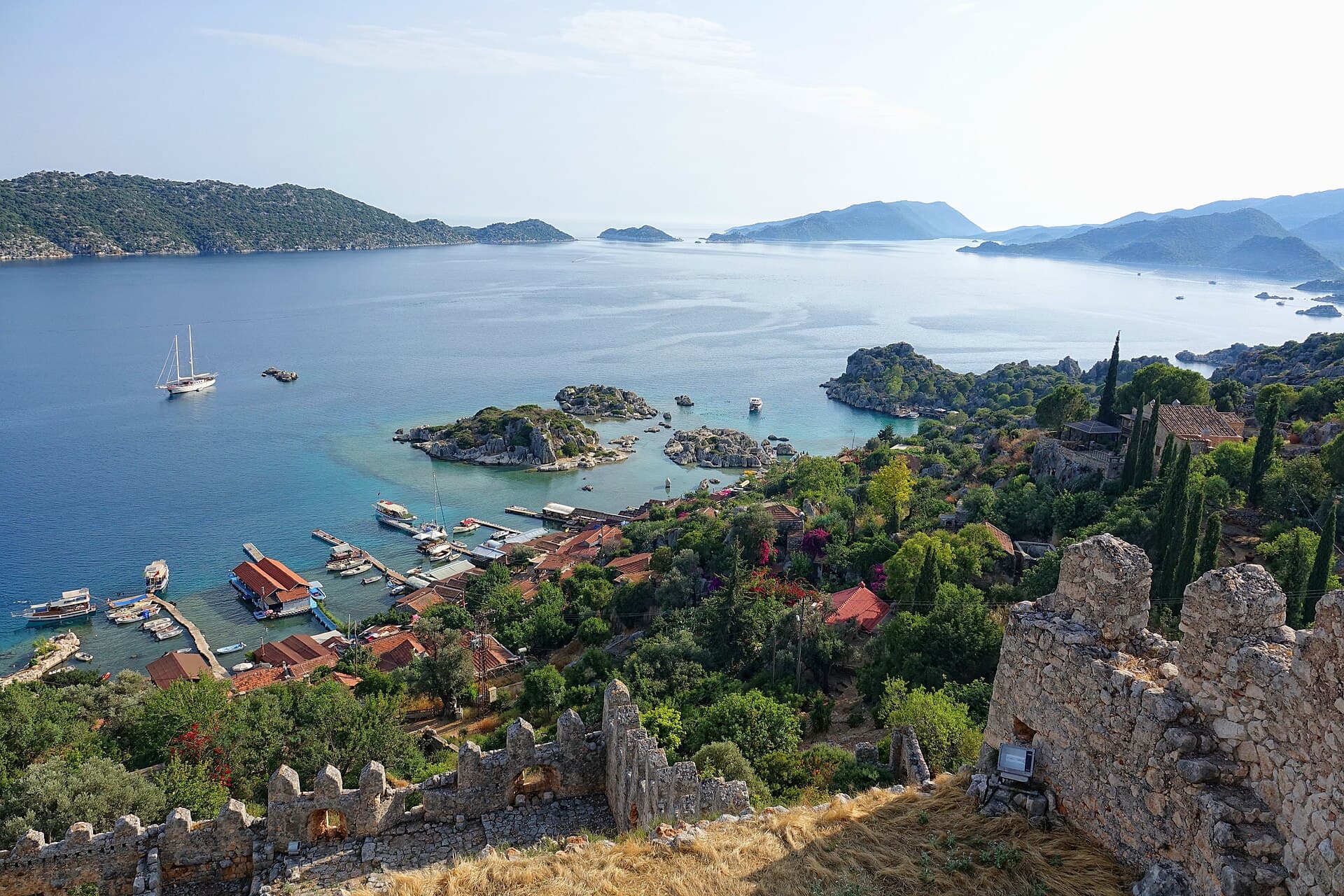
KEKOVA, Turkey - On a rocky slope some 30 metres beneath the sea off Kekova Island, divers have recovered clay storage jars from a merchant ship that sank an estimated 4,400 to 4,700 years ago, a find that Turkish archaeologists believe is the oldest known shipwreck in the world, Akdeniz University said. The dating rests on the style of the ship's pottery, and the researchers caution that it is preliminary; a paper outlining the results has yet to be published in a peer-reviewed journal.
The excavation, which began this year under permits from Turkey's Ministry of Culture and Tourism, is led by the Antalya Museum Directorate with Associate Professor Hakan Öniz of Akdeniz University's Faculty of Fine Arts as its scientific director, the university said in a statement on 15 October. Dr. Öniz, a specialist in underwater cultural heritage who has worked along this coastline for decades, first identified the wreck in 2024 after following clues from local seafarers, according to Karin Sowada, an archaeologist at Macquarie University in Australia who helped date the cargo.
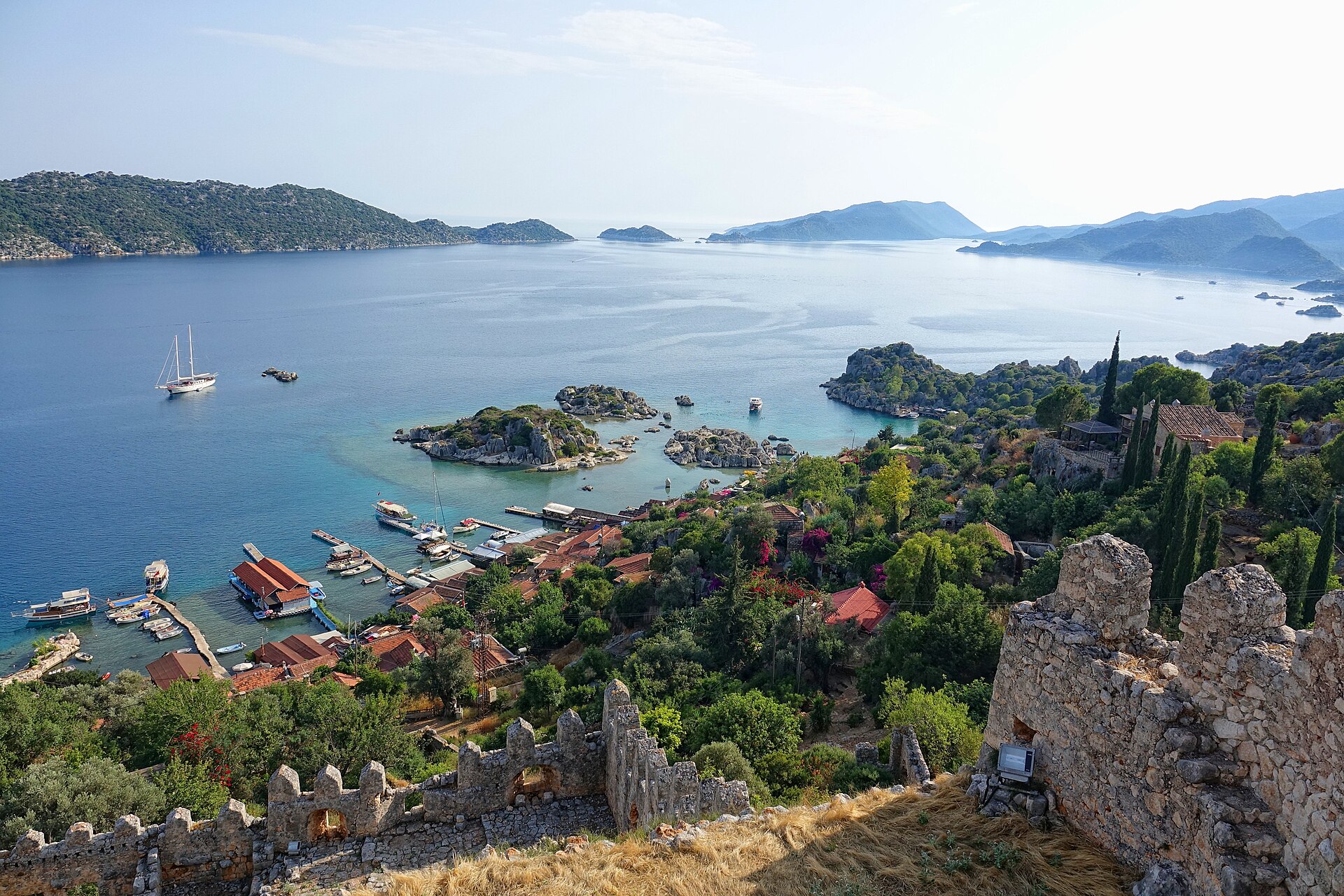
Kekova Island and the sheltered waters of Kekova Sound, seen from the Simena fortress above Kaleköy village in Antalya province, 2019. The photograph shows the wider area and is illustrative; it is not the wreck site. Photo: Bjørn Christian Tørrissen, via Wikimedia Commons (CC BY-SA 4.0). Source page: https://commons.wikimedia.org/wiki/File:Kekova_island_and_Kalekoey_village.jpg
Nothing of the ship's timber survives. What remains is its cargo, scattered across the slope: more than 30 amphorae, the large two-handled jars used to move goods by sea, and three large stone anchors, the BBC reported. The archaeologists estimate the vessel was about 10 metres long and served as a trading ship.
"The shipwreck is a time capsule at the bottom of the sea," Dr. Öniz told the BBC.
Because no wood remained, radiocarbon dating was not possible. Instead, the team compared the jars, ovoid and flat-based with two handles and, on many, a raised clay "belt" around the widest part, with vessels of known age elsewhere. Writing in The Conversation, Dr. Sowada said the team had tentatively dated the wreck to around 2700 to 2400 BCE, roughly 4,500 years ago, and added: "Earlier or later dates on either side of this initial determination are also possible."
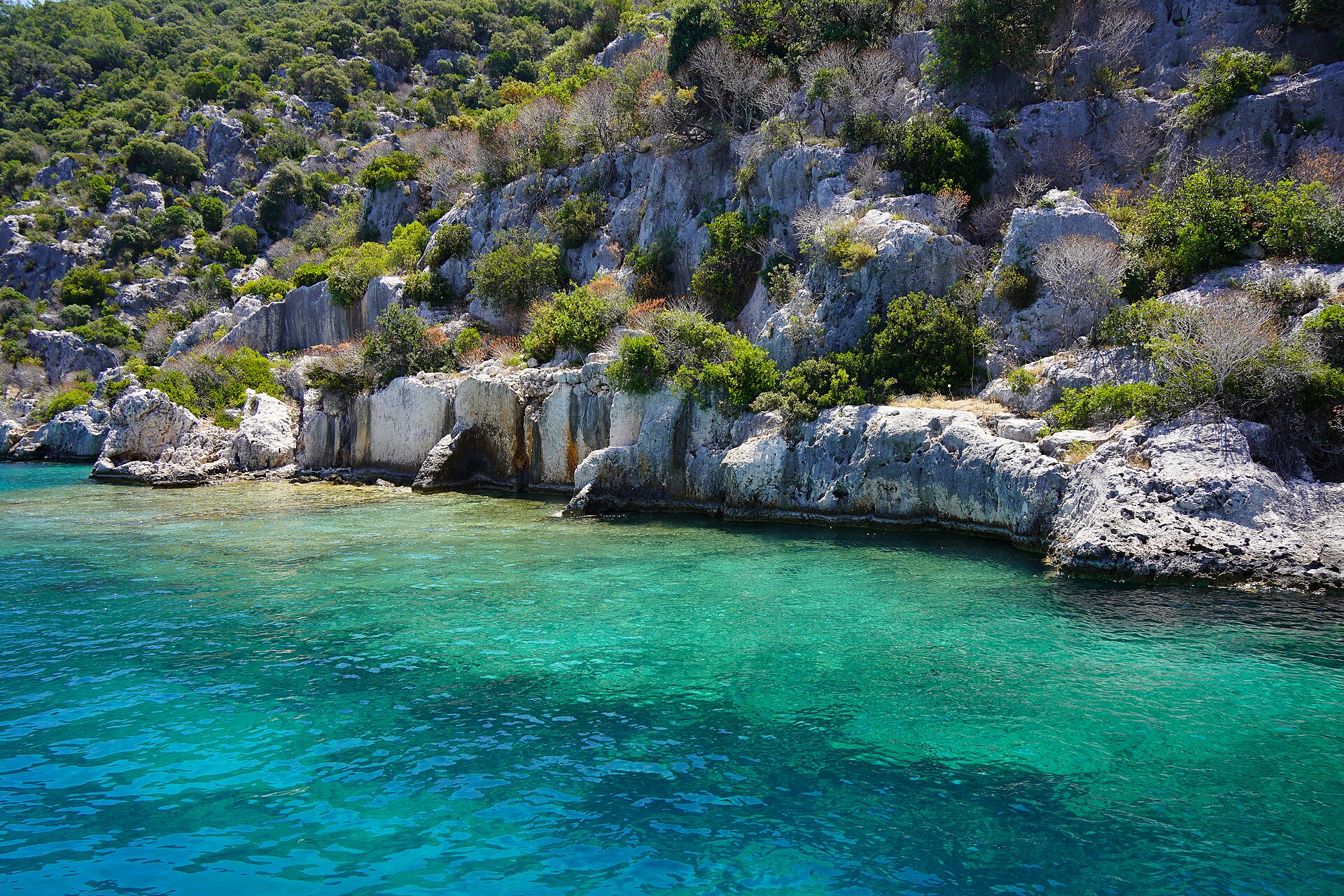
Clear water and second-century ruins along the shore at Simena, in the Kekova area, 2023. The coast is known for its many ancient wrecks; this image is illustrative and does not show the Bronze Age site. Photo: JamesDavidShoots, via Wikimedia Commons (CC BY-SA 4.0). Source page: https://commons.wikimedia.org/wiki/File:Sunken_City_Ruins_in_Kekova.jpg
According to the university, clay analysis of the recovered amphorae indicates they were made in workshops in the Jordan Valley, and they are thought to have carried olive oil and wine. Similar jars have been found around the pyramids at Giza, Saqqara and Abusir in Egypt, as well as at Troy and on Crete, which the university said reflects the reach of a trading network that spanned the Mediterranean some 4,700 years ago. Dr. Sowada was more measured, describing the Jordan Valley link as the team's "best assessment at this stage of research" for some of the belted jars.
The researchers are considering the possibility that the ship set out from a port on the Levantine coast, bound for Troy or Crete, when it went down off Kekova, the university said. Dr. Sowada suggested the vessel may have sought shelter in the lee of the islands during a storm.
Some of the jars still hold visible residue. "I looked inside and nearly fainted," Dr. Sowada told the BBC. "It could be olive oil, it could be wine, it could be tree resins," she said, noting that scientific analyses are still pending and that the residue could also reflect reuse of the jars over many years.
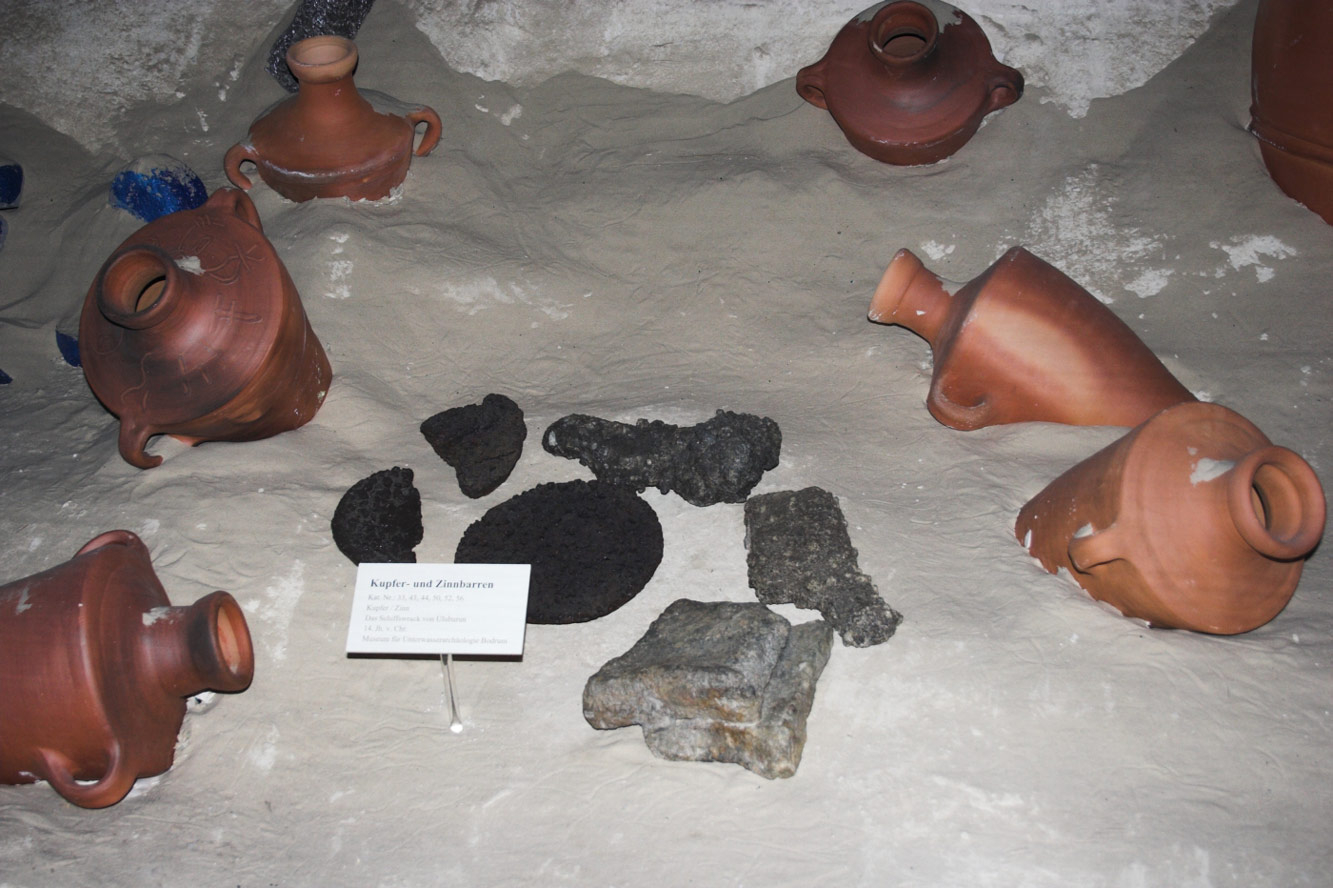
Replica and original artefacts, including stone anchors and ceramic jars, from an exhibition in Bochum, Germany, in 2006 on the Uluburun wreck, a Late Bronze Age ship found off Kaş on the same Turkish coast and more than a thousand years younger than the Kekova find. The image is illustrative of how such cargoes lie on the seabed; it does not show Kekova material. Photo: Martin Bahmann, via Wikimedia Commons (CC BY-SA 3.0). Source page: https://commons.wikimedia.org/wiki/File:Uluburun9.jpg
One jar has drawn particular attention. Marked with nine different signs and pierced by two holes in its body, it may have been a churn used to make cheese or butter, initial examinations suggest, according to the university. That raises the possibility, the university said, that Early Bronze Age sailors kept live goats aboard on long voyages, milking them and making their own dairy products at sea.
If the dating holds, the Kekova wreck would displace the previous record holder, a wreck off the Greek island of Dokos that is thought to be about 4,200 years old. Dr. Sowada described the ship as a "missing piece" in the story of trade in the eastern Mediterranean during the third millennium BCE, an era that includes the pyramid age at Giza and is far less understood than later periods.
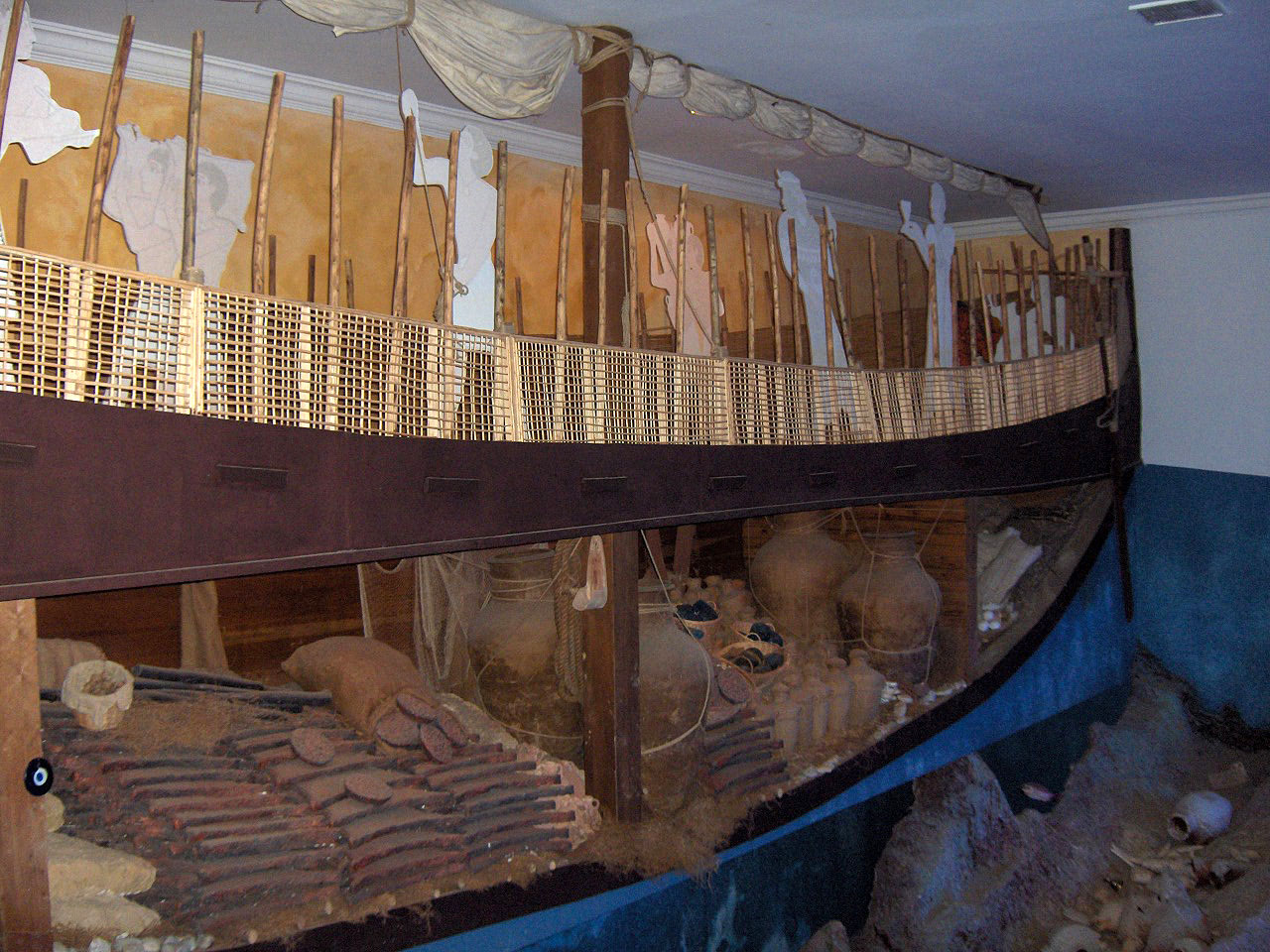
A real-size replica of the Late Bronze Age Uluburun ship at the Museum of Underwater Archaeology in St. Peter's Castle, Bodrum, Turkey, 2004. It is shown to illustrate an ancient Mediterranean trading vessel and is not a reconstruction of the Kekova ship. Photo: Georges Jansoone, via Wikimedia Commons (CC BY-SA 3.0). Source page: https://commons.wikimedia.org/wiki/File:Turkey.Bodrum091.jpg
Turkey's culture and tourism minister, Mehmet Nuri Ersoy, congratulated Dr. Öniz and the excavation team on social media, the university said. The recovered artefacts are being conserved and will go on display at the new Mediterranean Underwater Archaeology Museum in Antalya when it opens in the coming months, Mr. Ersoy said, according to the BBC.
For Dr. Öniz, the find is also a human story. "We are always thinking of the sailors," he told the BBC, and of "the producers of the amphora and the person who carried the amphora on their shoulders to the ship."
Sources: Akdeniz University, "Akdeniz Üniversitesi'nden Dünya Arkeoloji Tarihine Geçecek Keşif" (in Turkish), 15 October 2026, https://www.akdeniz.edu.tr/tr/haber/akdeniz_universitesinden_dunya_arkeoloji_tarihine_gececek_kesif-4477 ; BBC News, "World's oldest shipwreck found off coast of Turkey," 14 October 2026, https://www.bbc.com/news/articles/c6gr80rk1yyko ; Karin Sowada, "World's oldest shipwreck discovered off coast of Turkey," The Conversation, 14 October 2026, https://theconversation.com/worlds-oldest-shipwreck-discovered-off-coast-of-turkey-294248 . Details from the Turkish-language release are translated by Just Positive. The dating is preliminary, and according to Dr. Sowada a peer-reviewed paper outlining the results has not yet been published. Excavation photographs are not reproduced; all images here are openly licensed and illustrative, and none shows the Kekova wreck or its cargo.
- culture
- archaeology
- history
- science
- discovery