
Scientists Name Bolivian Tilcayo Tiger Cat, First New Wild Cat Species in a Century
An international team reporting in Current Biology has formally named Leopardus tilcayo, a cloud-forest tiger cat from Bolivia's Yungas, as the first new living wild cat species described in more than 100 years, after genome work showed South America's tiger cats comprise five distinct species.
Just News Desk, Correspondent||4 min read
LA PAZ, Bolivia - An international research team has formally named a new species of wild cat from Bolivia's Yungas cloud forests, Leopardus tilcayo, describing it in the journal Current Biology as the first novel living cat species recognized by science in more than a century.
The paper, led by Jonas Lescroart of the University of Antwerp and Paola Nogales-Ascarrunz of Bolivia's Programa de Investigación de Félidos, analyzed complete genomes from 38 individuals in the Neotropical genus Leopardus, including eight museum specimens. The work concludes that the contentious "tiger cat" complex comprises five distinct species and adds a newly described Bolivian lineage that diverged from related tiger cats about 1.4 million years ago. The team also described a new subspecies of northern tiger cat from Peru's Yungas, Leopardus tigrinus antisuyo.
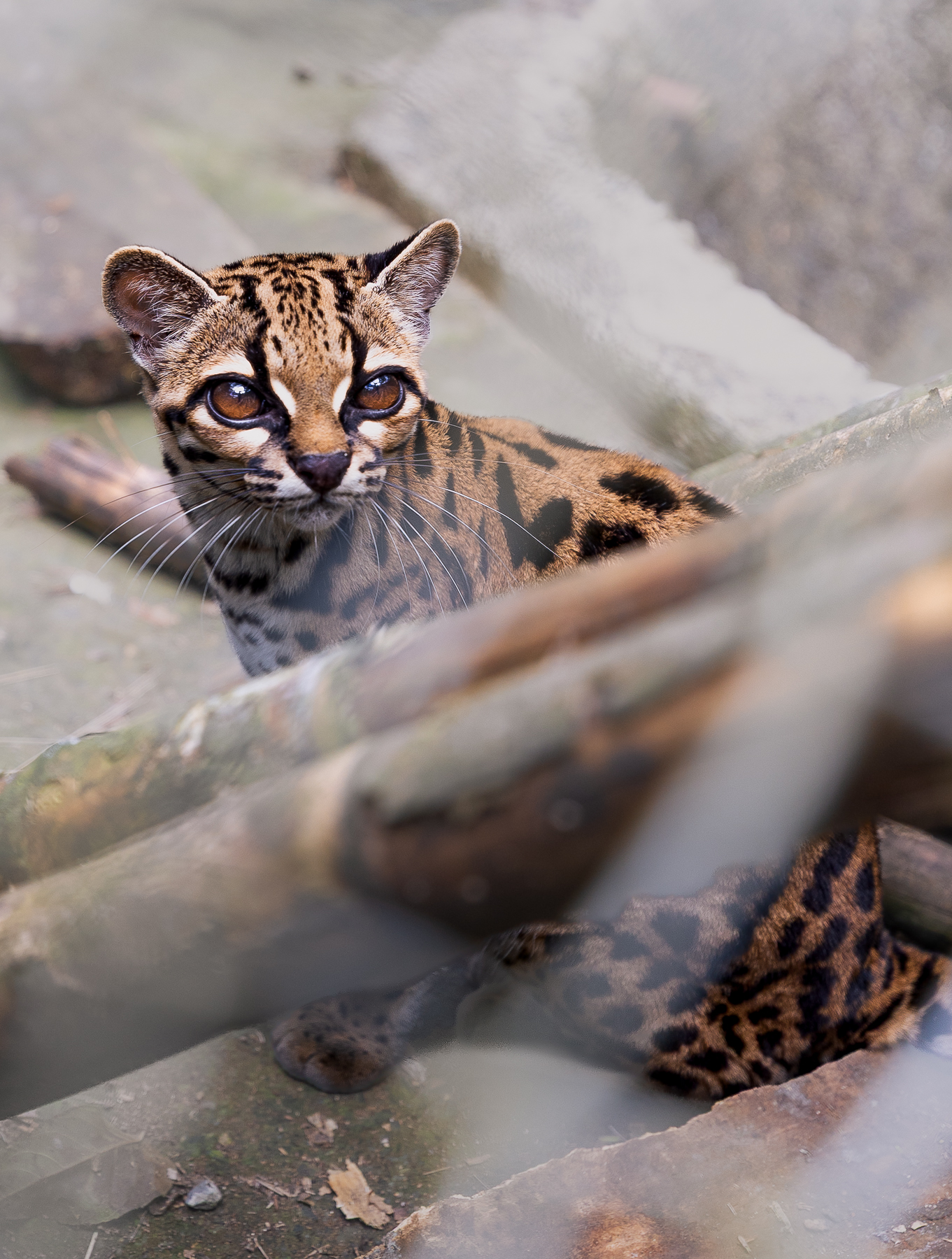
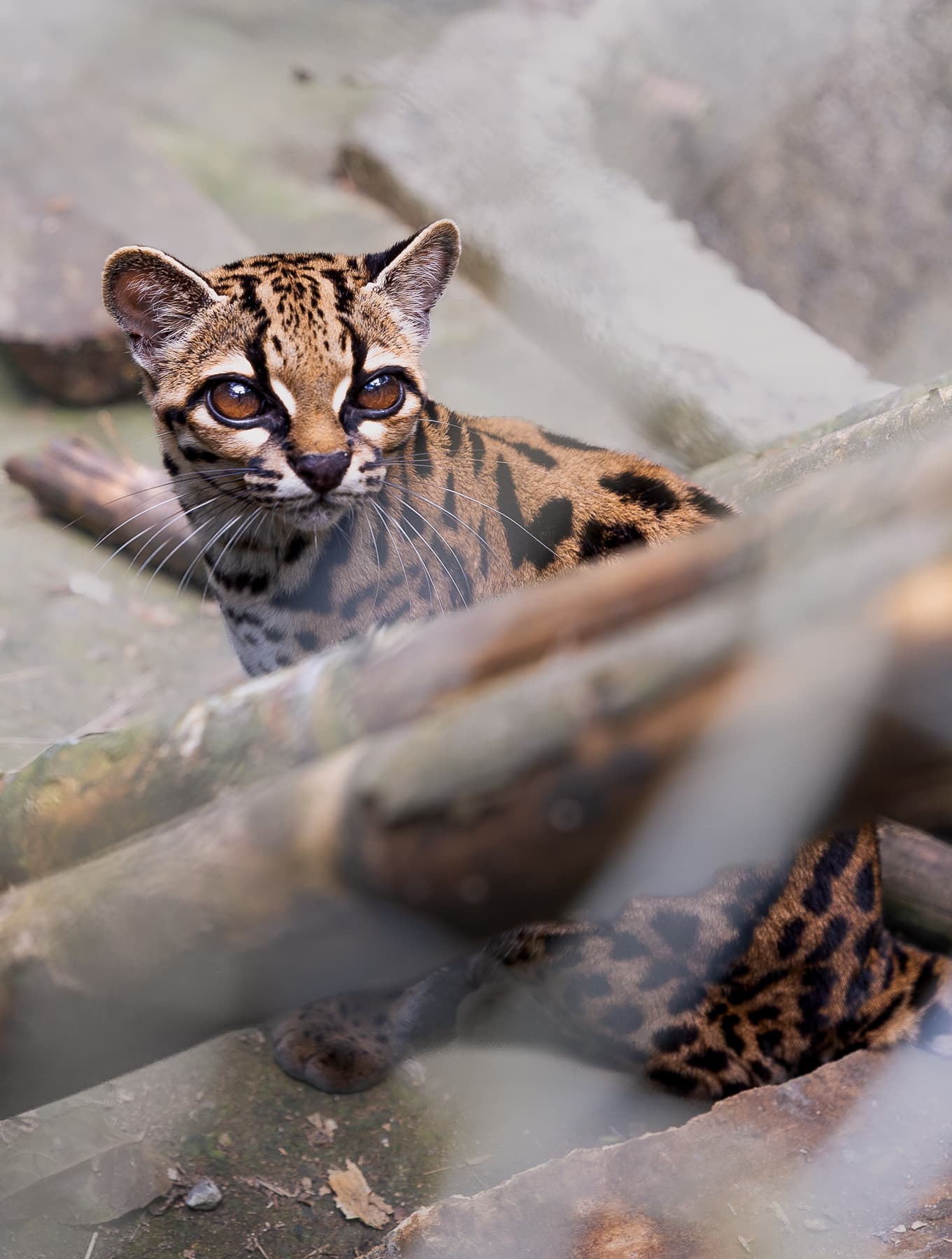
Face of Leopardus tilcayo, photographed in captivity at La Senda Verde in Bolivia's Yungas. Researchers say the species is smaller than a typical house cat, with irregular rosette markings. Photo: Alessandro Verniani, via Wikimedia Commons (CC BY-SA 4.0). Source page: https://commons.wikimedia.org/wiki/File:Tilcayo_tiger_cat.jpg
Nogales-Ascarrunz, a National Geographic Explorer who volunteers at the Senda Verde Wildlife Sanctuary near Coroico, first scrutinized an unusually small spotted cat brought to the refuge after a local resident mistook it for a domestic kitten. Colleagues initially suspected a known Brazilian tiger cat, she told NBC News, but the spots and proportions did not match. Genetic work on that animal and a second Senda Verde specimen later showed they belonged to a lineage distinct enough to warrant species status. Local communities already knew the animal as the tilcayo, a traditional name the authors retained rather than inventing a new vernacular label.
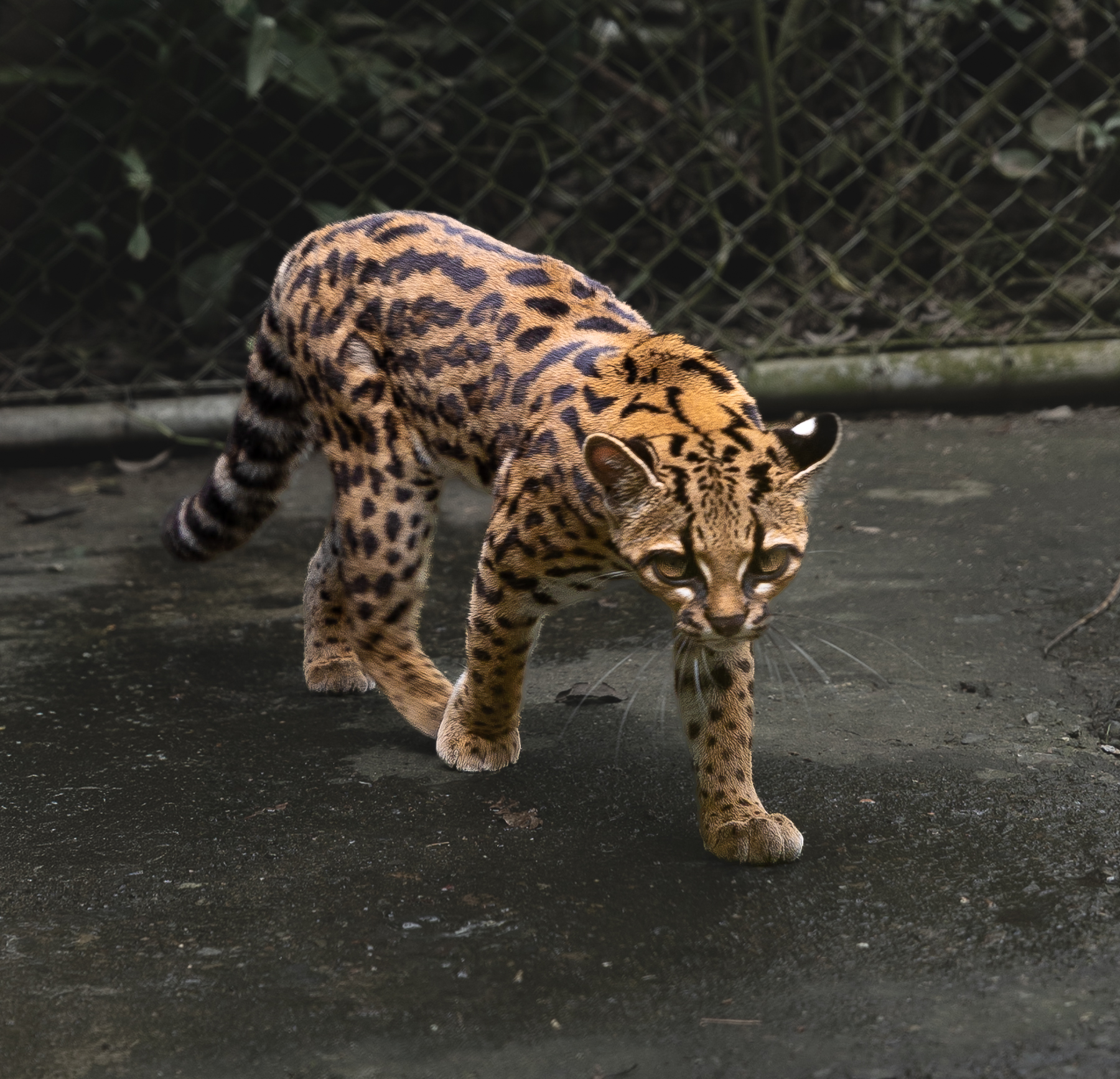
Full-body view of a captive tilcayo tiger cat at La Senda Verde. Reuters reporting citing researchers describes the animal as roughly 46 centimeters long and about 1.4 kilograms, with light brown fur and irregular rosettes. Photo: Alessandro Verniani, via Wikimedia Commons (CC BY-SA 4.0). Source page: https://commons.wikimedia.org/wiki/File:Tilcayo_tiger_cat_(full_body).jpg
Tiger cats are cryptic: nearly identical in appearance yet genetically distinct, Lescroart told Al Jazeera and Live Science. Previous taxonomic splits had reinstated or elevated named forms such as the southern tiger cat, but the Bolivian animal had never received a scientific name or formal description. "We never expected this Bolivian tiger cat to be a separate species, and no one had ever proposed it as a different animal, subspecies or otherwise," Lescroart said in Reuters coverage of the study. Live Science noted that descriptions rest on limited living individuals, including the captive type specimen at Senda Verde, sometimes called Tigrino.

Montane forest in Parque Nacional y Área Natural de Manejo Integrado Cotapata, within Bolivia's Yungas ecoregion where Leopardus tilcayo has been genetically confirmed. Photo: Tommytree, via Wikimedia Commons (CC BY-SA 4.0). Source page: https://commons.wikimedia.org/wiki/File:Bosque_yungas.jpg
Much about the species remains unknown. Researchers told Al Jazeera and NBC News they lack firm population estimates, a full range map within the Yungas, and basic natural-history details, though scat samples have suggested small rodents in the diet and camera-trap work points to nocturnal activity. Nogales-Ascarrunz is installing additional camera traps in the Yungas to document wild tilcayos. Co-author Tadeu de Oliveira of Brazil's State University of Maranhão told NBC News that tiger cats occupy habitats that are vanishing quickly under agricultural and development pressure.
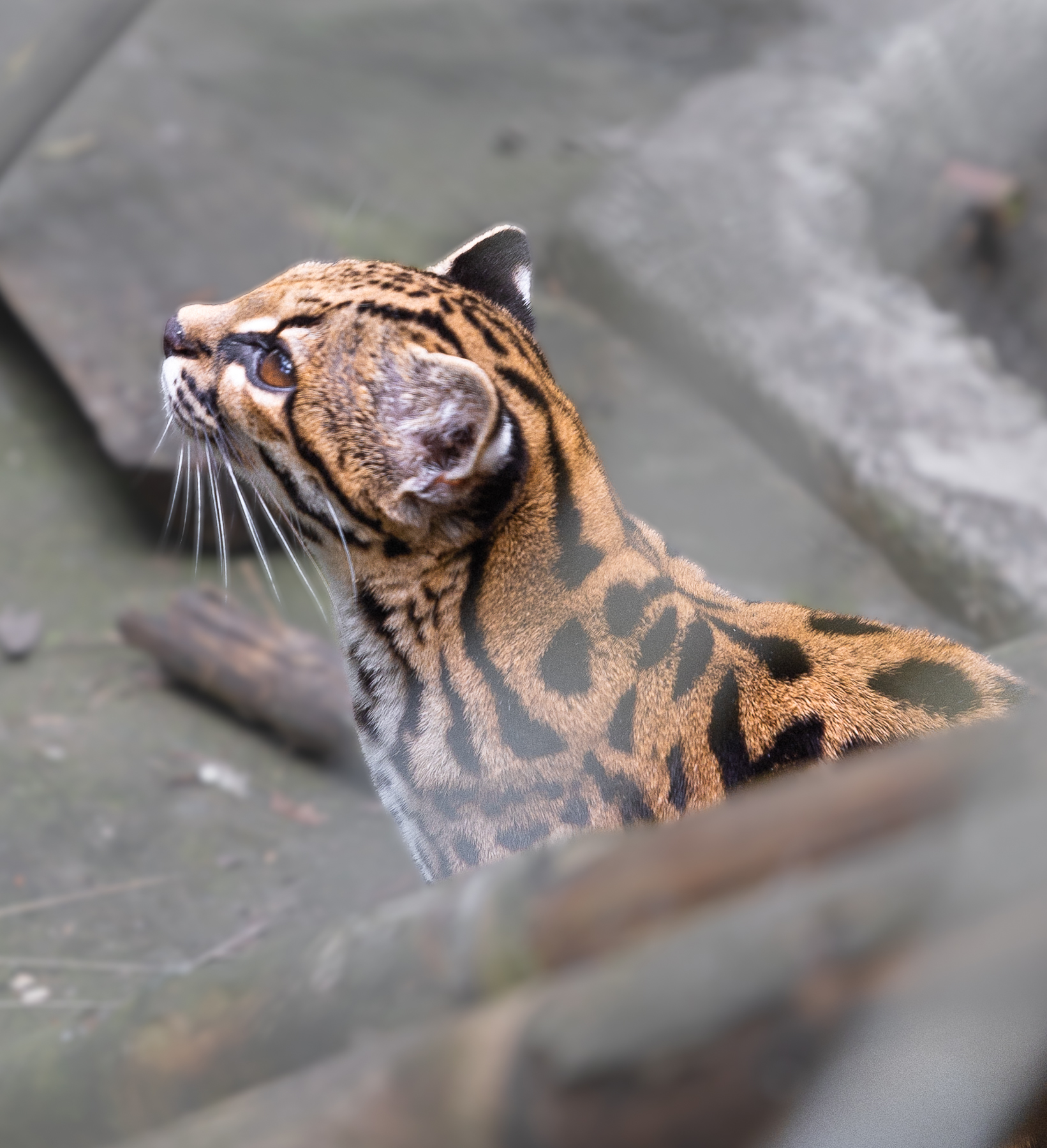
Side profile of Leopardus tilcayo at La Senda Verde. The Current Biology study also clarified four other tiger cat species across South America and named a Peruvian Yungas subspecies, L. tigrinus antisuyo. Photo: Alessandro Verniani, via Wikimedia Commons (CC BY-SA 4.0). Source page: https://commons.wikimedia.org/wiki/File:Tilcayo_tiger_cat_(side_profile).jpg
Conservationists say the taxonomic revision could reshape how tiger cats are assessed on the IUCN Red List, which has treated northern and southern forms as vulnerable with decreasing populations. Splitting lineages into narrower species can leave each unit with a smaller attributed range and population, potentially elevating extinction risk rankings and sharpening protection needs. Lescroart told Live Science the discovery should increase conservation attention. Nogales-Ascarrunz framed the naming more simply to NBC News: "It's a new reason to protect the world."
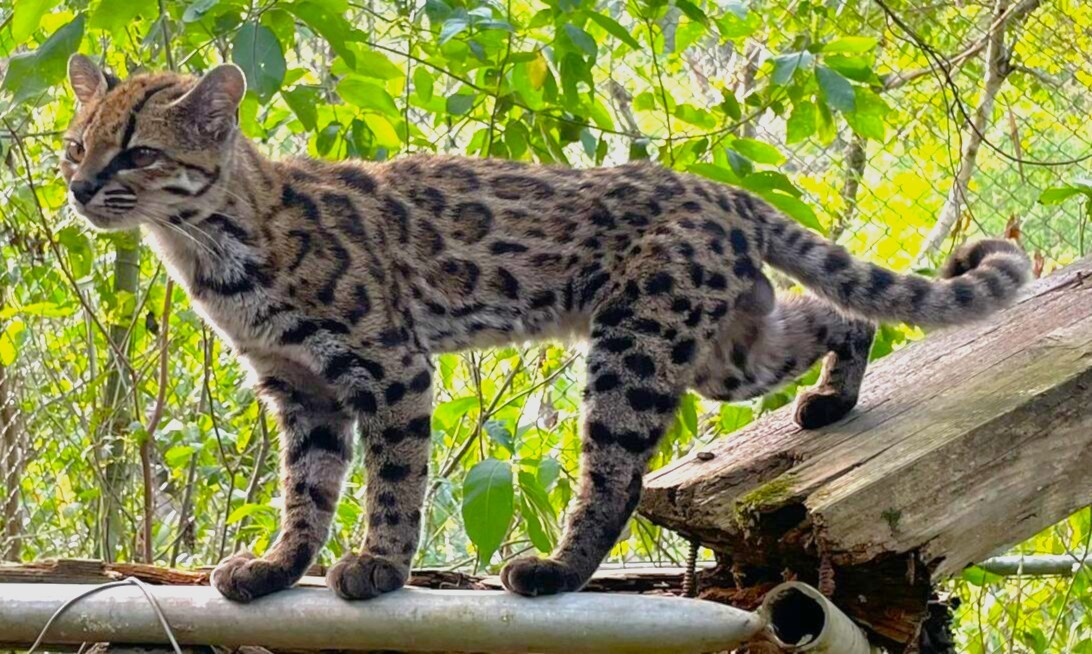
Leopardus tilcayo photographed by study co-author Paola Nogales-Ascarrunz. The formal description appears in Current Biology (DOI: 10.1016/j.cub.2026.08.059), with press coverage dated 17 to 18 September 2026. Photo: Paola Nogales Ascarrunz, via Wikimedia Commons (CC BY-SA 4.0). Source page: https://commons.wikimedia.org/wiki/File:Leopardus_tilcayo_(5x3_cropped).jpg
Sources
- Current Biology: Phylogenomics and museomics reveal five distinct species of tiger cats in South America (DOI: 10.1016/j.cub.2026.08.059)
- NBC News: New wild cat species is identified for first time in 100 years (Evan Bush, 17 Sep 2026)
- Live Science: Scientists name a new cat species for the first time in over a century (Olivia Ferrari, 17 Sep 2026)
- Al Jazeera / Reuters: New tiger cat species identified in Bolivia, first in over a century (18 Sep 2026)
- National Geographic Society newsroom: Photos Show New Species of Wild Cat Discovered in Bolivia (18 Sep 2026)
- environment
- conservation
- wildlife
- bolivia
- science
- biodiversity

.jpg)

.jpg)
.jpg)