From Six to More Than 200: New Zealand Returns a 'Living Fossil' Weevil to the Wild
New Zealand's Department of Conservation has released captive-bred Canterbury knobbled weevils, one of the country's rarest beetles and once thought extinct, into the Ōtūwharekai/Ashburton Lakes area in a trial, after a breeding effort that began with six insects produced more than 200.
Just News Desk, Correspondent||4 min read
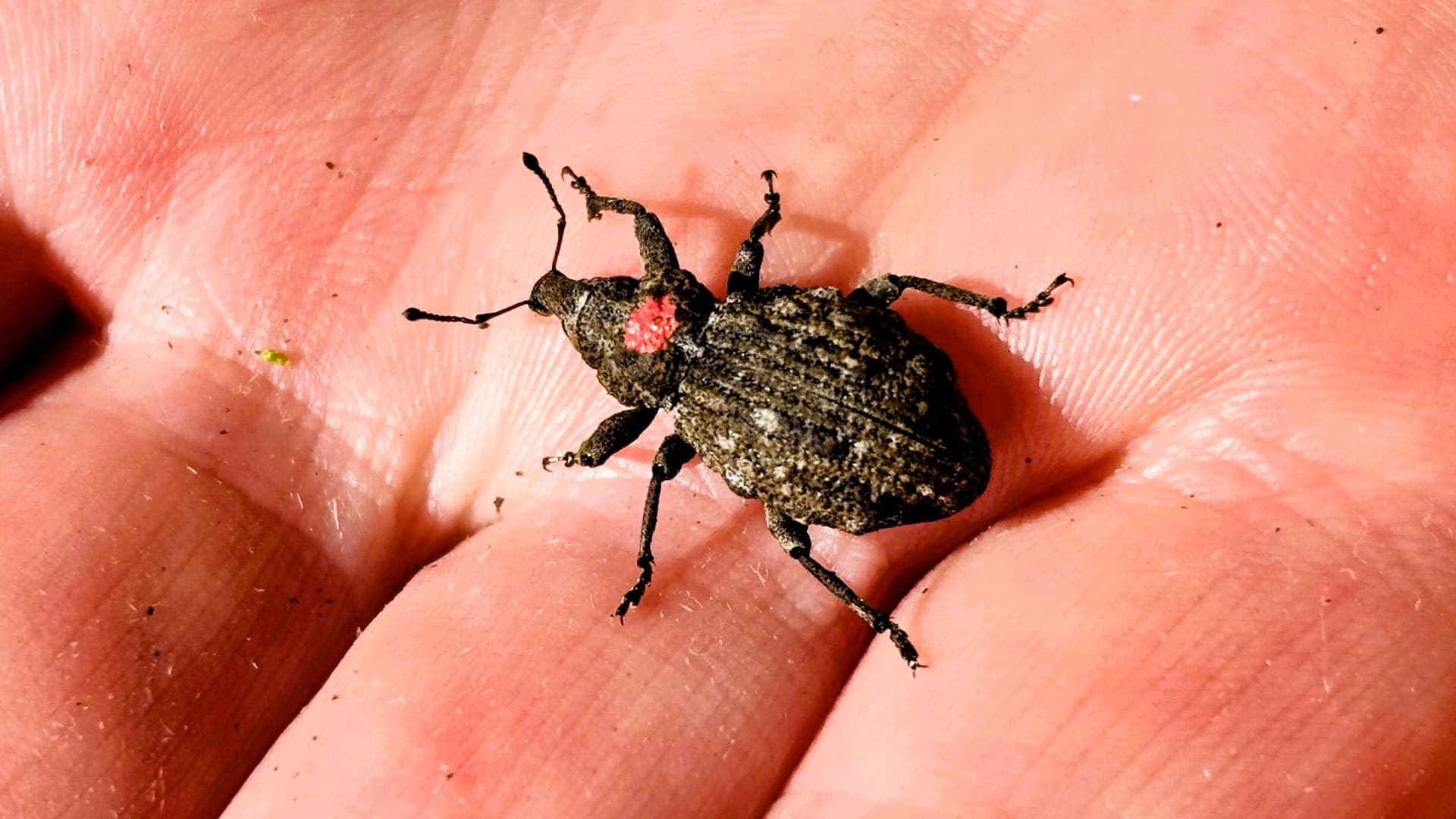
CANTERBURY, New Zealand - The Canterbury knobbled weevil, a beetle so old in its lineage that scientists call it a living fossil, was for years presumed gone. This week, New Zealand's Department of Conservation began putting it back. Staff released captive-bred weevils into the Ōtūwharekai/Ashburton Lakes area of Canterbury in a trial, the department said, after a breeding effort that started with six insects produced more than 200.
The species is one of New Zealand's rarest beetles, according to the department. Thought to be extinct, it was found again in 2004, when a small population turned up at Burkes Pass, near Takapō/Tekapo. Late in 2024, another small pocket was discovered in Mid-Canterbury, and department scientists, working with Te Rūnanga o Arowhenua, decided to attempt something that had not been done with the insect: to raise it in captivity.
"We started with just a few in a specialist lab, working with an amazing weevil specialist Barbara Barratt at the Bioeconomy Science Institute at Invermay," said Tara Murray, a senior science adviser at the department. "It was fairly experimental, feeding them all kinds of interesting things, including carrot chunks! They were easier to breed than we expected and quite hardy. We began with six and now we have more than 200."
The Press, the Christchurch newspaper, reported that the founders were four females and two males and that the colony had passed through three generations. About 215 weevils were set out in the release, Murray told RNZ, the public broadcaster; The Press put the figure at about 216. The exact site has not been disclosed.
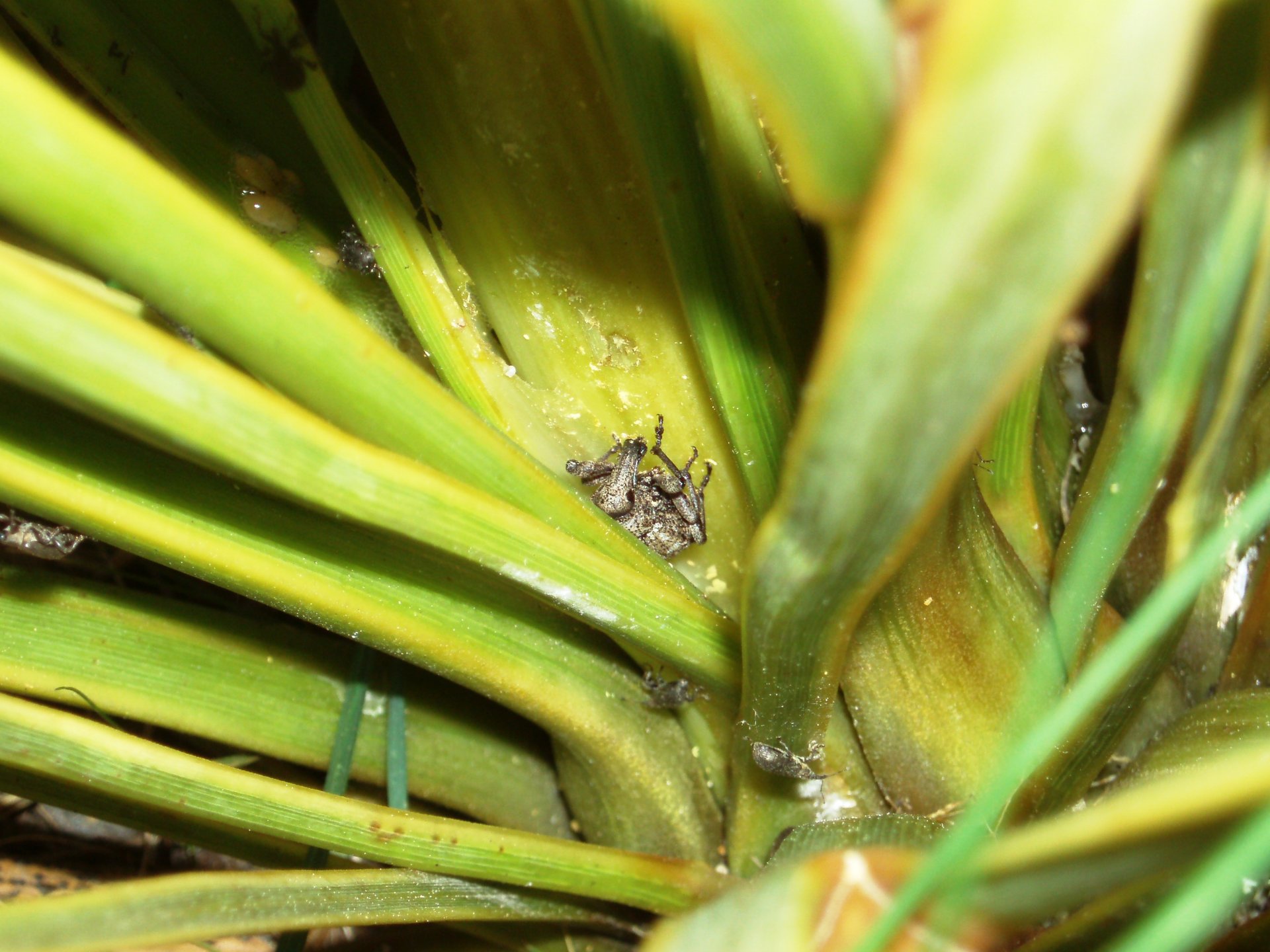
A Canterbury knobbled weevil (Hadramphus tuberculatus) on golden speargrass (Aciphylla aurea), the spiny plants the beetle depends on. Illustrative image from 2009, not from this week's release. Photo: Emily Fountain, via Wikimedia Commons (CC BY-SA 4.0). Source page: https://commons.wikimedia.org/wiki/File:Hadramphus_tuberculatus_on_Aciphylla_aurea_plant.jpg
The weevils were placed among Aciphylla, the spiky plants known as taramea or speargrass, which the department describes as a favorite of the species. The loss of those plants from the landscape is one of the reasons for the weevil's decline, it said, because the insects lose their habitat along with them.
The department called the effort a soft release. Protective covers were set over the plants so the weevils could settle in before facing the open landscape, and staff planned to monitor them and remove the covers in a week or so. "The release has gone really well, it's amazing seeing them scuttle down into the depths of the spear grass to find a new home," Murray said.
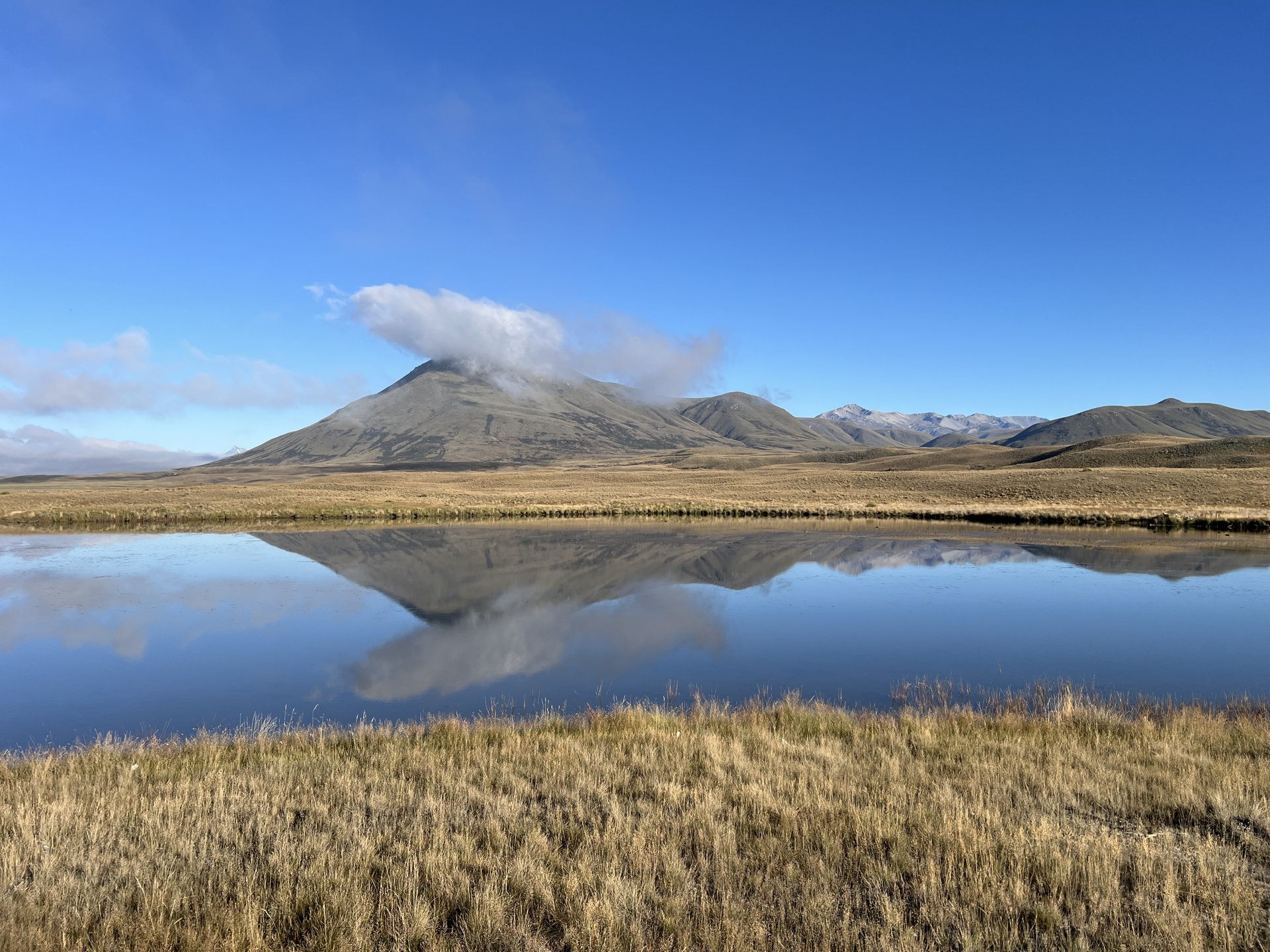
An unnamed lake beside Hakatere Potts Road in the Ashburton Lakes area of Canterbury, February 2025. Illustrative image of the wider district; the release site has not been disclosed. Photo: Mike Dickison, via Wikimedia Commons (CC BY 4.0). Source page: https://commons.wikimedia.org/wiki/File:Misc_Ashburton_Lakes_MRD_01.jpg
Murray cast the trial as a partnership with the iwi for whom the land carries particular weight. "The Ōtūwharekai/Ashburton Lakes is a special place in terms of conservation and is very significant to Te Rūnanga o Arowhenua," Murray said. "They are our partners in this project, and we are all invested in the survival of this species and the protection of the land around it."
The insect is not yet out of danger, and the department was careful to frame the release as a test. Depending on how the weevils fare, it said, plans will be drawn up with Te Rūnanga o Arowhenua to collect more wild weevils for a full-scale attempt at establishing new populations, so that the species is not confined to a few places where a fire or other natural hazard could wipe it out. Monitoring at Burkes Pass will continue, and any weevils detected there can be brought into the captive rearing facility in an effort to strengthen that small population.
For now, the measure of success is modest and specific: whether a few hundred beetles, raised partly on carrot, stay put in the speargrass once the covers come off.
Sources: New Zealand Department of Conservation, "DOC releases rare knobbled weevils in Canterbury," media release, 23 October 2026, https://www.doc.govt.nz/news/media-releases/2026-media-releases/doc-releases-rare-knobbled-weevils-in-canterbury/ ; RNZ, "Hundreds of critically endangered NZ weevils released back into the wild," 21 October 2026, https://www.rnz.co.nz/news/environment/2059882/hundreds-of-critically-endangered-nz-weevils-released-back-into-the-wild ; The Press, "'Stegosaurus of the bug world': Hundreds of rare Canterbury weevils bred as scientists fight extinction," Maia Taurua, 21 October 2026, https://www.thepress.co.nz/nz-news/361103533/stegosaurus-bug-world-hundreds-rare-canterbury-weevils-bred-scientists-fight-extinction
- environment
- conservation
- new-zealand
- oceania
- wildlife
- insects
- reintroduction