Chesapeake Harris Creek Oyster Reefs Still Self-Sustaining a Decade On, Study Finds
An Ecosphere study led by UMBC with Smithsonian and NOAA researchers finds Harris Creek’s restored oyster reefs keep high cover and support larger resident fish six to ten years after construction.
Just News Desk, Correspondent||3 min read
HARRIS CREEK, Maryland - Restored oyster reefs in this Eastern Shore tributary of the Chesapeake Bay remain structurally complex and support larger resident fish six to ten years after construction, according to a peer-reviewed study published in Ecosphere and highlighted by the University of Maryland, Baltimore County on 16 September 2026.
The paper, “Oyster reef habitat characteristics and nekton communities vary with restoration method in a large-scale project,” was led by Allison M. Tracy of UMBC’s Institute of Marine and Environmental Technology, with colleagues at the Smithsonian Environmental Research Center and the National Oceanic and Atmospheric Administration. Researchers surveyed roughly 1.4 square kilometers of Harris Creek sanctuary reefs, one of the world’s largest oyster restoration projects, combining underwater video with high-resolution imaging sonar.
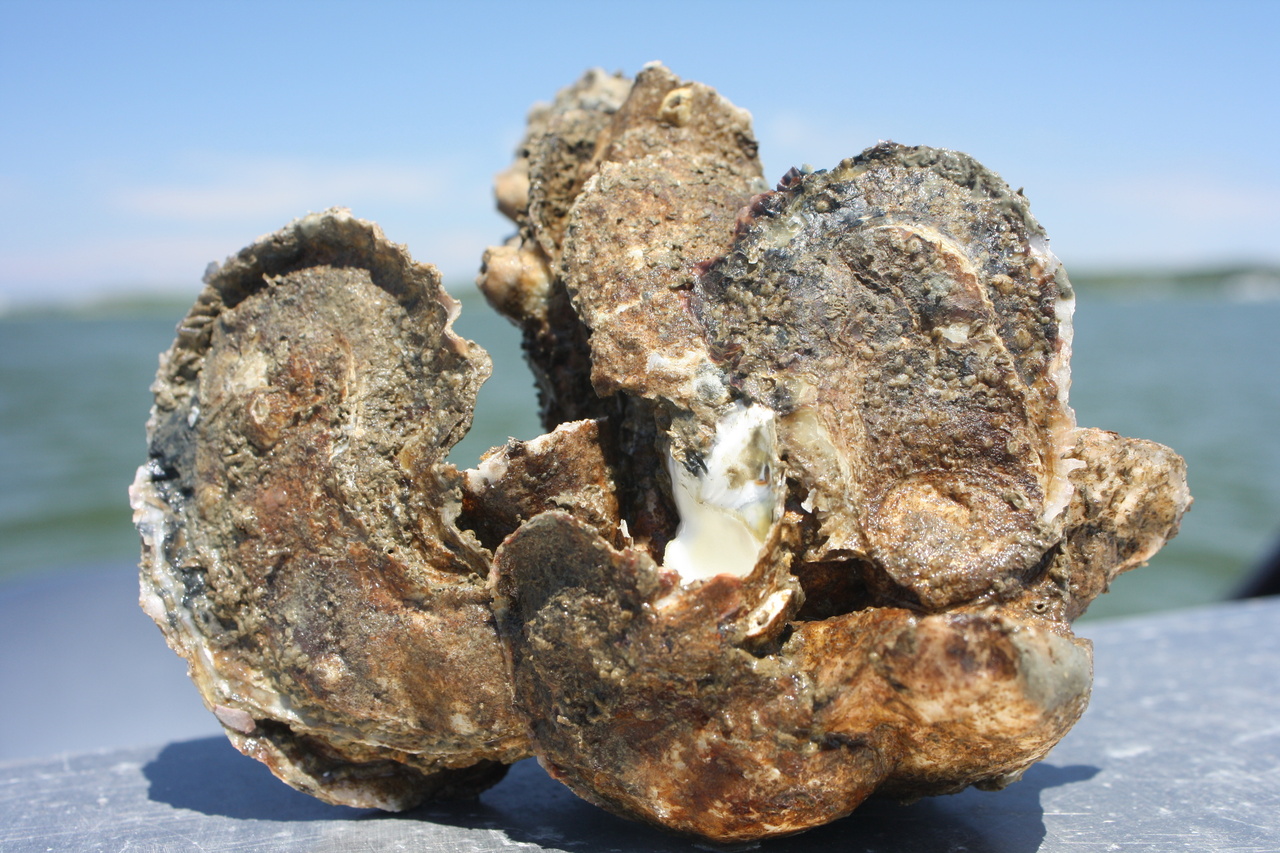
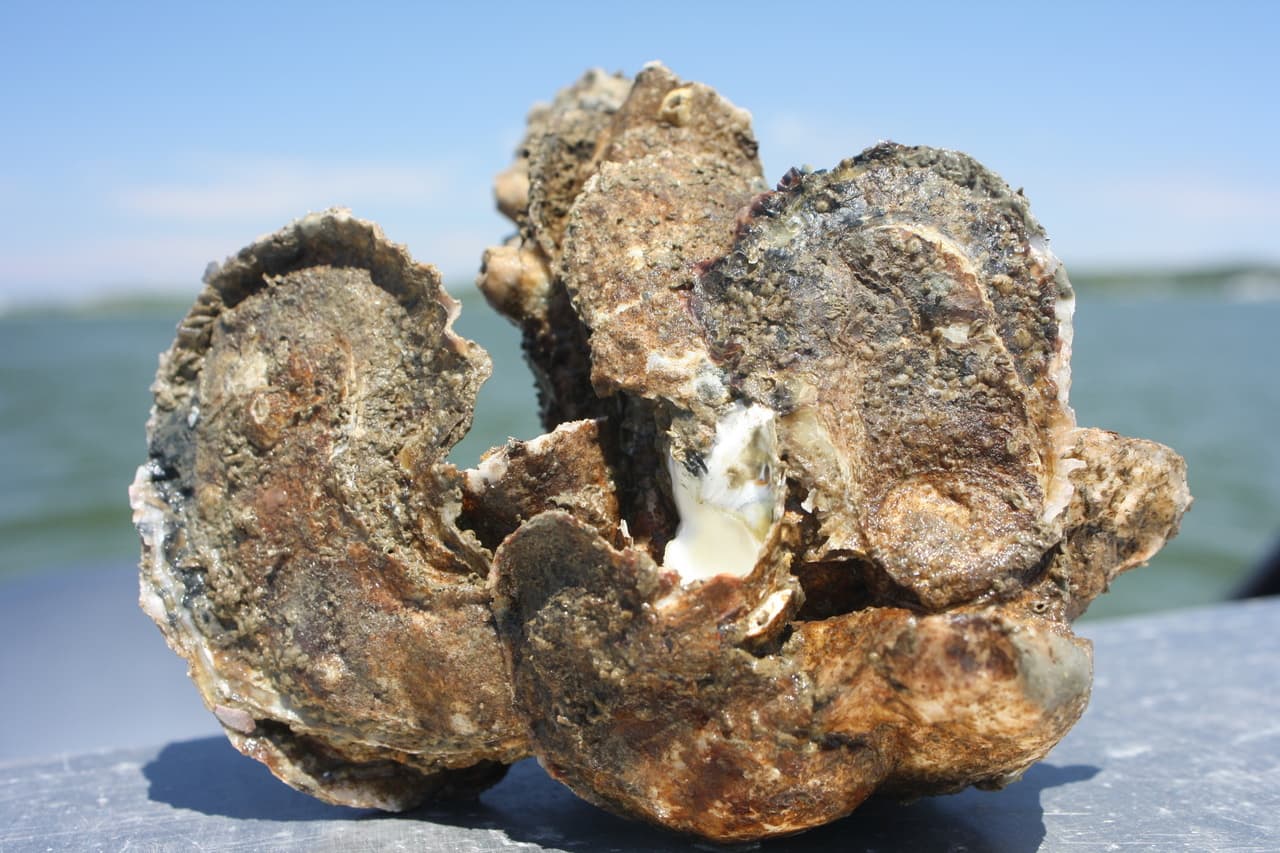
A clump of several healthy oysters from a restored reef in Harris Creek, Maryland. Credit: NOAA. Source page: https://www.fisheries.noaa.gov/feature-story/more-oysters-good-chesapeake-bay-good-people
“Large-scale oyster reef restoration in Chesapeake Bay has been a success,” Tracy said in UMBC’s account of the work, “and our study adds new and important metrics of success for one of the most high-profile sites in the project.”
Method mattered. Reefs built with a stone substrate plus juvenile oysters attached to adult shells, a technique known as spat-on-shell, scored highest for vertical relief and structural complexity. Those stone-plus-spat sites also held the greatest abundance of nekton longer than 30 centimeters. Restored reefs overall supported fewer total fish than unrestored or harvested areas but more large, bottom-oriented species, shifting communities away from small, transient schooling fish.
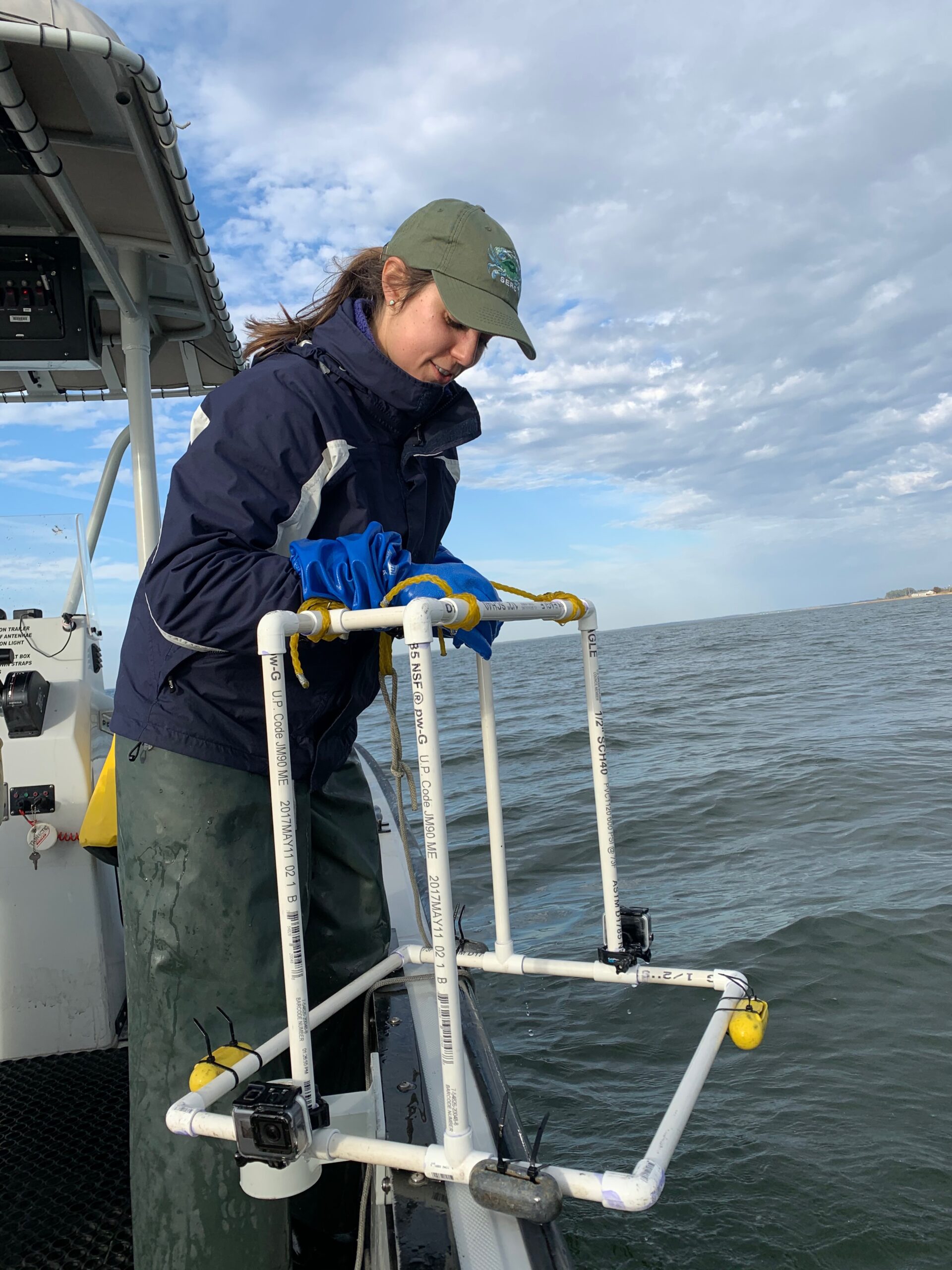
Allison Tracy lowers one of the underwater cameras into the Chesapeake Bay during fieldwork for the study. Photo: Courtesy of Matthew Ogburn / Smithsonian Environmental Research Center, published by UMBC. Source page: https://umbc.edu/stories/oyster-reef-restoration-success-in-murky-waters/
By surveying reefs at least seven years after restoration, the team assessed durability rather than short-term bounce-back. Harris Creek’s sanctuary reefs retained high oyster cover and complexity years later, evidence the authors describe as self-sustaining habitat. Chesapeake Bay oysters remain at about three percent of historic levels after overharvesting, disease, and other stressors, UMBC and NOAA partners note, which makes long-term monitoring especially consequential.
“Official monitoring of the large-scale restoration efforts only takes place three and six years after restoration, but studying these reefs in the long term is needed to ensure that they continue to support oyster populations and provide habitat for other animals,” said Matthew Ogburn, senior author and a senior scientist at the Smithsonian Environmental Research Center. “This study shows that underwater video can help fill this need.”
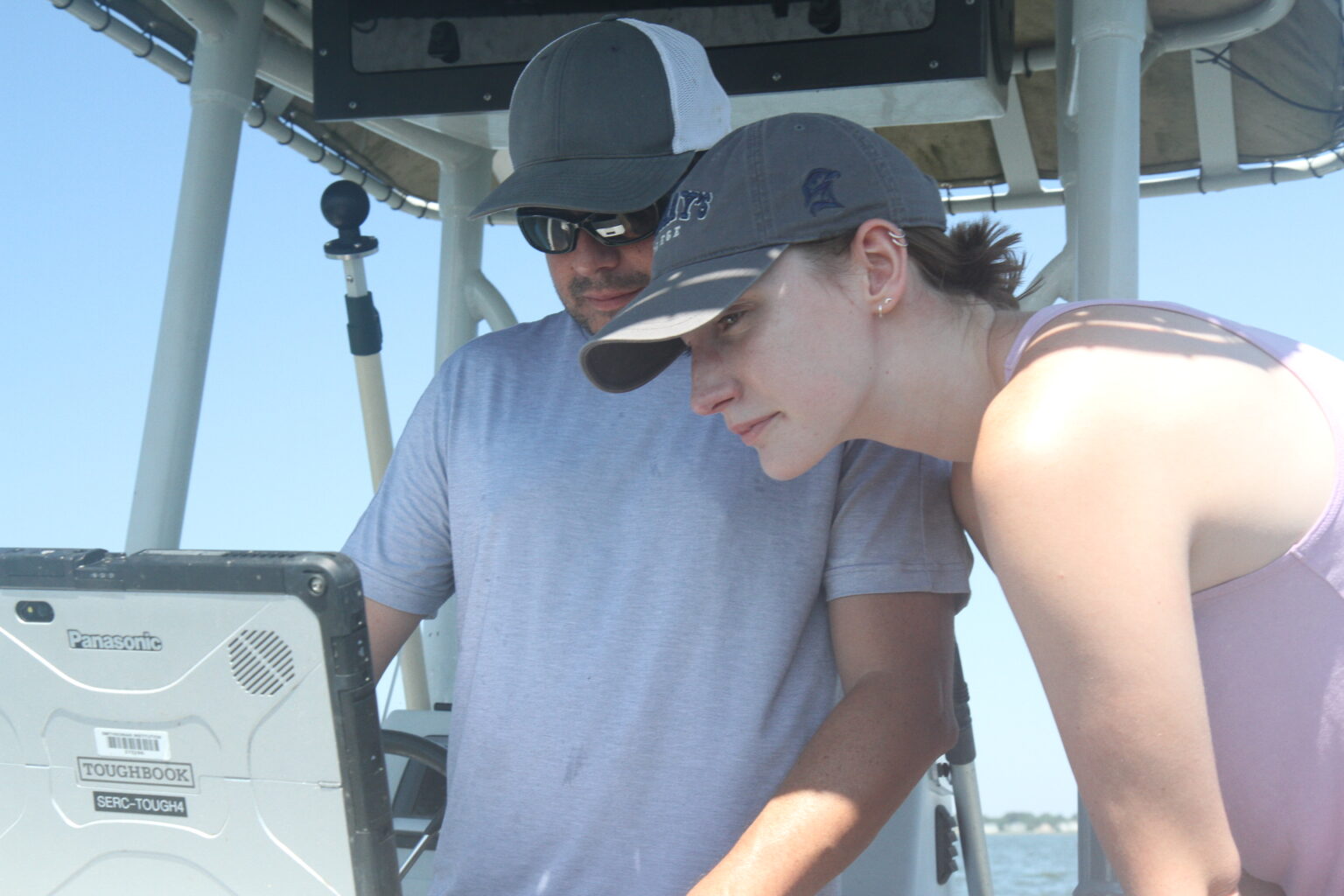
Smithsonian Environmental Research Center intern Liliana Bowman, a co-author, records sonar videos with SERC biologist Rob Aguilar. Photo: Courtesy of Matthew Ogburn / SERC, published by UMBC. Source page: https://umbc.edu/stories/oyster-reef-restoration-success-in-murky-waters/
NOAA and Chesapeake Bay Program partners have treated Harris Creek as a flagship sanctuary, restoring hundreds of acres of reef habitat. The Ecosphere findings, released with a DOI of 10.1002/ecs2.70750, reinforce that investing in structural complexity and protecting restored reefs from harvest can sustain valuable fish communities well beyond the first monitoring cycle.
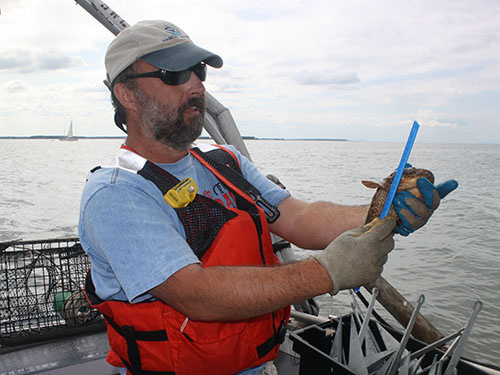
An oyster toadfish is measured before being returned to the Chesapeake Bay as part of NOAA research on fish use of restored oyster reefs. Credit: NOAA. Source page: https://www.fisheries.noaa.gov/feature-story/more-oysters-good-chesapeake-bay-good-people
- environment
- conservation
- oysters
- chesapeake-bay
- science
- biodiversity