
Egypt Becomes the First Country to Keep WHO's Gold Tier on the Road to Ending Hepatitis C
On 14 October 2026 the World Health Organization validated that Egypt has maintained its Gold Tier status on the path to hepatitis C elimination, the first country to win that recognition, after a review of 2023 to 2025 showed the gains of a nationwide screening and treatment drive had held.
Just News Desk, Correspondent||3 min read
CAIRO - Egypt has become the first country in the world to have the World Health Organization formally confirm that it has held on to its Gold Tier status on the path to eliminating hepatitis C, the agency's Eastern Mediterranean office announced on 14 October. The validation, which followed a review of the years 2023 to 2025, finds that a country where hepatitis C prevalence once stood at around 10 percent has kept its gains long after its mass testing campaign wound down.
Egypt first reached the Gold Tier in 2023, becoming the first country to do so under WHO's validation criteria, after prevalence fell from around 10 percent to less than 0.38 percent in just over a decade, according to WHO. The new finding, endorsed in July 2026 by the WHO Regional Validation Committee on HIV, Hepatitis and Sexually Transmitted Infections, is a test of something harder to achieve than a single milestone: durability.
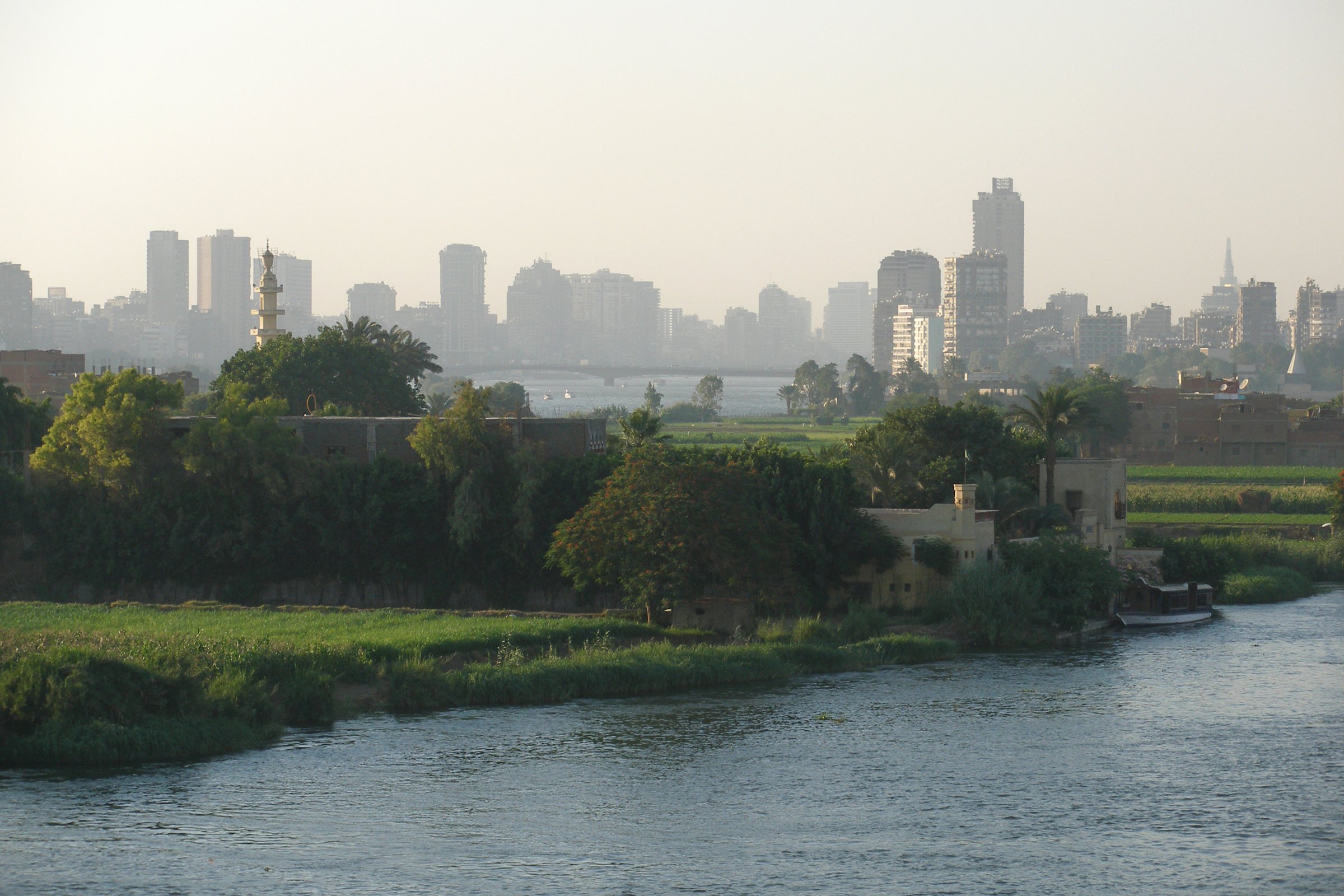
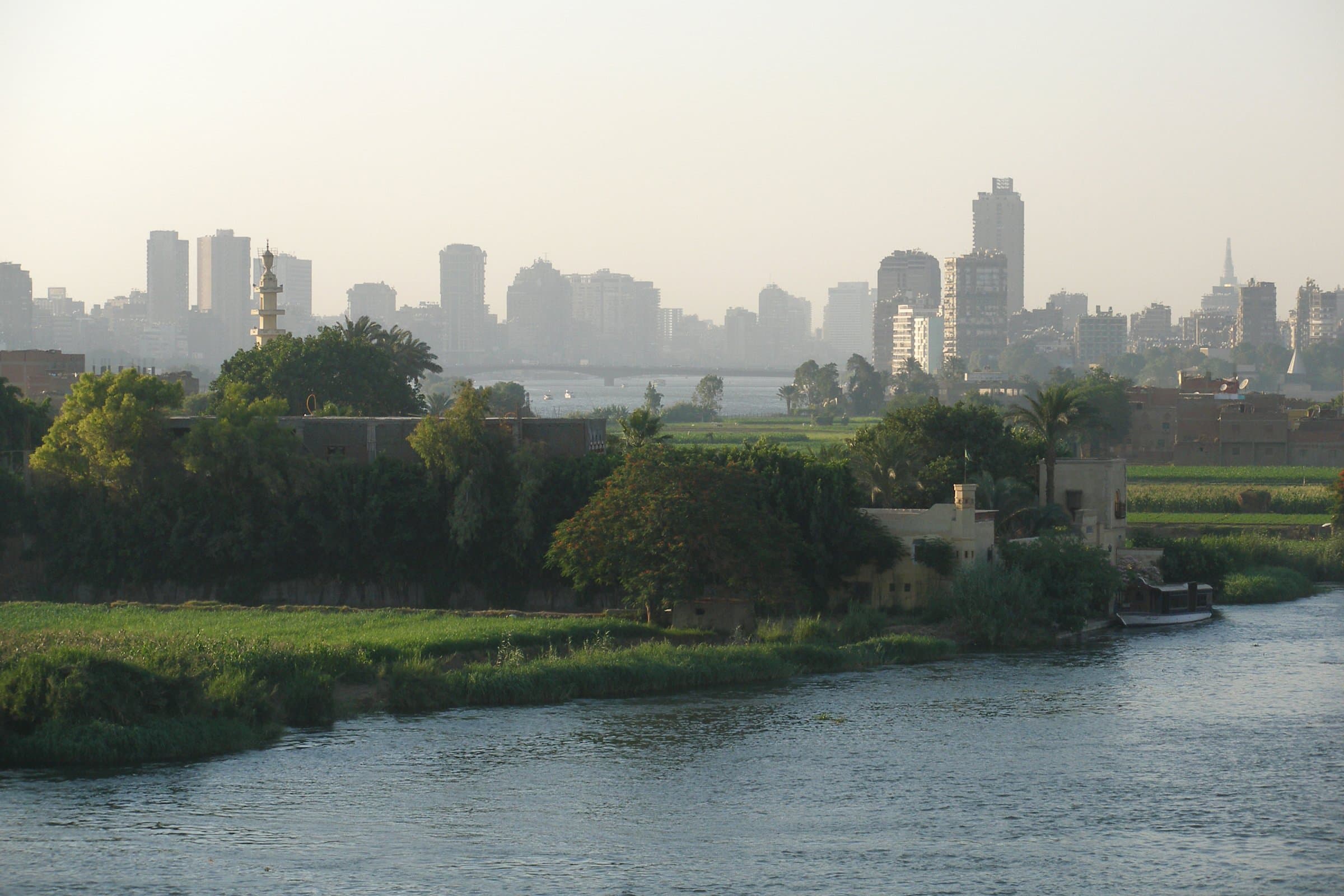
The Cairo skyline above the Nile River, photographed 17 June 2007. Photo: Vyacheslav Argenberg, via Wikimedia Commons (CC BY 4.0). Source page: https://commons.wikimedia.org/wiki/File:Cairo_skyline,_Nile_River,_Egypt.jpg
The foundation was the national "100 Million Seha" (healthy lives) campaign, which WHO says screened more than 60 million people and treated more than 4.5 million with hepatitis C, using direct-acting antiviral medicines produced inside Egypt. WHO described the campaign as a demonstration of political commitment at the highest level and of a whole-of-government approach to nationwide screening and accessible treatment.
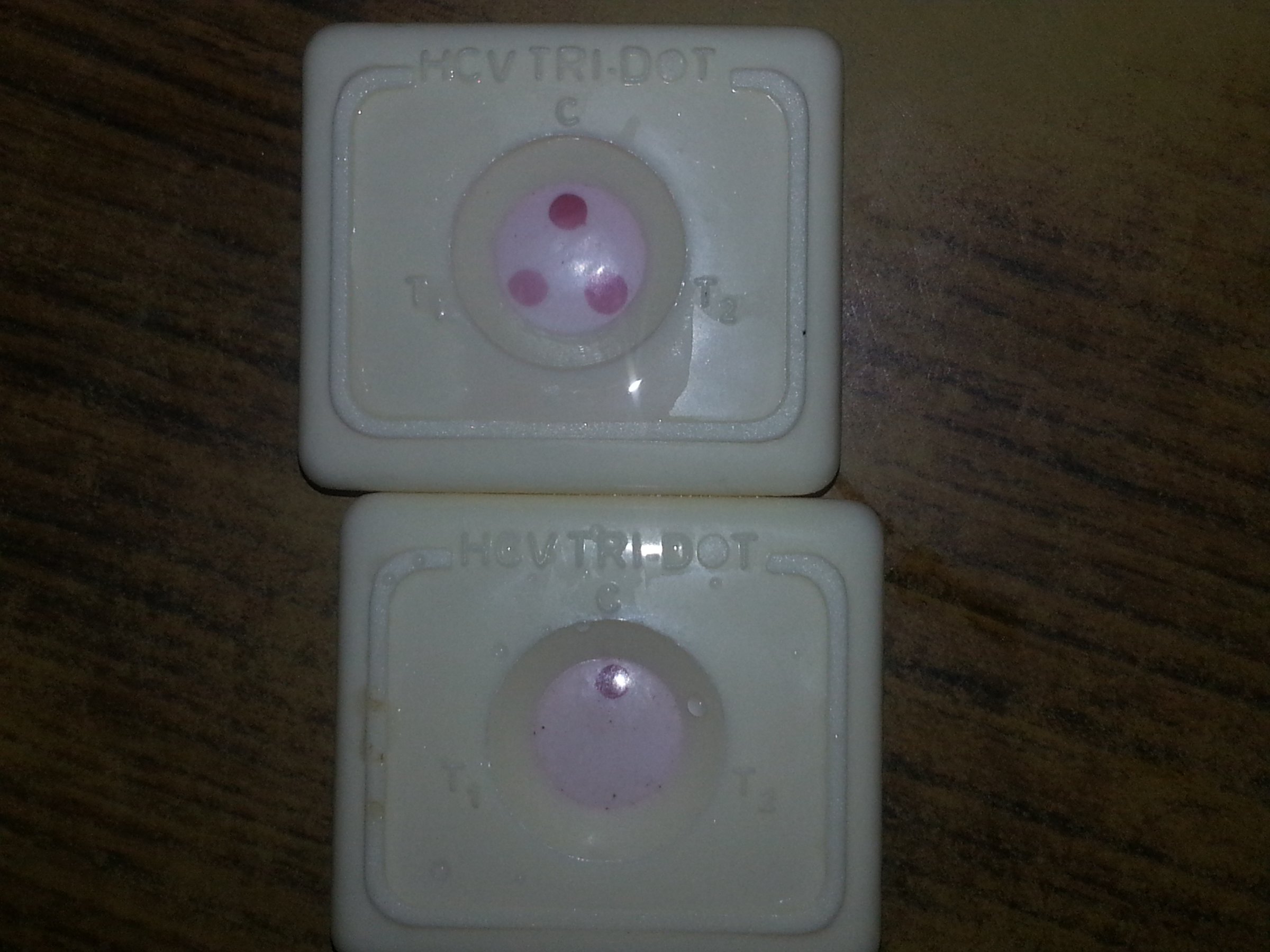
A rapid HCV TRI-DOT antibody test showing positive and negative results, photographed 29 June 2017. The image illustrates the kind of rapid screening used in hepatitis C programs; it was not taken in Egypt. Photo: Ajay Kumar Chaurasiya, via Wikimedia Commons (CC BY-SA 4.0). Source page: https://commons.wikimedia.org/wiki/File:HCV_TRI-DOT_Test-Positive_and_Negative_results.jpg
During the maintenance period, WHO says, Egypt shifted from large, campaign-style screening to an approach built into the routine health system, strengthening case finding, diagnosis, treatment, surveillance and prevention. The agency pointed to continued expansion of testing and treatment, a 2025-2030 National Sustainability Plan for Viral Hepatitis, the integration of hepatitis services into primary health care and universal health insurance, stronger laboratory quality systems and surveillance, and sustained high safety standards for blood and injections.
Sustaining the status, WHO said, reflects the commitment of Egypt's Ministry of Health and Population to keeping prevention, testing, treatment and follow-up services in place, and to building the surveillance needed to prevent a resurgence of the disease.
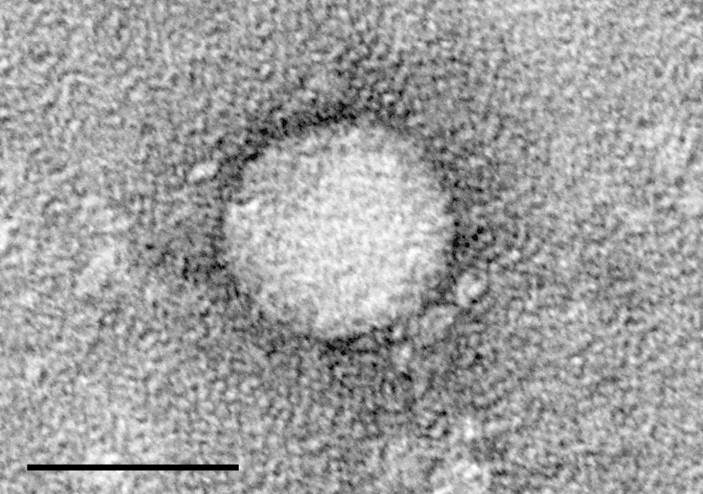
Electron micrographs of hepatitis C virus particles purified from cell culture; the scale bar is 50 nanometers. Images by Maria Teresa Catanese, Martina Kopp, Kunihiro Uryu and Charles Rice, courtesy of the Center for the Study of Hepatitis C, The Rockefeller University; derivative work by TimVickers. Via Wikimedia Commons (marked public domain). Source page: https://commons.wikimedia.org/wiki/File:HCV_EM_picture_2.png
"Countless lives have been impacted by Egypt's sustained action against hepatitis," the WHO statement said, "with millions of people protected from infection, families protected from the loss of loved ones and an entire generation given the opportunity to lead healthier lives." WHO said it had worked with Egypt throughout its response, providing technical guidance and helping translate global evidence and guidelines into practice.

Cairo at sunrise, photographed 12 September 2012. Photo: Jorge Láscar from Melbourne, Australia, via Wikimedia Commons (CC BY 2.0). Source page: https://commons.wikimedia.org/wiki/File:Cairo_skyline_at_sunrise_(14794897072).jpg
The primary account is the WHO Regional Office for the Eastern Mediterranean news release of 14 October 2026, "Egypt is the first country globally to maintain Gold Tier status on the path to hepatitis C elimination" (https://www.emro.who.int/media/news/egypt-is-the-first-country-globally-to-maintain-gold-tier-status-on-the-path-to-hepatitis-c-elimination.html). All figures and the quoted passage are taken from that release. The images above are Wikimedia Commons files under the licenses stated and are captioned for what they show; none depicts the Egyptian program itself.
- health
- medicine
- hepatitis
- public-health
- egypt
- who




.jpg)