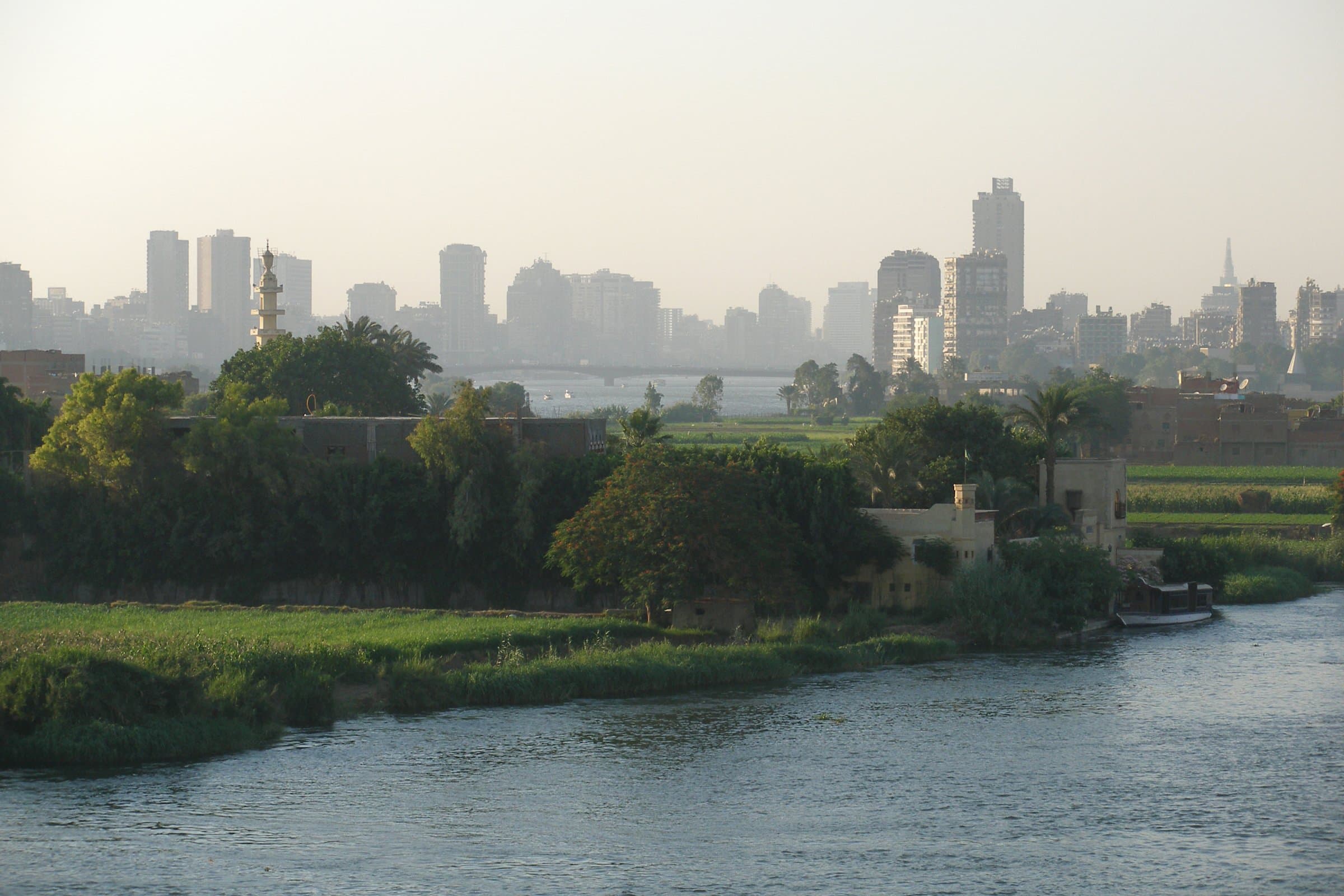
Albania and Armenia Are Validated by WHO Europe for Reaching Hepatitis B Control Targets
On 12 October 2026 the World Health Organization's Regional Office for Europe said Albania and Armenia had reached regional hepatitis B control targets, after ETAGE validation and serosurveys that found no children aged 6 to 8 positive for HBsAg.
Just News Desk, Correspondent||4 min read

COPENHAGEN - Albania and Armenia have reached the hepatitis B control targets set out in the Regional Action Plans for Ending AIDS and the Epidemics of Viral Hepatitis and Sexually Transmitted Infections for 2022 to 2030, the World Health Organization's Regional Office for Europe announced on 12 October. The milestone was validated by the European Technical Advisory Group of Experts on Immunization, known as ETAGE, after an assessment of country reports and recommendations from the ETAGE Working Group on Hepatitis B at its sixth meeting on 10 April 2026.
Country serosurveys showed that more than 20 years of sustained hepatitis B vaccination has driven infection down among children aged 6 to 8. No children in those surveys tested positive for the hepatitis B virus surface antigen, corresponding to an estimated prevalence of 0 percent, according to WHO/Europe.

Mount Ararat rising behind the Yerevan skyline. On 6 October 2026 the WHO Country Office in Armenia handed a certificate of validation of hepatitis B control targets to Health Minister Anahit Avanesyan. Photo: Serouj Ourishian (Սէրուժ Ուրիշեան), via Wikimedia Commons (CC BY-SA 3.0). Source page: https://commons.wikimedia.org/wiki/File:Mount_Ararat_and_the_Yerevan_skyline.jpg
Hepatitis B can cause lifelong infection and serious complications, including cirrhosis and liver cancer. Preventing infection early in life is therefore critical, WHO said. Through high vaccination coverage and measures to prevent transmission from mother to child, including timely birth-dose vaccination, Albania and Armenia are protecting children from the long-term consequences of the virus.

The Skanderbeg Monument on Skanderbeg Square in Tirana, Albania, photographed 17 April 2014. Albania was validated alongside Armenia for reaching the regional hepatitis B control targets. Photo: Diego Delso, via Wikimedia Commons (CC BY-SA 3.0). Source page: https://commons.wikimedia.org/wiki/File:Monumento_a_Skanderbeg,_Tirana,_Albania,_2014-04-17,_DD_03.JPG
On 6 October 2026, the WHO Country Office in Armenia held a ceremony to mark the handover of the certificate of validation to Anahit Avanesyan, Minister of Health of the Republic of Armenia. Albania and Armenia join Belarus, Georgia, Italy, Kyrgyzstan, the Kingdom of the Netherlands, the Republic of Moldova, Turkmenistan, the United Kingdom of Great Britain and Northern Ireland, and Uzbekistan, which had previously been validated as reaching the hepatitis B control targets in 2021 to 2023.
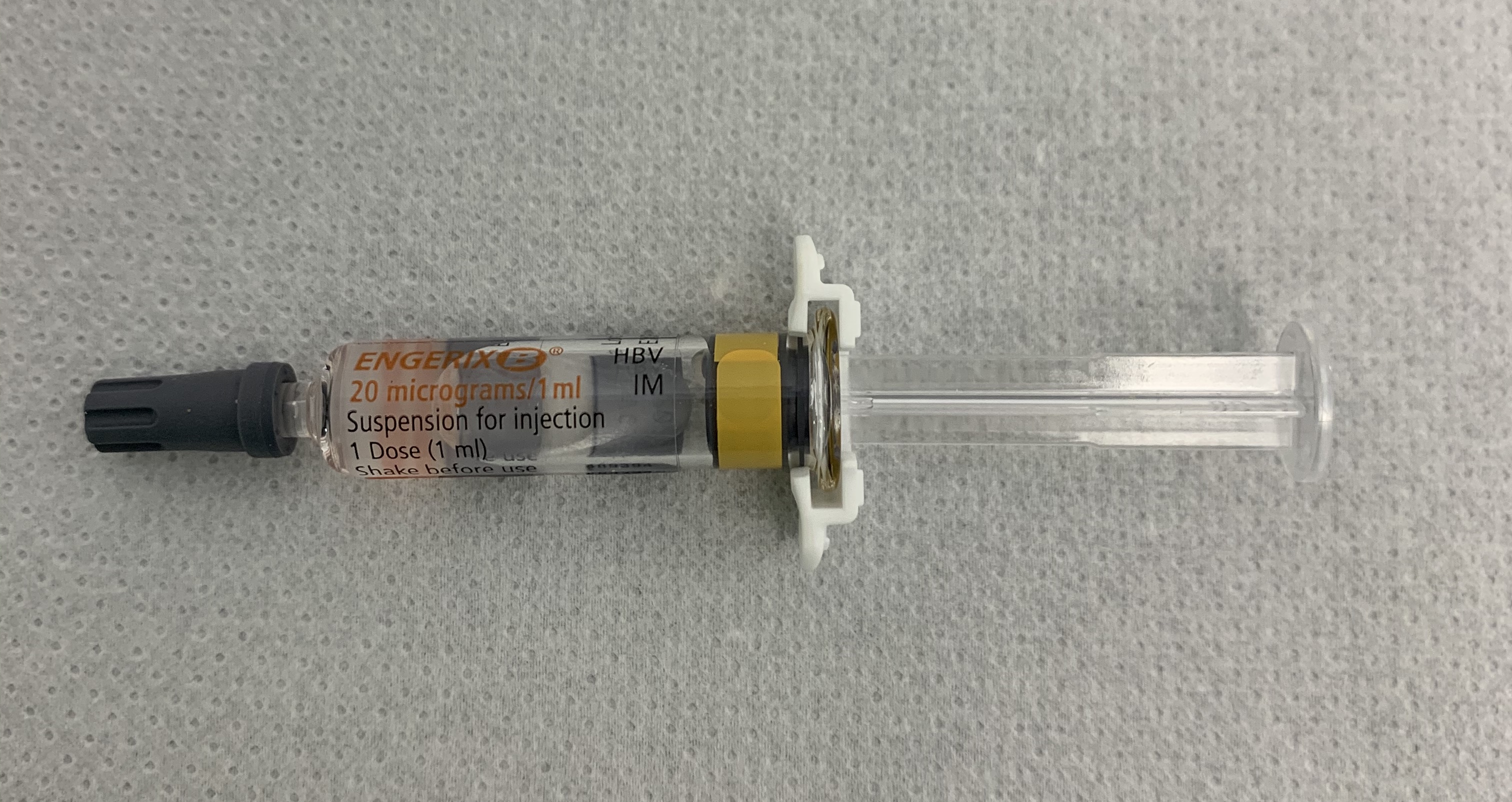
Engerix-B hepatitis B vaccine packaging and vials. The image illustrates a licensed hepatitis B vaccine used in immunization programs; it was not photographed in Albania or Armenia. Photo: Whispyhistory, via Wikimedia Commons (CC BY-SA 4.0). Source page: https://commons.wikimedia.org/wiki/File:Engerix_B_(Hepatitis_B)_vaccine.jpg
WHO applauded the commitment of immunization programmes across the Region to protect populations born after the introduction of universal hepatitis B vaccination. Countries use different strategies for vaccination and for the prevention of perinatal transmission, based on national context, and are supported by WHO/Europe in validating the achievement of the control targets. Each country that reaches those targets, the agency said, represents progress not only in preventing hepatitis B infections but also in reducing the number of people and families affected by liver disease and liver cancer.
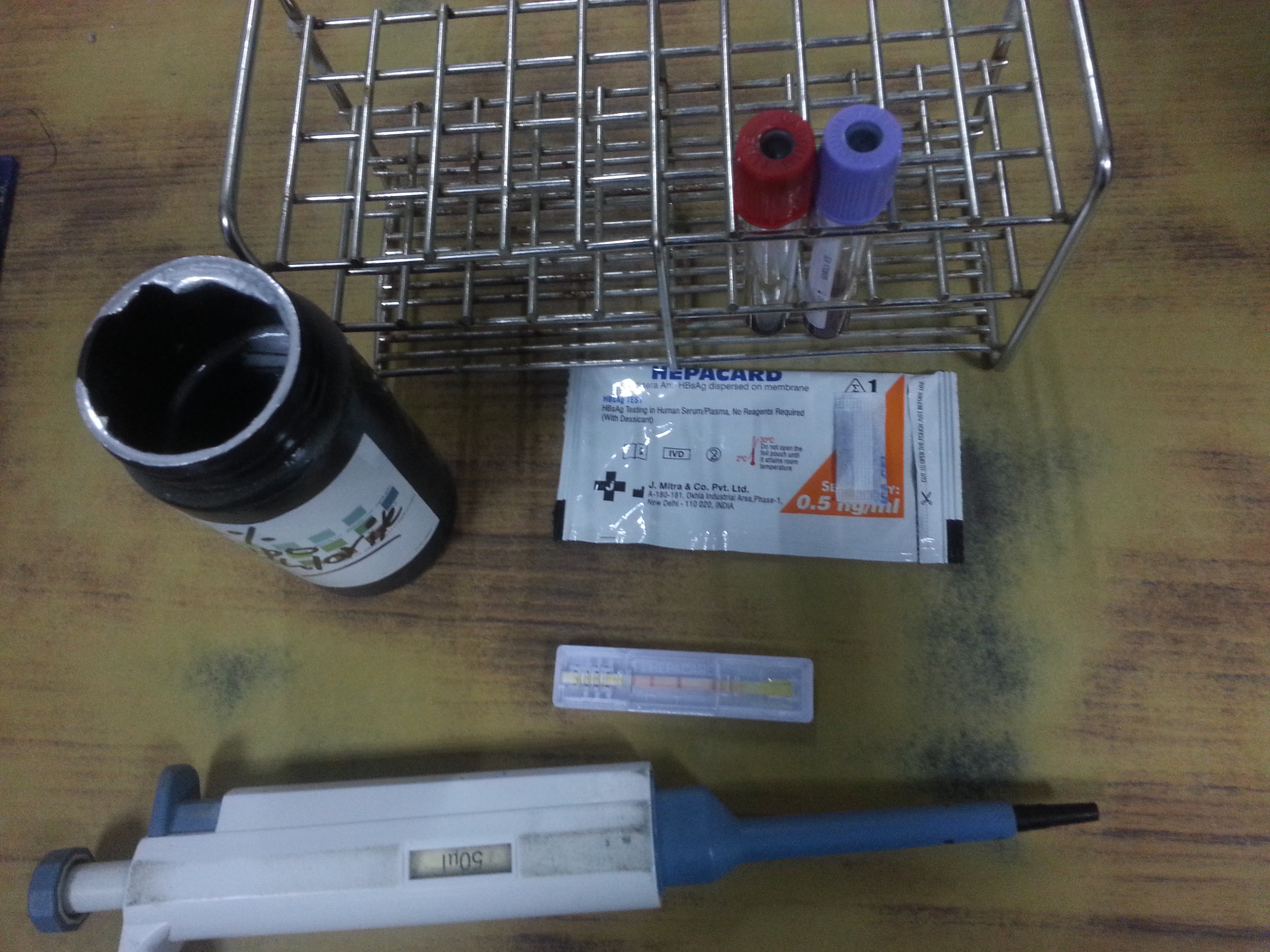
A rapid hepatitis B surface antigen (HBsAg) test device showing a positive result, photographed for educational use. Country serosurveys in Albania and Armenia found no children aged 6 to 8 positive for HBsAg; this laboratory photo was not taken in those programmes. Photo: Ajay Kumar Chaurasiya, via Wikimedia Commons (CC BY-SA 4.0). Source page: https://commons.wikimedia.org/wiki/File:Rapid_HBsAg_Test-Positive.jpg
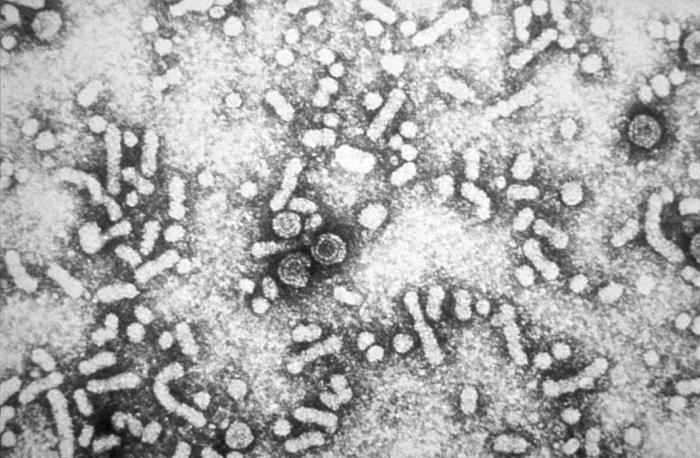
Transmission electron micrograph of hepatitis B virus particles. Image: Centers for Disease Control and Prevention, via Wikimedia Commons (public domain). Source page: https://commons.wikimedia.org/wiki/File:Hepatitis-B_virions.jpg
Together, these achievements bring the WHO European Region closer to the goal of eliminating viral hepatitis as a public health threat by 2030, the 12 October release said.
The primary account is the WHO Regional Office for Europe news release of 12 October 2026, "Albania and Armenia achieve hepatitis B control milestone, strengthening the WHO European Region's path to elimination" (https://www.who.int/europe/news/item/12-10-2026-albania-and-armenia-achieve-hepatitis-b-control-milestone--strengthening-the-who-european-region-s-path-to-elimination). All programme figures, the ETAGE validation date, the Armenia certificate ceremony details, and the list of previously validated countries are taken from that release. The images above are Wikimedia Commons files under the licenses stated and are captioned for what they show; none depicts the WHO ceremony or the Albanian or Armenian vaccination campaigns themselves.
- health
- medicine
- hepatitis
- vaccination
- public-health
- albania
- armenia
- who
- europe