
Indigenous Rangers Film Rare Daytime Sighting of Night Parrot Chick in Western Australia
Ngururrpa Rangers filmed a young night parrot in a spinifex tunnel in Western Australia's Great Sandy Desert, a rare daytime sighting of one of the world's most elusive birds, according to ABC News Science reporting on 24 September 2026.
Just News Desk, Correspondent||4 min read
GREAT SANDY DESERT, Australia - Indigenous rangers in Western Australia have filmed a young night parrot sheltering in a spinifex tunnel by day, a rare glimpse of one of the world's most cryptic birds and the first live sighting in the area for some of the people who protect its Country, according to ABC News Science reporter Peter de Kruijff.
The daytime footage, recorded during a July 2026 trip into the Ngururrpa Indigenous Protected Area in the Great Sandy Desert, shows a juvenile Pezoporus occidentalis tucked into old-growth bull spinifex. Night parrots usually stay hidden through daylight hours. The species was long thought extinct until a live population was rediscovered in Queensland in 2013. Ngururrpa holds one of the largest known populations, yet confirmed daytime views remain scarce.
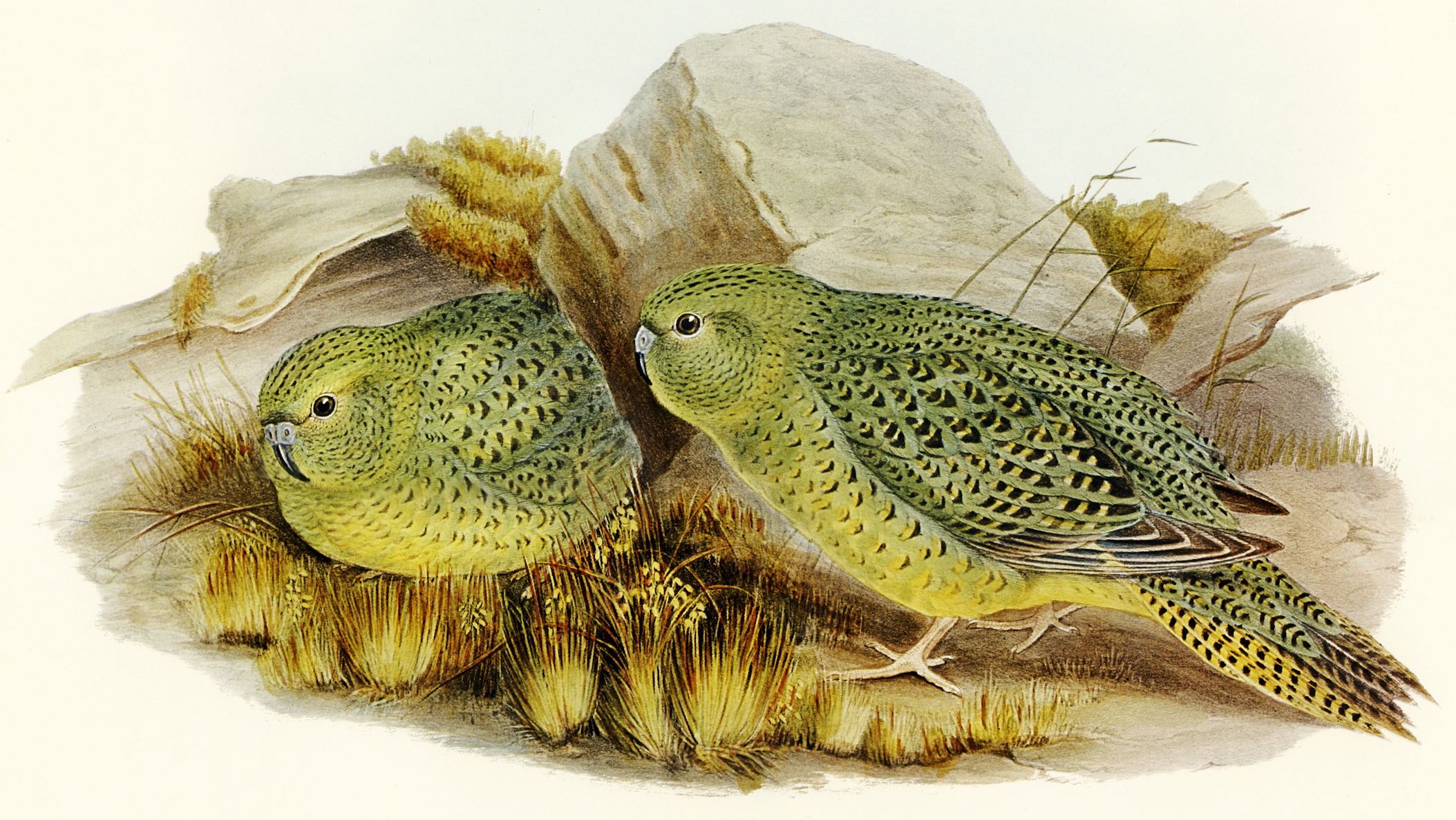
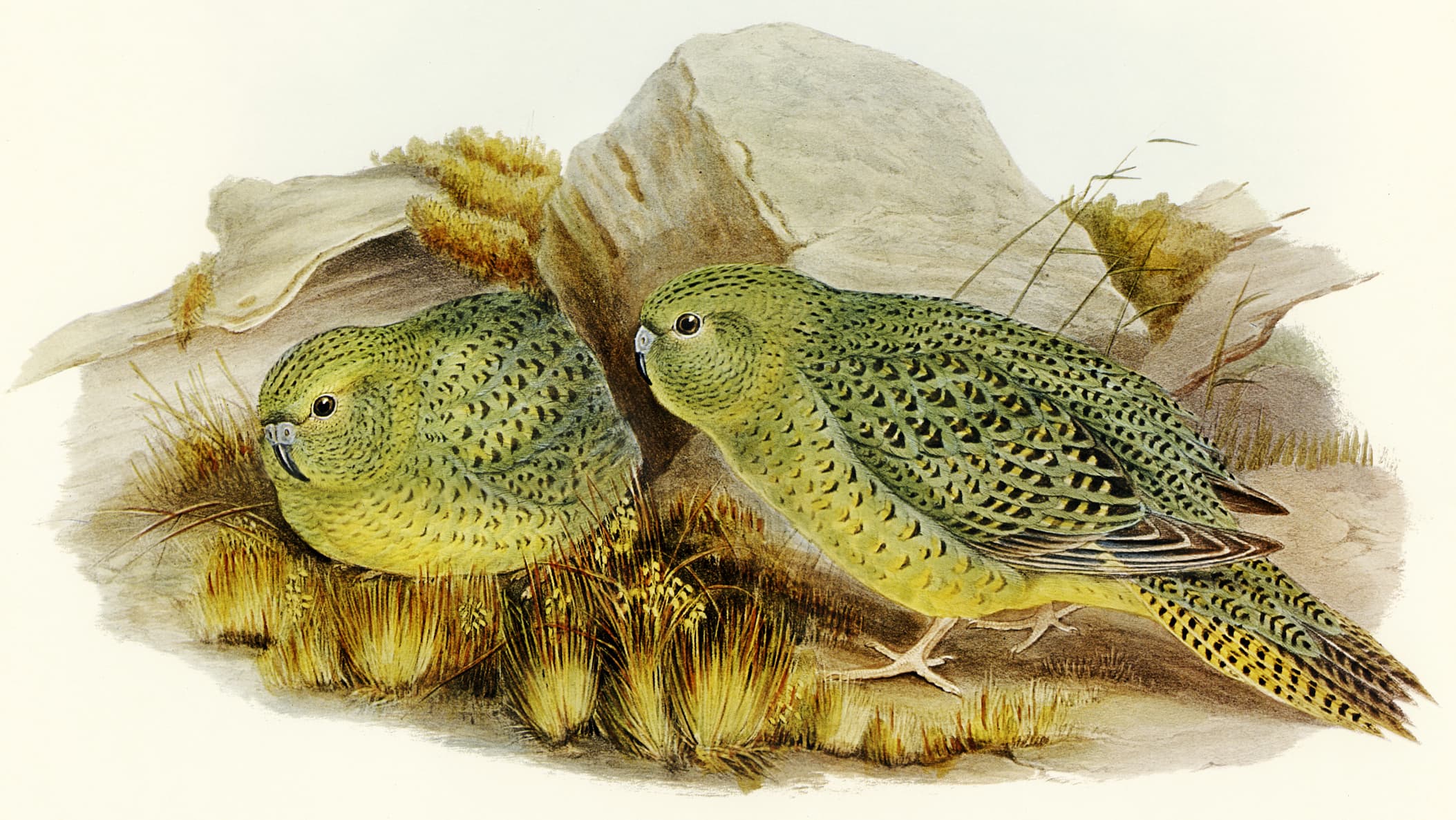
Night parrot (Pezoporus occidentalis), historically labeled the nocturnal ground-parakeet, illustrated by Elizabeth Gould for John Gould's Birds of Australia. Public-domain species plate for identification; not a photograph of the July 2026 Ngururrpa chick and not the bird filmed for ABC. Source page: https://commons.wikimedia.org/wiki/File:Pezoporus_occidentalis_Bird_illustration_by_Elizabeth_Gould_for_Birds_of_Australia,_digitally_enhanced_from_rawpixel%27s_own_facsimile_book666.jpg
Kathryn Njamme, a Ngururrpa Ranger, told ABC she had heard the bird's chime-like call and had seen camera-trap footage, an egg and loose green and yellow feathers, but never a living bird before. During the July trip she sought help at a spirit tree, asking the Old People to reveal the birds after rain. Heavy rain fell a few nights later. The next morning the team searched among old-growth mounds of bull spinifex (Triodia longiceps), known as "lanu lanu" in Kukatja.
Ranger Lucinda Gibson found a wet feather, then the burrow inside the grass. She whistled and used a flapping-bird hand signal to bring the others over. The juvenile's soft grey, wispy plumage blended into the spinifex; ABC reported it may have perched higher in the clump because the ground was damp. Christy Davies, Ngururrpa IPA coordinator, said the bird was quiet and close to the fledgling stage, when young birds sit still and rely on camouflage while parents forage.
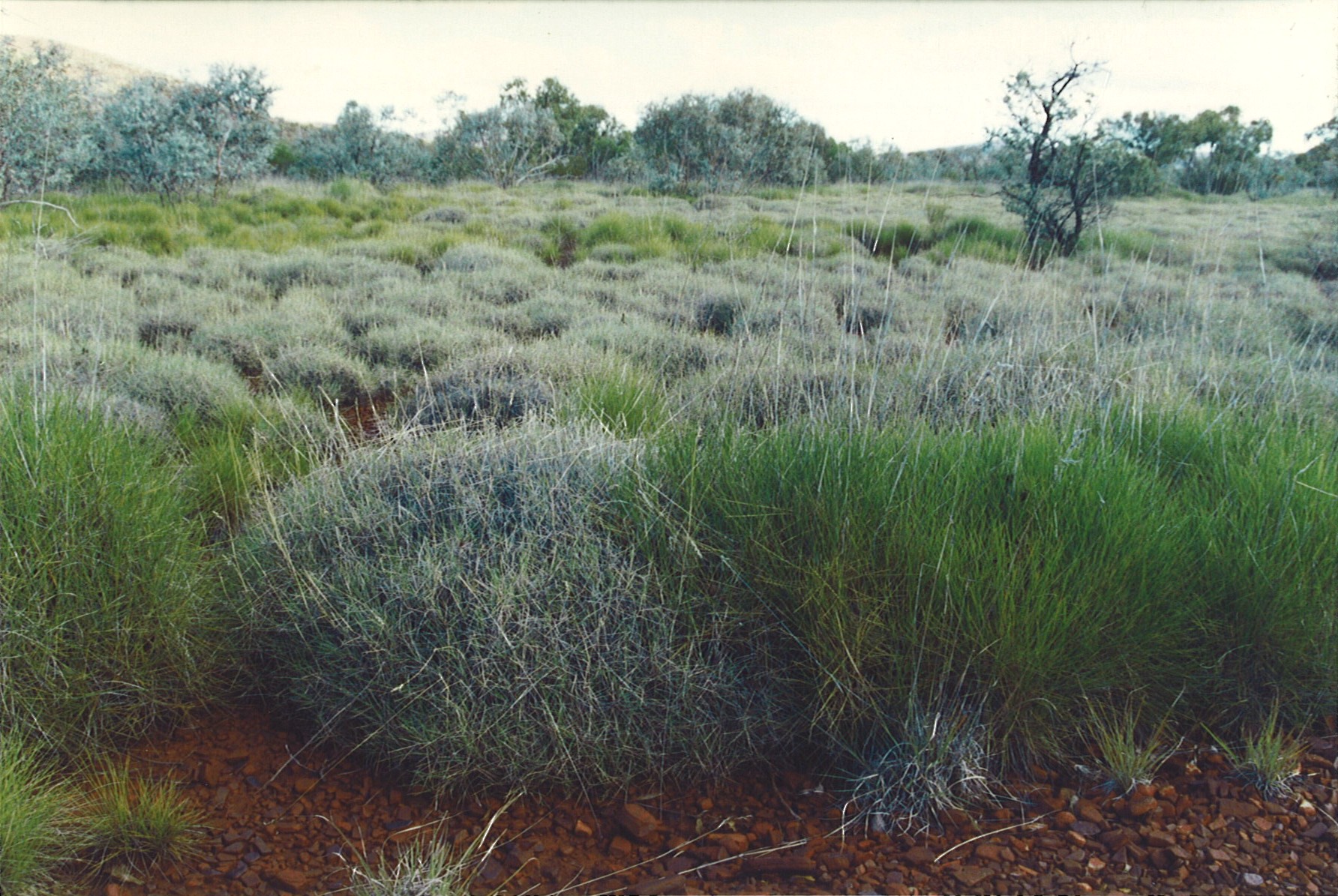
Triodia hummock grassland at Karijini National Park, Western Australia, showing soft and hard spinifex mounds of the kind night parrots use for daytime shelter elsewhere in arid WA. Illustrative habitat photograph; not Ngururrpa IPA and not the July 2026 tunnel. Photo: Hesperian, via Wikimedia Commons (CC BY-SA 3.0). Source page: https://commons.wikimedia.org/wiki/File:Triodia_hummock_grassland.jpg
"We was really happy and excited to find a night parrot. We all was crying there and holding each other," Njamme told ABC. She said she wanted people to know the bird exists on Country. The team's shout-whispers and joyful tears were captured on the video that accompanied the science report.
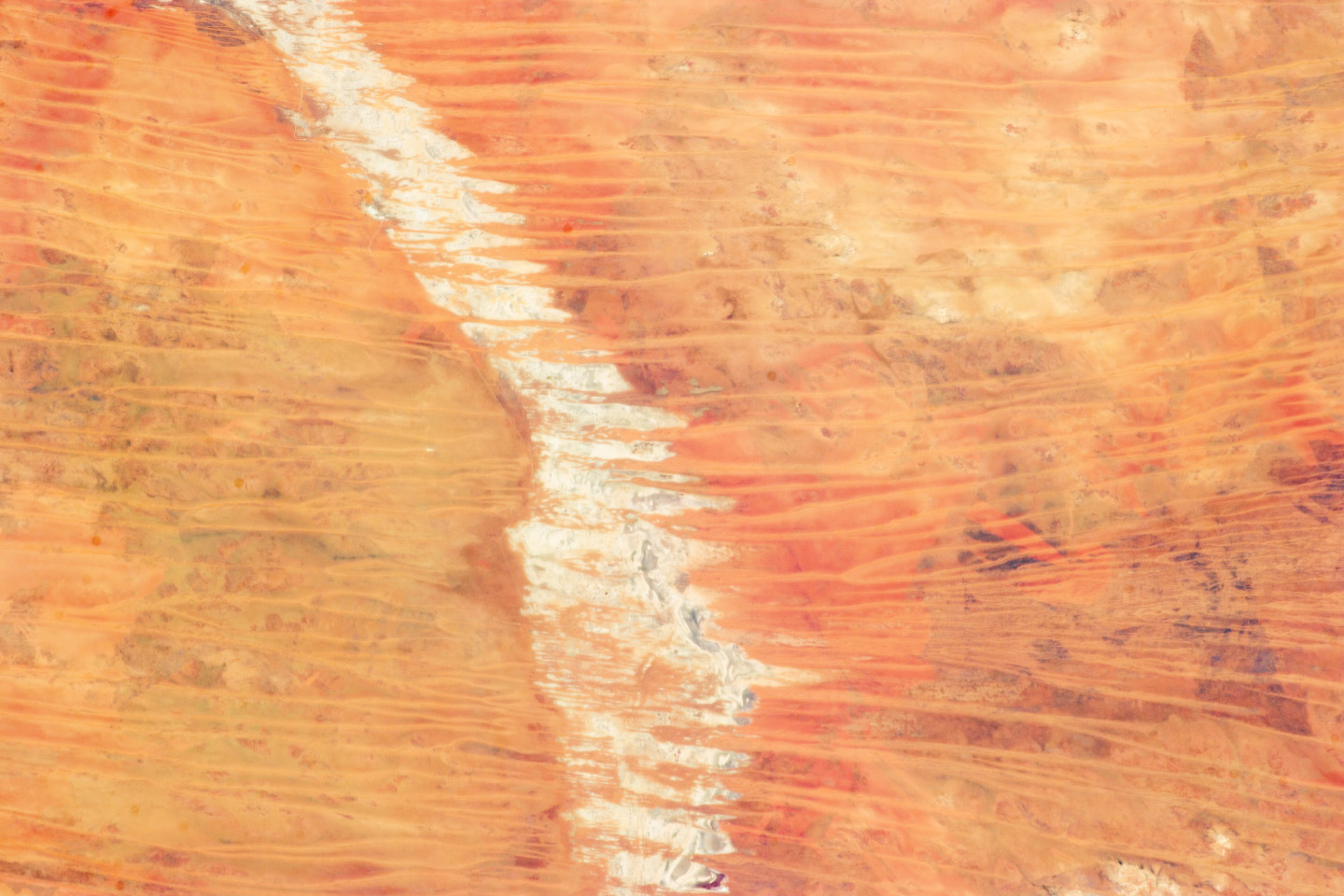
Linear sand dunes of the Great Sandy Desert, northwestern Australia, photographed from the International Space Station on 25 March 2013. Landscape context for the Ngururrpa IPA region; not a ground-level view of the spinifex tunnel. Photo: NASA / ISS Expedition 35 crew, public domain. Source page: https://commons.wikimedia.org/wiki/File:Great_Sandy_Desert,_Australia.jpg
The find built on years of ranger-led survey work. With the National Environmental Science Program and the Indigenous Desert Alliance, Ngururrpa Rangers developed a habitat model that blends ecological data with cultural knowledge of water, seed and lanu lanu. A 2024 University of Western Australia account of that program estimated up to about 50 night parrots on Ngururrpa Country, then described as the largest known population. Conservation threats remain feral cats and unmanaged fire. Tools now in development include artificial-intelligence call recognition for desert audio and environmental DNA sampling at waterholes, ABC reported.
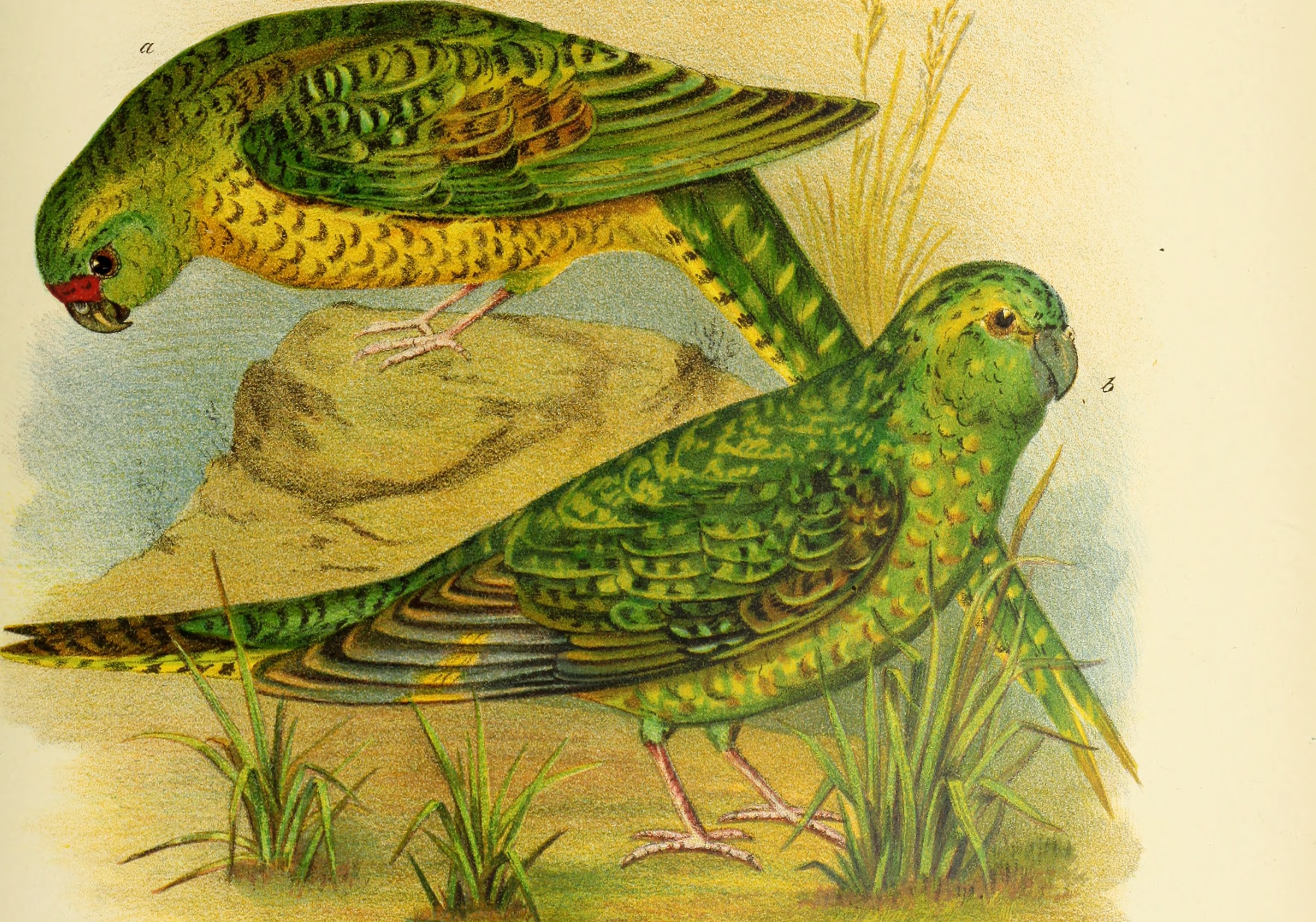
Gracius J. Broinowski plate from The Birds of Australia (1890): (a) ground parrot and (b) western ground parrakeet / night parrot (Geopsittacus occidentalis). Historical comparative illustration only; not modern field photography and not the filmed chick. No known copyright restrictions via Internet Archive Book Images / Flickr Commons. Source page: https://commons.wikimedia.org/wiki/File:The_birds_of_Australia_(1890)_(20196261990).jpg
"We don't see much night parrot, [but] we're trying to look after them," Njamme said. One still bird in a damp clump of lanu lanu does not rewrite the species' critically endangered status. It does mark, for rangers who had known the parrot mainly by call, feather and camera flash, a rare daytime affirmation that the bird is still there, on Country, where they continue to look.
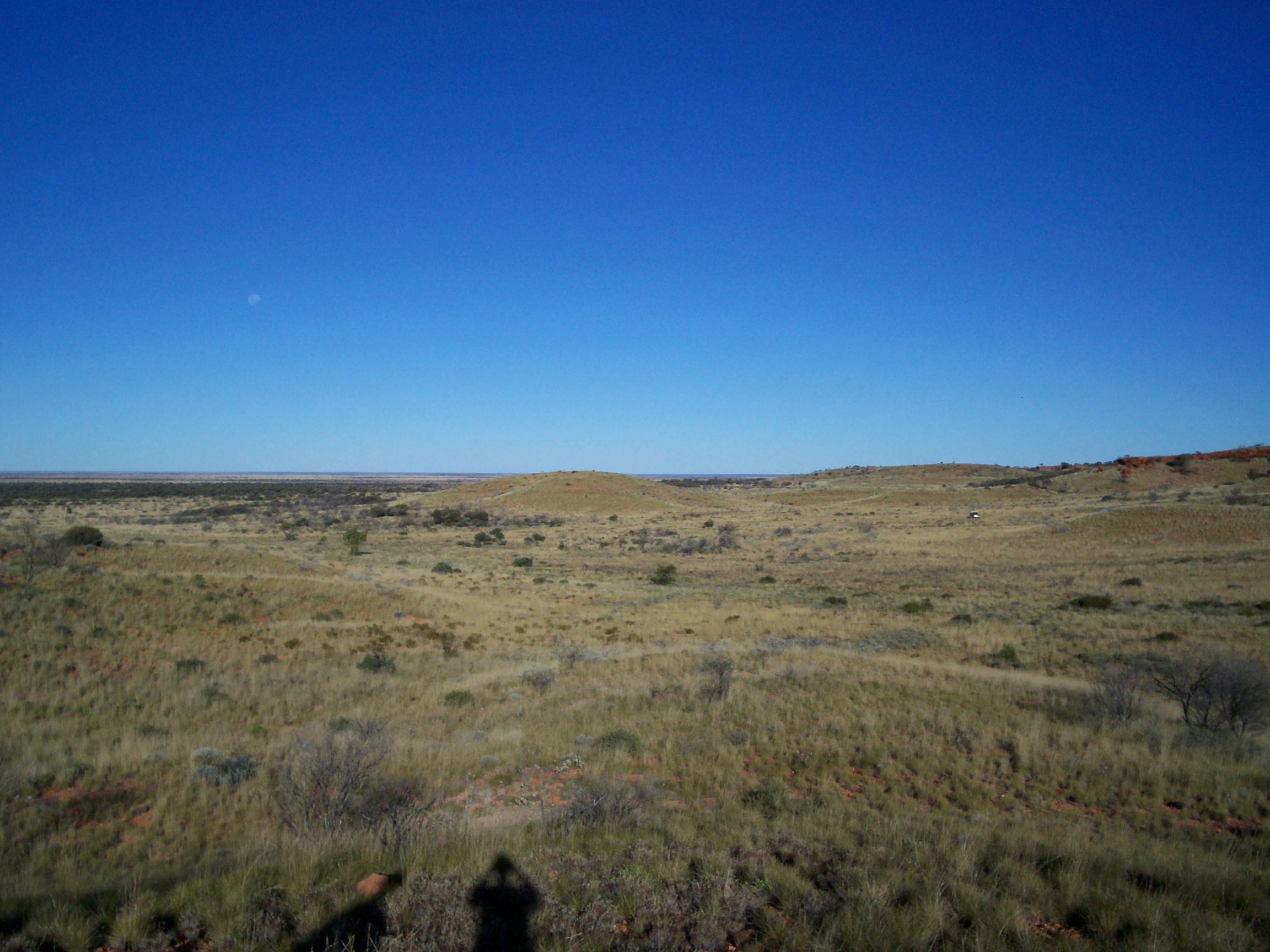
Spinifex-dominated desert country seen from the Alfred and Marie Range in the Gibson Desert, inland Western Australia. Illustrative arid landscape adjacent in character to Great Sandy Desert spinifex country; not Ngururrpa IPA. Photo: Gazjo, via Wikimedia Commons (public domain). Source page: https://commons.wikimedia.org/wiki/File:Gibson_Desert_and_moon_from_Alfred_%26_Marie_Range.jpg
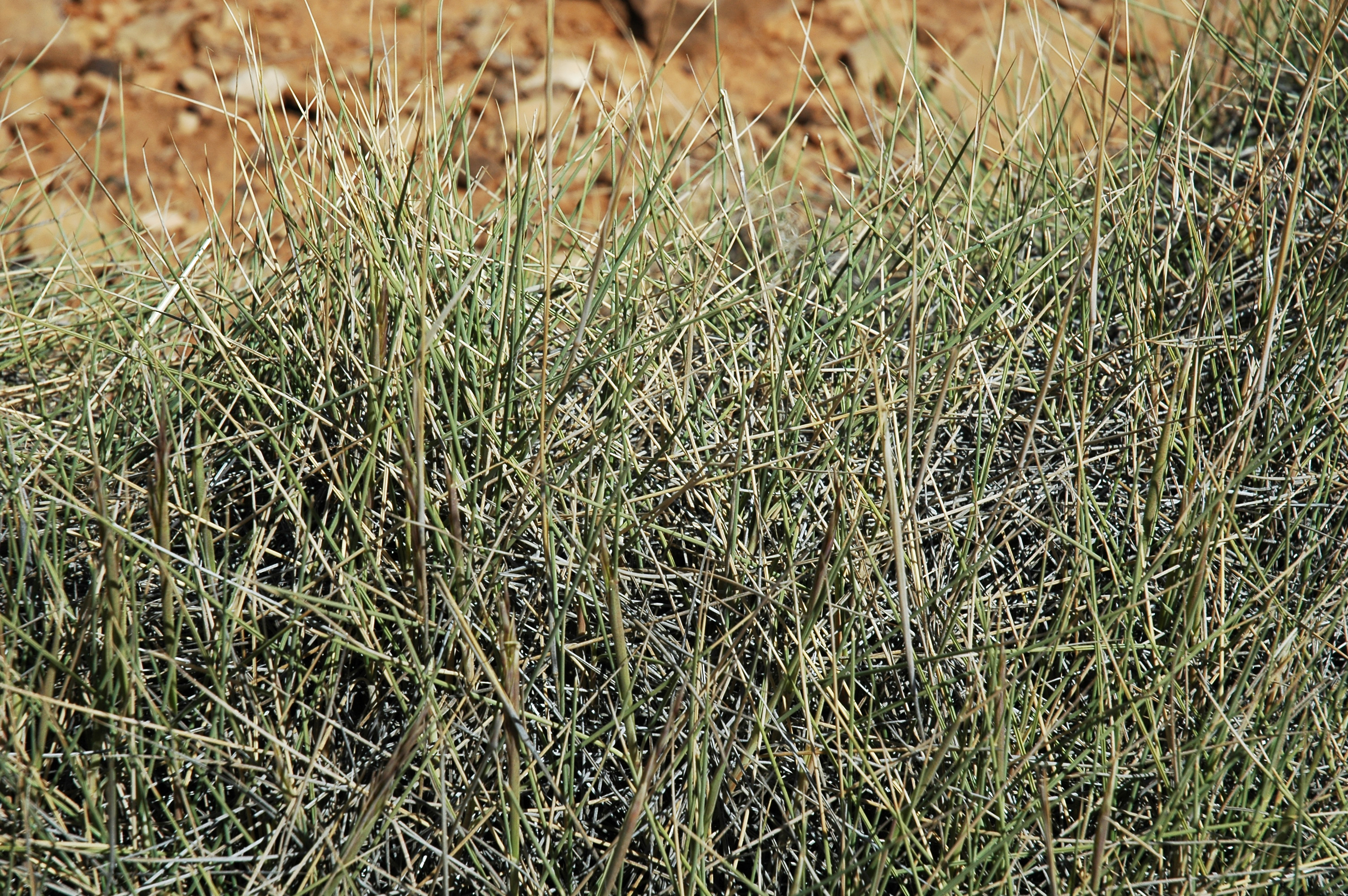
Close view of Triodia spinifex grass at Mt. Scott Range, South Australia. Illustrative of the spiky hummock structure night parrots use for tunnels and nests; not Triodia longiceps at Ngururrpa and not the July 2026 site. Photo: James St. John, via Wikimedia Commons (CC BY 2.0). Source page: https://commons.wikimedia.org/wiki/File:Triodia_sp._(spinifex_grass)_(Mt._Scott_Range,_South_Australia)_3.jpg
- environment
- conservation
- australia
- wildlife
- night-parrot
- indigenous-rangers
- western-australia


_(20196261990).jpg)

_(Mt._Scott_Range,_South_Australia)_3.jpg)