
Niger Returns North African Ostriches to the Wild After Two Decades
On 2 September 2026, eight North African ostriches (five females and three males) were released into Niger's Gadabedji Biosphere Reserve, the first reintroduction there after the subspecies vanished from the country's wild landscapes in 2004, according to Niger's official press agency and Sahara Conservation.
Just News Desk, Correspondent||4 min read
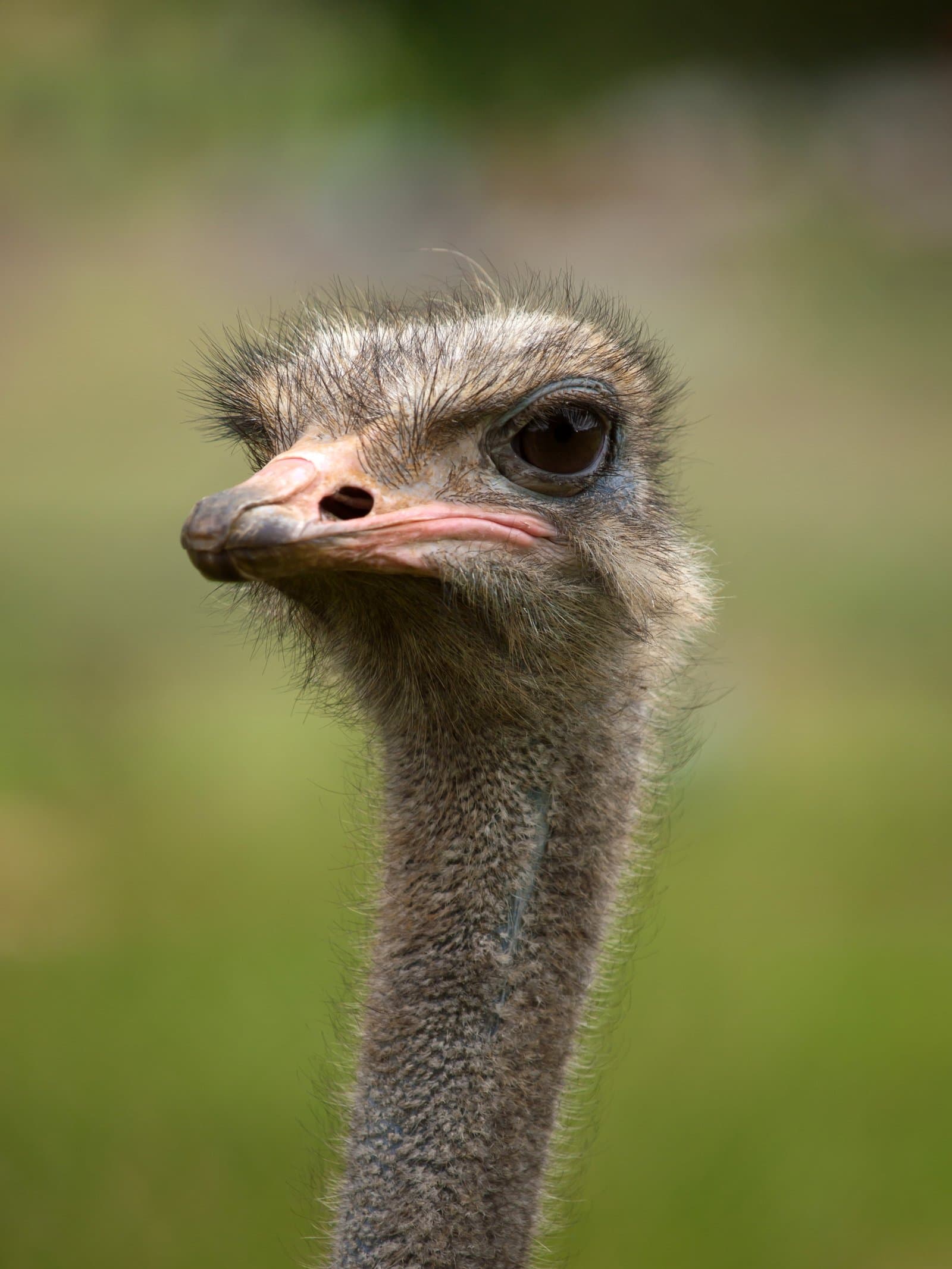
GADABEDJI, Niger - Eight North African ostriches walked back into the Sahel on 2 September 2026, the first wild release of the subspecies in Niger's Gadabedji Biosphere Reserve after the country's last free-ranging birds disappeared in 2004, according to the Agence Nigérienne de Presse and Sahara Conservation.
The founder group, five females and three males of Struthio camelus camelus, also known as the red-necked ostrich, was liberated under the eye of Maradi regional authorities and forest service officers, the official agency reported the following day. Sahara Conservation, working through the NaturA Niger project with European Union NaturAfrica support, described the release as the opening of a new phase aimed at a self-sustaining wild population inside the UNESCO-recognized reserve.
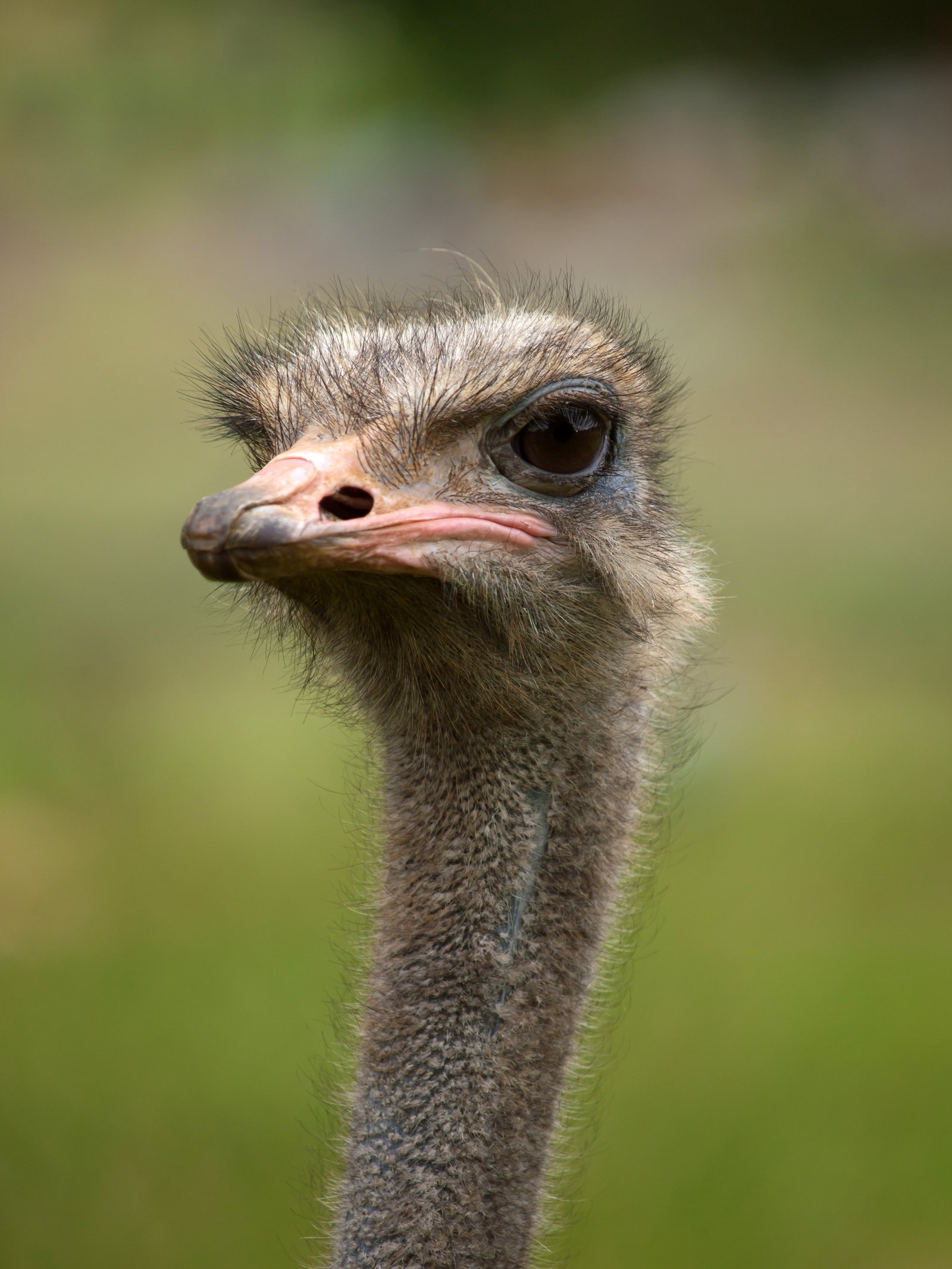
Common ostrich (Struthio camelus) portrait at Whipsnade Zoo, United Kingdom. Illustrative species photograph; not one of the eight birds released at Gadabedji. Photo: William Warby, via Wikimedia Commons (CC BY 2.0). Source page: https://commons.wikimedia.org/wiki/File:Struthio_camelus_portrait_Whipsnade_Zoo.jpg
Hunting, egg collection, chronic drought and habitat loss had erased the North African ostrich from most of its former Sahelo-Saharan range. Niger's last wild bird was recorded in 2004 in the Aïr and Ténéré National Nature Reserve. Inside Gadabedji itself, Sahara Conservation says no wild North African ostrich had been seen since 1955.
"It was an immense, priceless joy to see this magnificent bird back in the wild, just as it used to be," Dr. Maimounatou Ibrahim Mamadou, ostrich breeding sites manager for Sahara Conservation in Niger, said in an account published after the release. "For years, the North African ostrich existed in Niger only as a memory, so seeing them returned to the landscape was a reminder that, with commitment and collaboration, we can restore what was lost and help ecosystems recover."
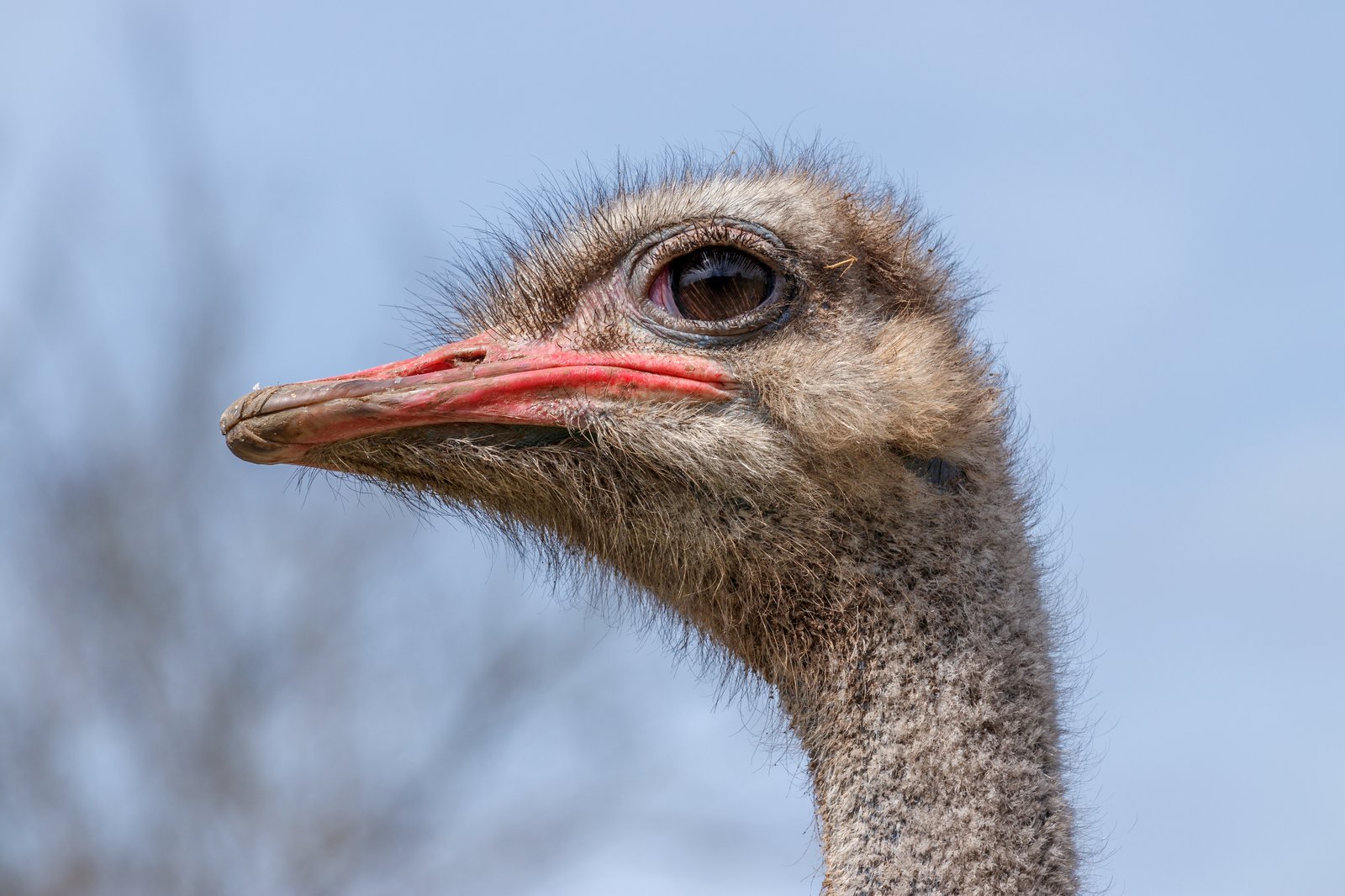
Male common ostrich (Struthio camelus) photographed in Rülzheim, Germany. Species illustration only; not a Gadabedji release bird. Photo: H. Zell, via Wikimedia Commons (CC BY-SA 3.0). Source page: https://commons.wikimedia.org/wiki/File:Struthio_camelus_-_male_-_R%C3%BClzheim.jpg
The September release rests on nearly two decades of captive breeding. Partnership work that began in 2007 with Saint Louis Zoo, the AZA Struthioniformes Taxon Advisory Group and the Nigerien NGO CERNK built a breeding site at Kellé in central Niger. Sahara Conservation has managed that site since 2011, training and employing Nigerien staff. A second breeding center at Mainé-Soroa in southern Niger received support from 2017. Birds were first moved to Gadabedji as a protected-area transfer in 2020, with chicks later held in an acclimatization pen before the wider reintroduction advanced.
Dr. Maïmouna Ibrahim, named by ANP as the site manager who conditioned the birds for freedom, walked officials through the transfer and preparation process at the ceremony. The agency also recorded the presence of Sahara Conservation's Niger country director, AbdoulRazack Moussa Zabeirou, and the reserve's conservator, Commandant Maman Hassan.
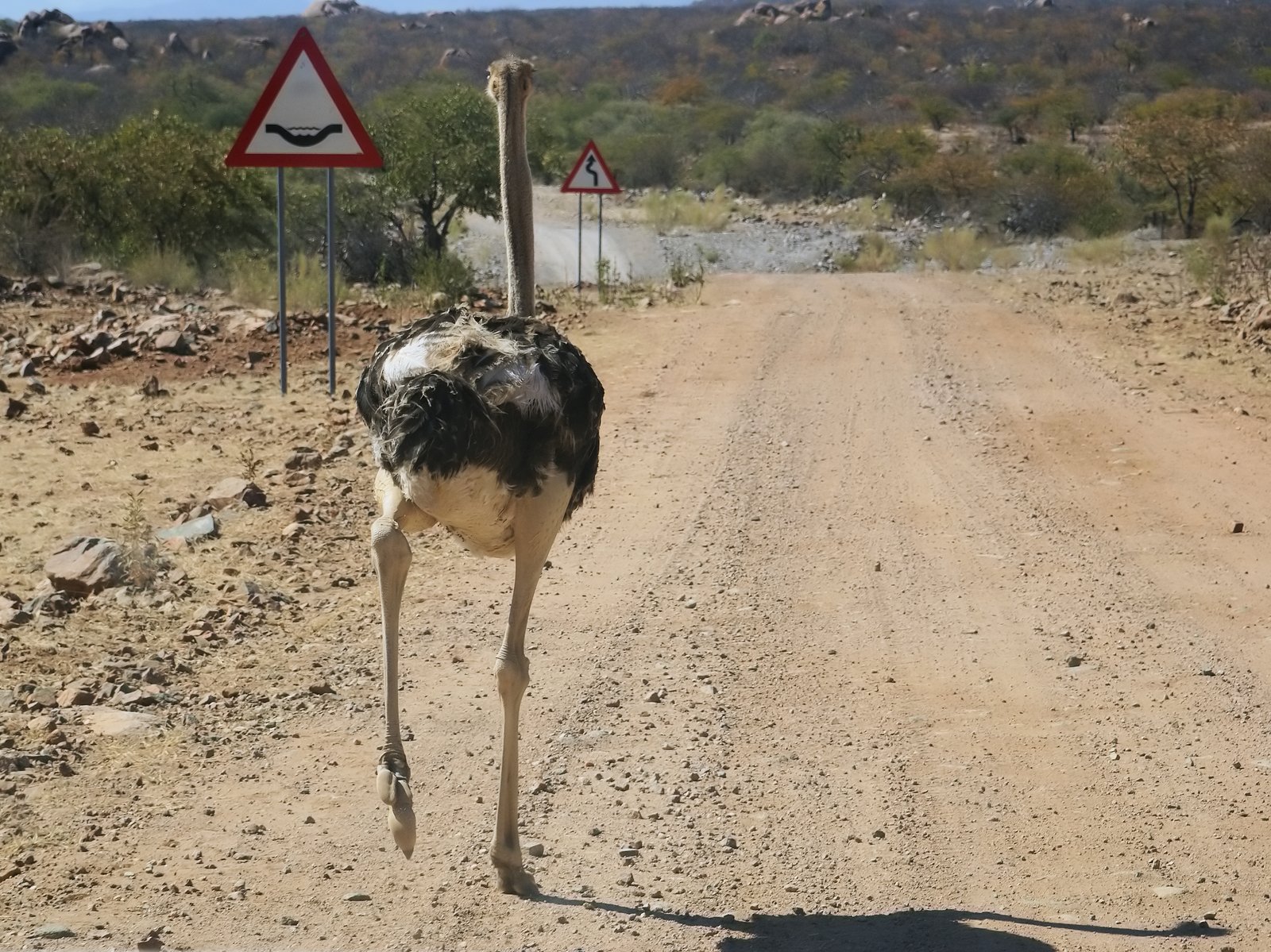
Ostrich near Omuramba in Namibia's Kunene Region, an arid landscape photograph used here only to suggest Sahelian open country. Not Gadabedji and not the released birds. Photo: Hans Hillewaert, via Wikimedia Commons (CC BY-SA 3.0). Source page: https://commons.wikimedia.org/wiki/File:Struthio_camelus_(Kunene).jpg
Gadabedji covers more than 14,000 square kilometers of wooded steppe, grassland, dunes and seasonal ponds in the climatic transition between Sahara and savanna. The reserve previously received giraffe translocations in 2018 and 2022. Before the ostriches went out, Sahara Conservation and the Gadabedji Protected Area Management Unit held information meetings with almost 260 people from nine villages on the species, the reintroduction's purpose and ways people and wildlife can share the landscape, according to reporting that cites the organization's September 2026 release notes.
Monitoring will track how the eight birds adapt, survive and move, and whether they breed. "During the formative stages, we'll monitor the breeding and survival of the released birds, so the first wild-hatched chicks will be an important step," Mamadou said. Longer term, dozens more ostriches remain at breeding sites including Kellé, Mainé-Soroa and Iférouane, with further releases expected if the founder group holds.
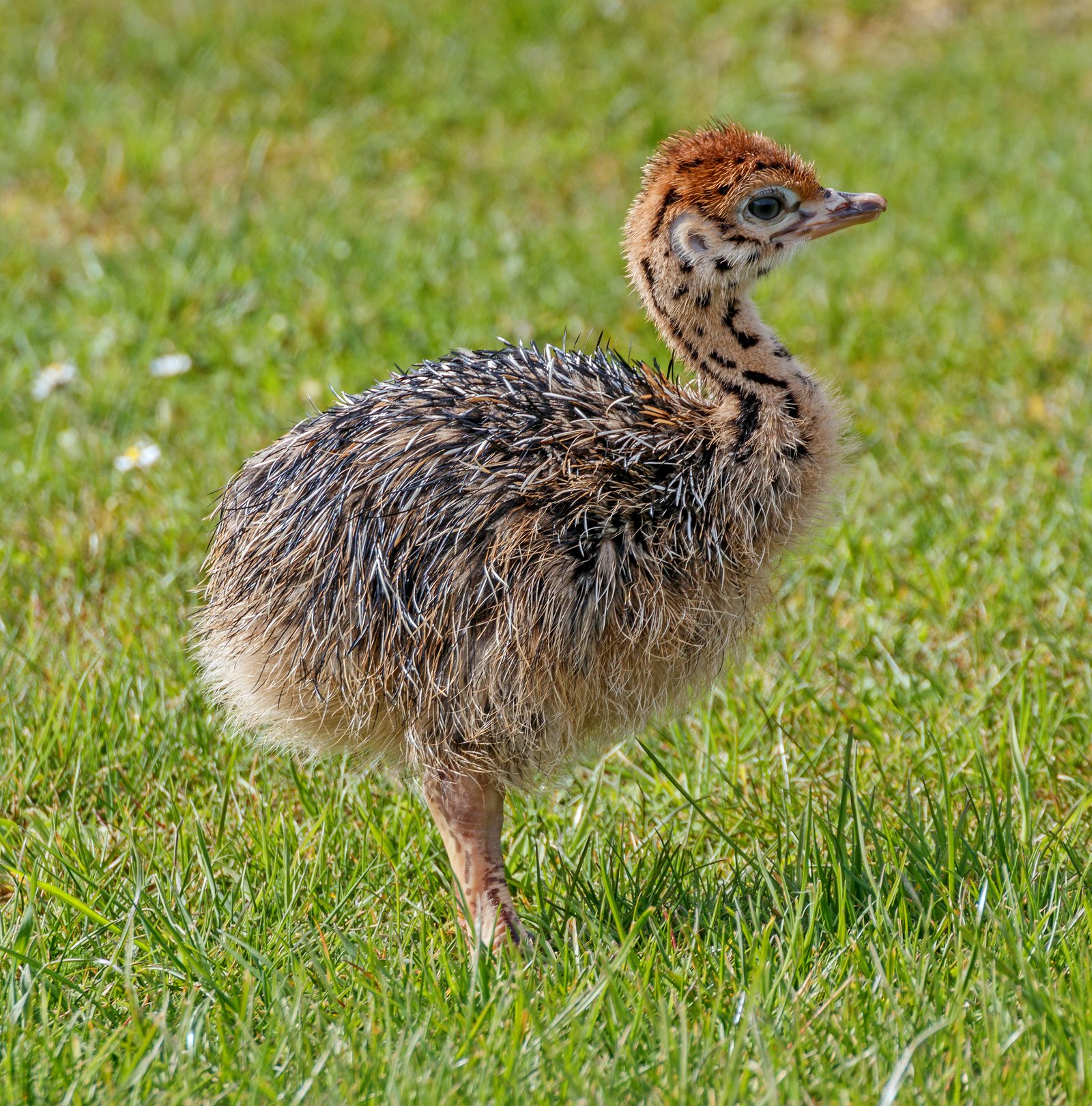
Juvenile common ostrich (Struthio camelus) in Rülzheim, Germany. Illustrative of young birds in breeding programs; not a Gadabedji chick. Photo: H. Zell, via Wikimedia Commons (CC BY-SA 3.0). Source page: https://commons.wikimedia.org/wiki/File:Struthio_camelus_-_juvenile_-_R%C3%BClzheim.jpg
Ostriches disperse seeds and nutrients across wide ranges, Mamadou noted, a role that may matter in recovering Sahelian landscapes. Adult birds have few natural predators, while their eggs and chicks feed local food webs. Niger has maintained a national North African ostrich conservation strategy since 2016. The September release does not yet restore a self-sustaining wild population. It does reopen a chapter that closed more than twenty years ago, measured in eight birds, a monitored reserve, and the slow work of breeding centers that made the walk back possible.
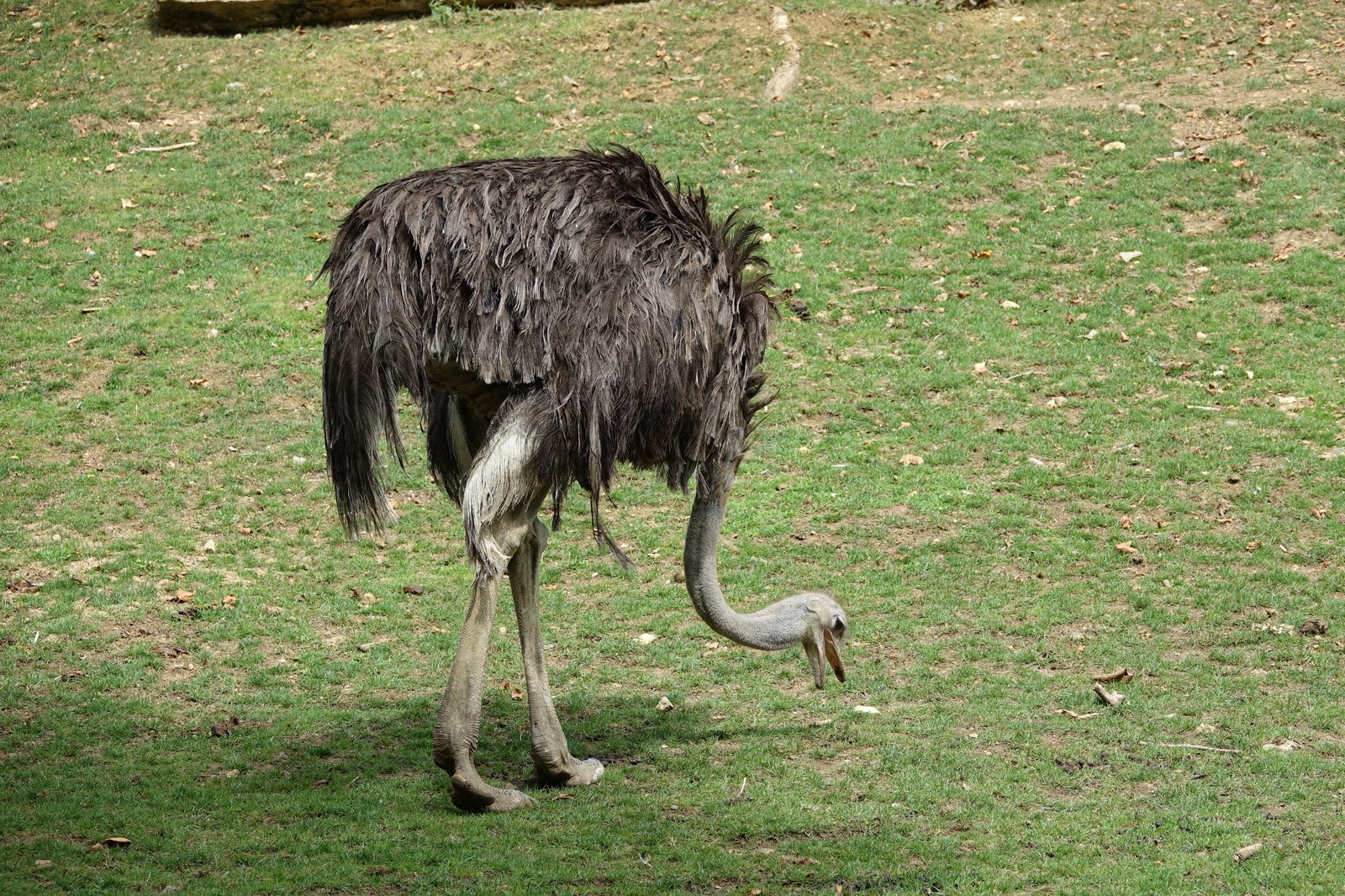
African ostrich (Struthio camelus) at ZooParc de Beauval, France. Captive species photograph for illustration; not from Niger's release. Photo: Gzen92, via Wikimedia Commons (CC BY-SA 4.0). Source page: https://commons.wikimedia.org/wiki/File:Autruche_d%27Afrique_(Struthio_camelus)_(2).jpg
- environment
- conservation
- niger
- wildlife
- reintroduction
- ostrich
- sahara


.jpg)

_(2).jpg)