
Gansu Releases 20 Crested Ibises in China's Westernmost, Highest-Altitude Rewilding Effort
On 20 September 2026, Gansu province released 20 crested ibises into Xiaolongshan forest near Tianshui, China's westernmost and highest-altitude crested ibis rewilding effort to date and the province's first wild release of the species, according to the National Forestry and Grassland Administration and state media.
Just News Desk, Correspondent||3 min read
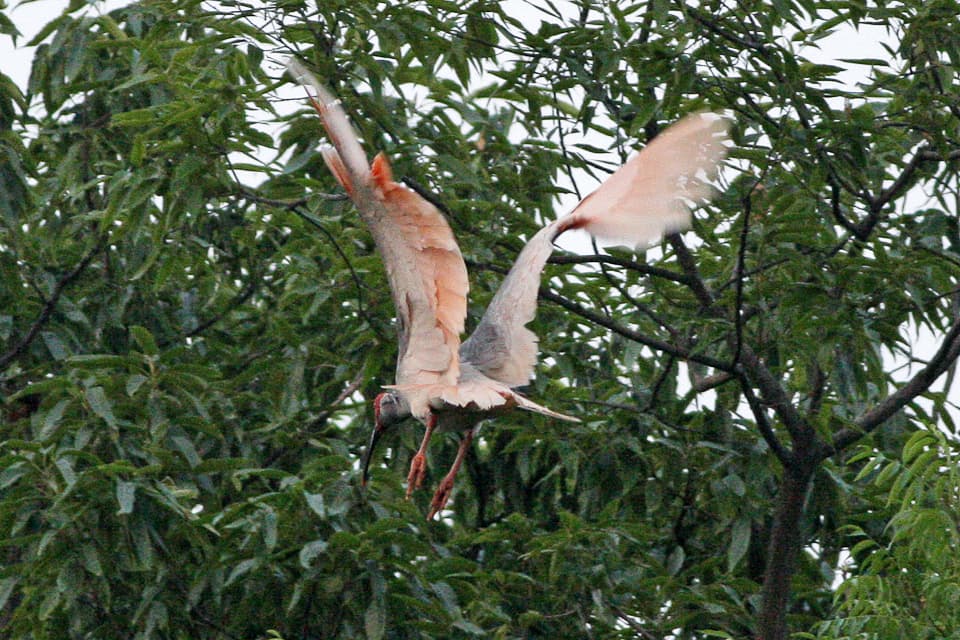
TIANSHUI, China - Twenty crested ibises were released into the wild on Sunday at Longmen Forest Farm in the Xiaolongshan forest area of Tianshui, Gansu province, in what Chinese state media describe as the country's westernmost and highest-altitude crested ibis rewilding effort to date, and Gansu's first wild release of the species.
The National Forestry and Grassland Administration said the birds underwent health checks, identification tagging and rewilding training before release at a site more than 1,500 meters above sea level. CGTN reported a soft-release protocol: the birds spent more than 20 days in an acclimatization enclosure about seven kilometers from the breeding facility, gates were opened gradually without forcing birds out, artificial feeding inside was reduced, and permanent and temporary feeding sites were established nearby.
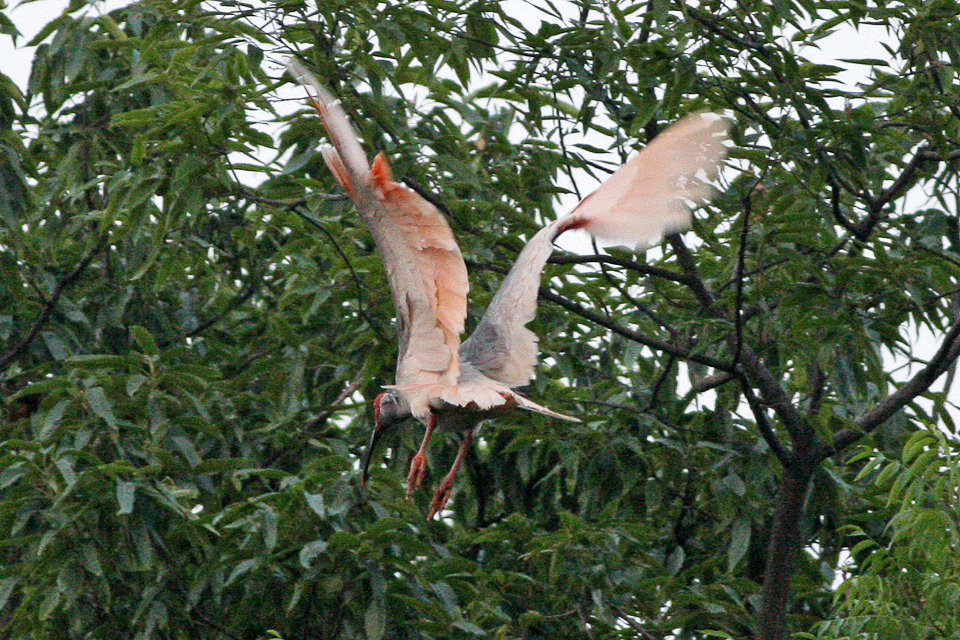
Crested ibis (Nipponia nippon), known in Chinese as zhuhuan. Photo: Ron Knight, via Wikimedia Commons (CC BY 2.0). Source page: https://commons.wikimedia.org/wiki/File:Crested_Ibis_(Nipponia_nippon).jpg
Wan Ziming, deputy director-general of the administration's wildlife protection department, framed the Sunday release as a shift from captive breeding toward rebuilding wild populations. "The release marks a new stage in Gansu's crested ibis conservation, as it moves from captive breeding to the reconstruction of wild populations. It is of milestone significance for expanding the species' distribution, increasing population genetic diversity and improving the crested ibis conservation network in Northwest China," he said, according to China Daily's report of an NFGA news release.
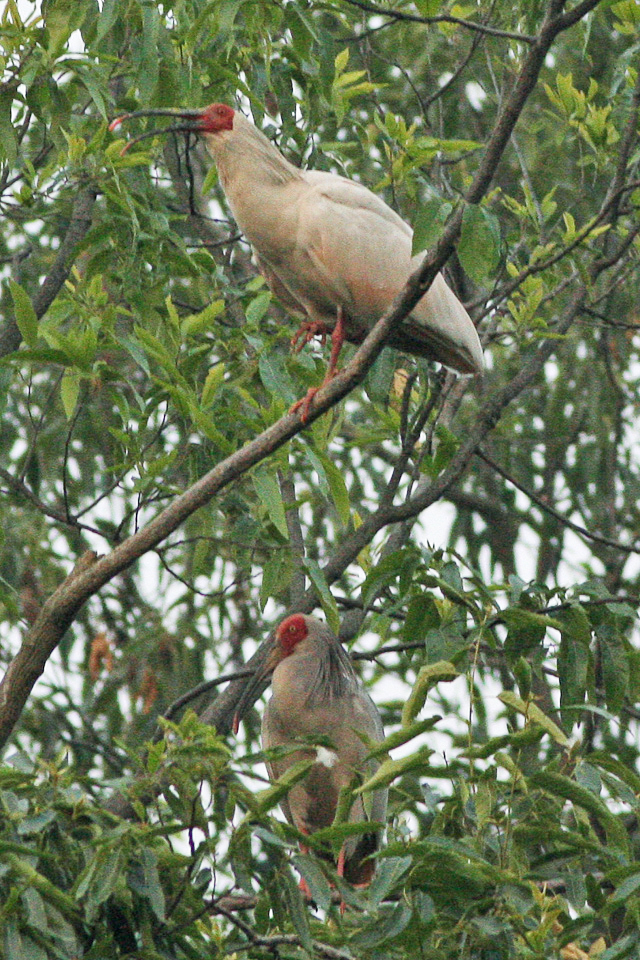
Two crested ibises at Yangxian, Shaanxi, where seven wild birds were rediscovered in 1981. Photo: Ron Knight (sussexbirder), via Wikimedia Commons (CC BY 2.0). Source page: https://commons.wikimedia.org/wiki/File:Nipponia_nippon,_two,_Yang_Xian,_Shaanxi,_China.jpg
Xiaolongshan lies in the western Qinling and was historically crested ibis habitat. In 2023, according to China Daily citing the Xiaolongshan forestry protection center, Gansu introduced breeding stock from the Hanzhong Crested Ibis National Nature Reserve in neighboring Shaanxi and established a base at Longmen forest farm. The farm population grew from 20 to 50 birds; CGTN and China News reported that the project has produced 30 chicks described as Gansu-born.
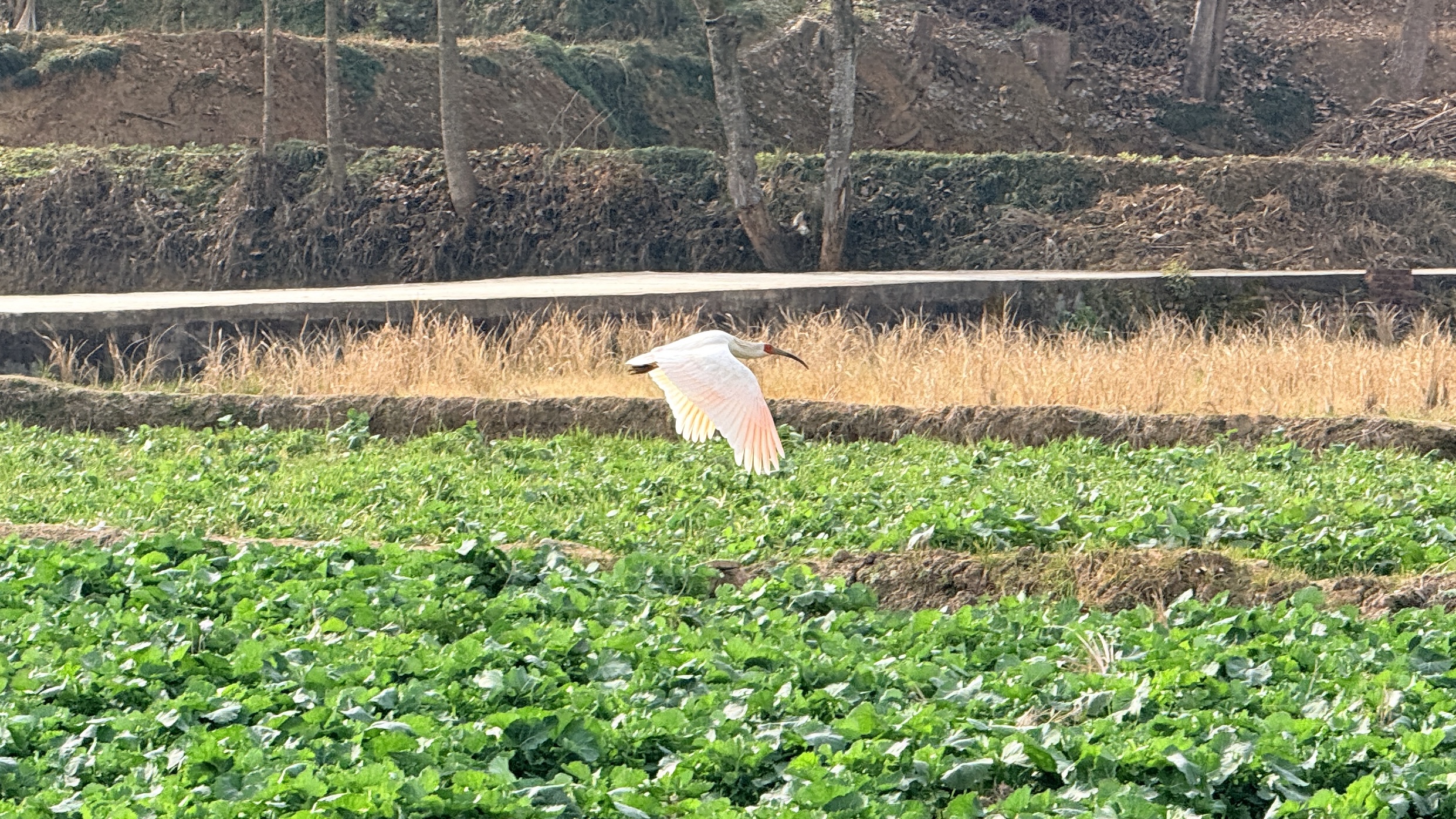
Crested ibis in flight over Nanzheng, Shaanxi, China, 2026. Photo: Bechology, via Wikimedia Commons (CC BY 4.0). Source page: https://commons.wikimedia.org/wiki/File:Flying_Crested_Ibis_(Nipponia_nippon),_Nanzheng,_Shaanxi,_China,_2026.jpg
The species nearly vanished in the late twentieth century. In 1981 only seven wild crested ibises were found in Yangxian county, Shaanxi. China Daily, citing conservation tallies, says the global population has since surpassed 10,000; China News reported more than 12,000 birds and habitat spanning tens of thousands of square kilometers. China has established captive-bred and wild populations in 15 provincial-level regions, the NFGA said, under a 2022-2035 action plan aimed at returning the bird to more of its historical range.
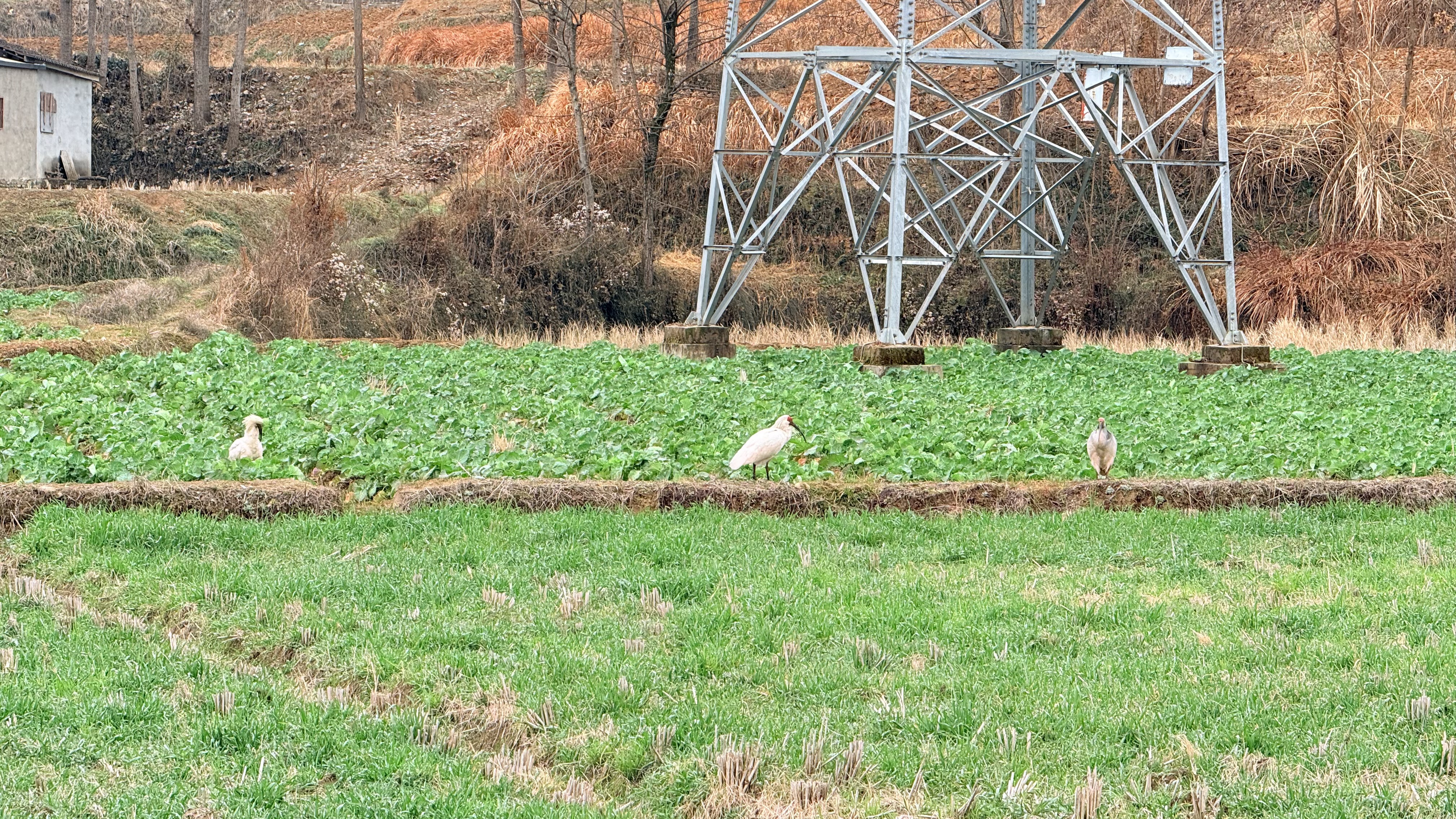
Crested ibis (Nipponia nippon) in wetland habitat, Nanzheng, Shaanxi, China, 2026. Photo: Bechology, via Wikimedia Commons (CC BY 4.0). Source page: https://commons.wikimedia.org/wiki/File:Crested_Ibis_(Nipponia_nippon),_Nanzheng,_Shaanxi,_China,_2026.jpg
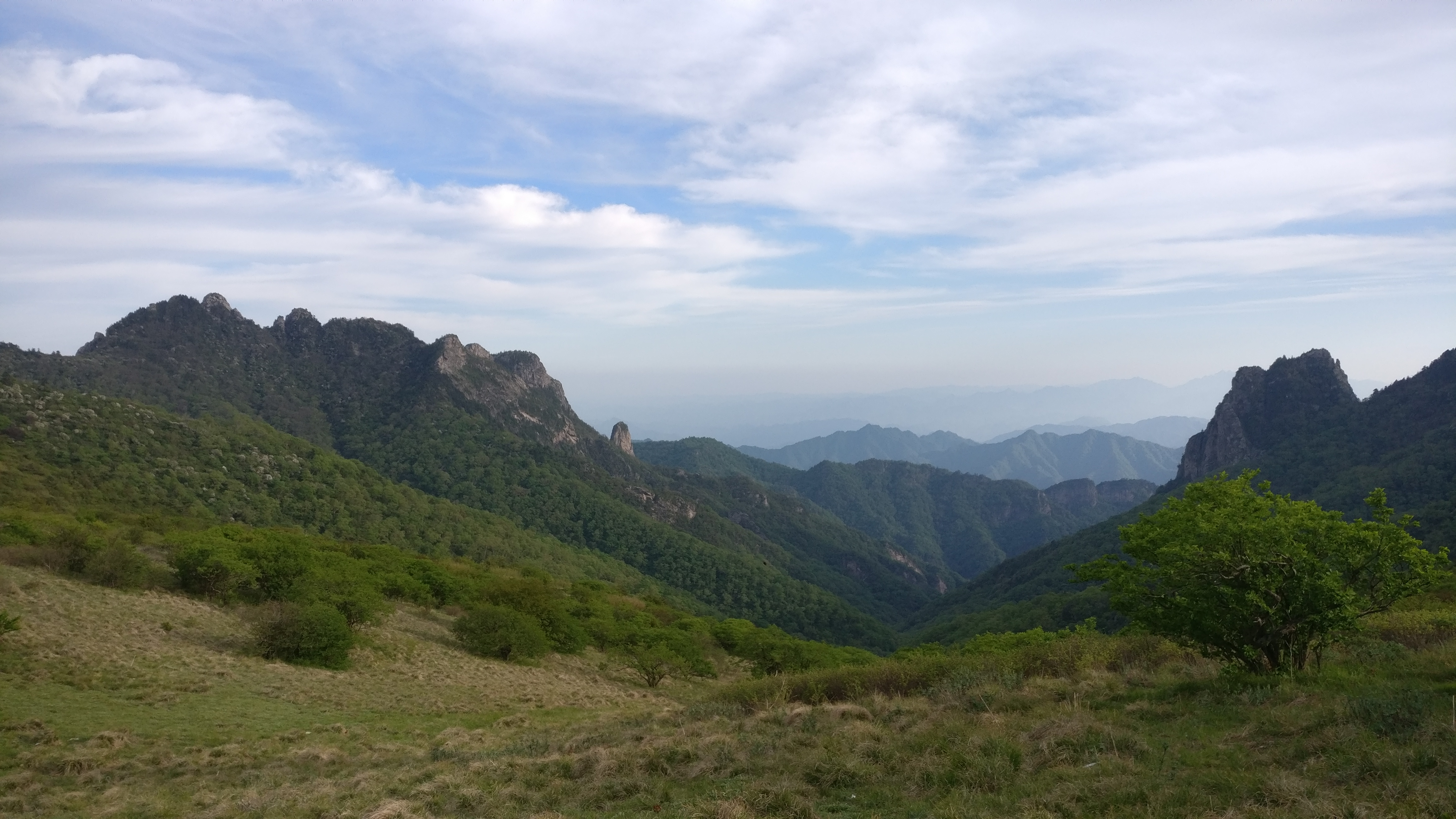
Forested ridges in the Qinling Mountains, the broader range that includes Xiaolongshan in western Gansu and Shaanxi. Photo: Charlie439753, via Wikimedia Commons (CC BY-SA 4.0). Source page: https://commons.wikimedia.org/wiki/File:Part_of_the_view_on_Qinling_mountains.jpg
Wan cautioned that rewilding is "not 'release and forget'" but a long-term, science-based project requiring satellite tracking, tags, infrared cameras, ground patrols, wetland and nesting-tree restoration, and community participation. For now the measurable step is local and countable: twenty tagged birds leaving an enclosure above 1,500 meters in Gansu's Xiaolongshan, opening a western front in a recovery that began with seven survivors in Shaanxi more than four decades ago.
Sources
- China Daily: Release of 20 crested ibis marks new phase in protection in Gansu (21 Sep 2026)
- China Daily: Crested ibises released in Gansu to boost endangered bird's wild population (20 Sep 2026)
- CGTN: Crested ibises take flight in China's westernmost rewilding effort (21 Sep 2026)
- China News Gansu: 甘肃首次野化放归朱鹮 (21 Sep 2026)
- environment
- conservation
- birds
- china
- gansu
- biodiversity
- rewilding
.jpg)

,_Nanzheng,_Shaanxi,_China,_2026.jpg)
,_Nanzheng,_Shaanxi,_China,_2026.jpg)
