
Seedlings From World's Last Known Wild Chilean Tree Daisy Reach Scotland's Logan Botanic Garden
Two seedlings grown from seeds of the last known wild Dendroseris neriifolia on Chile's Robinson Crusoe Island arrived at Logan Botanic Garden in Dumfries and Galloway in mid-September 2026, part of a Kew Millennium Seed Bank rescue that germinated eight plants from 29 seeds collected in May.
Just News Desk, Correspondent||6 min read
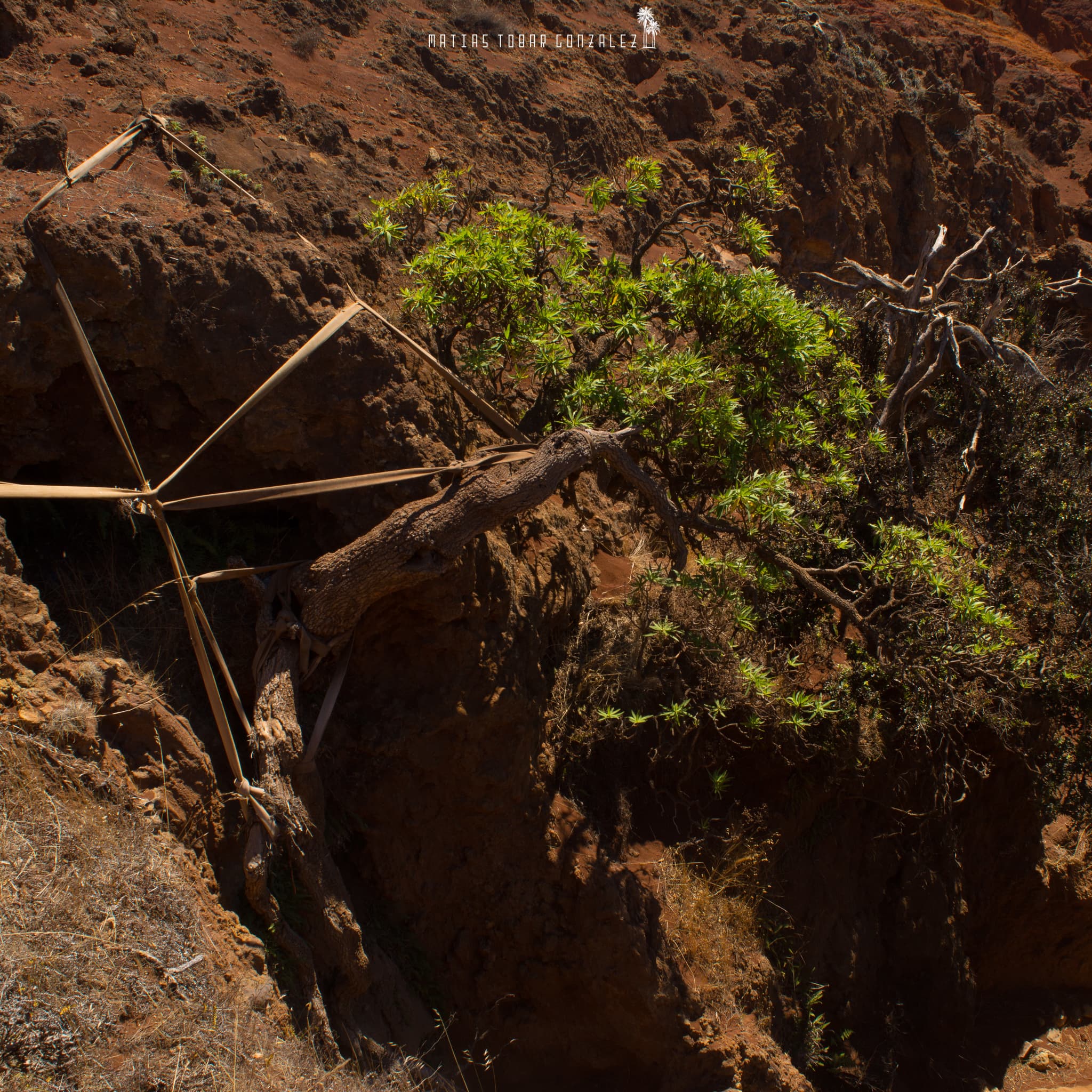
PORT LOGAN, Scotland - Two seedlings grown from seeds of the last known wild Dendroseris neriifolia, a Critically Endangered tree daisy endemic to Chile's Robinson Crusoe Island, arrived this week at Logan Botanic Garden in Dumfries and Galloway, according to reporting by BBC Scotland and STV News on 17 September 2026, extending an international rescue begun when 29 seeds reached Kew's Millennium Seed Bank in May.
The species, known as a tree daisy for its daisy-like flowers on a woody trunk, has been reduced to a single confirmed wild individual clinging to a steep volcanic outcrop and supported with ropes to keep it from falling. Habitat loss, invasive plants, grazing by introduced mammals and repeated fires drove the decline. By 1980 only eight wild trees remained; reintroduction work in the early 2000s was undermined after protective measures broke down in 2017, Kew and Chilean partners have said.
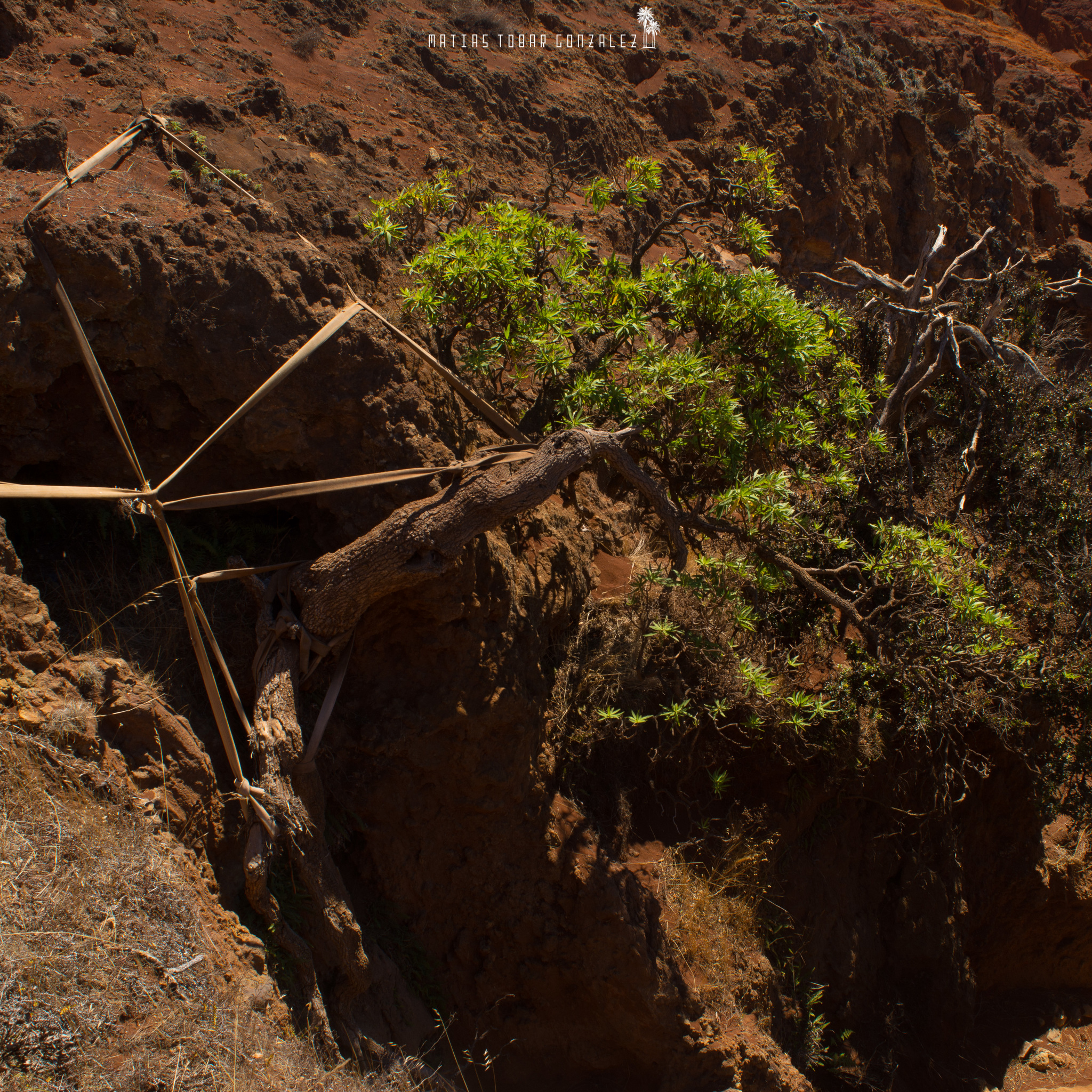
Dendroseris neriifolia, the Critically Endangered tree daisy known only from Robinson Crusoe Island. Photo via iNaturalist (photo 64734656) / Wikimedia Commons (CC0). Source page: https://commons.wikimedia.org/wiki/File:Dendroseris_neriifolia,_Valpara%C3%ADso,_CL_imported_from_iNaturalist_photo_64734656.jpg
In May 2026 the Millennium Seed Bank at Kew Wakehurst received 29 seeds collected from that lone wild tree. Kew's X-ray analysis found 25 of them potentially viable. Eight seedlings germinated in cultivation trials at Wakehurst. STV and BBC reported that two of those plants have now travelled more than 300 miles north to Logan, where the mild Gulf Stream climate is considered especially suitable for rare Chilean island flora; the remaining germinated plants stay at Kew Gardens and Kew Wakehurst. An earlier Kew press release of 29 May 2026 had said three seedlings would be shared with Logan once old enough, a planned figure that precedes the mid-September arrival coverage describing two plants on site.
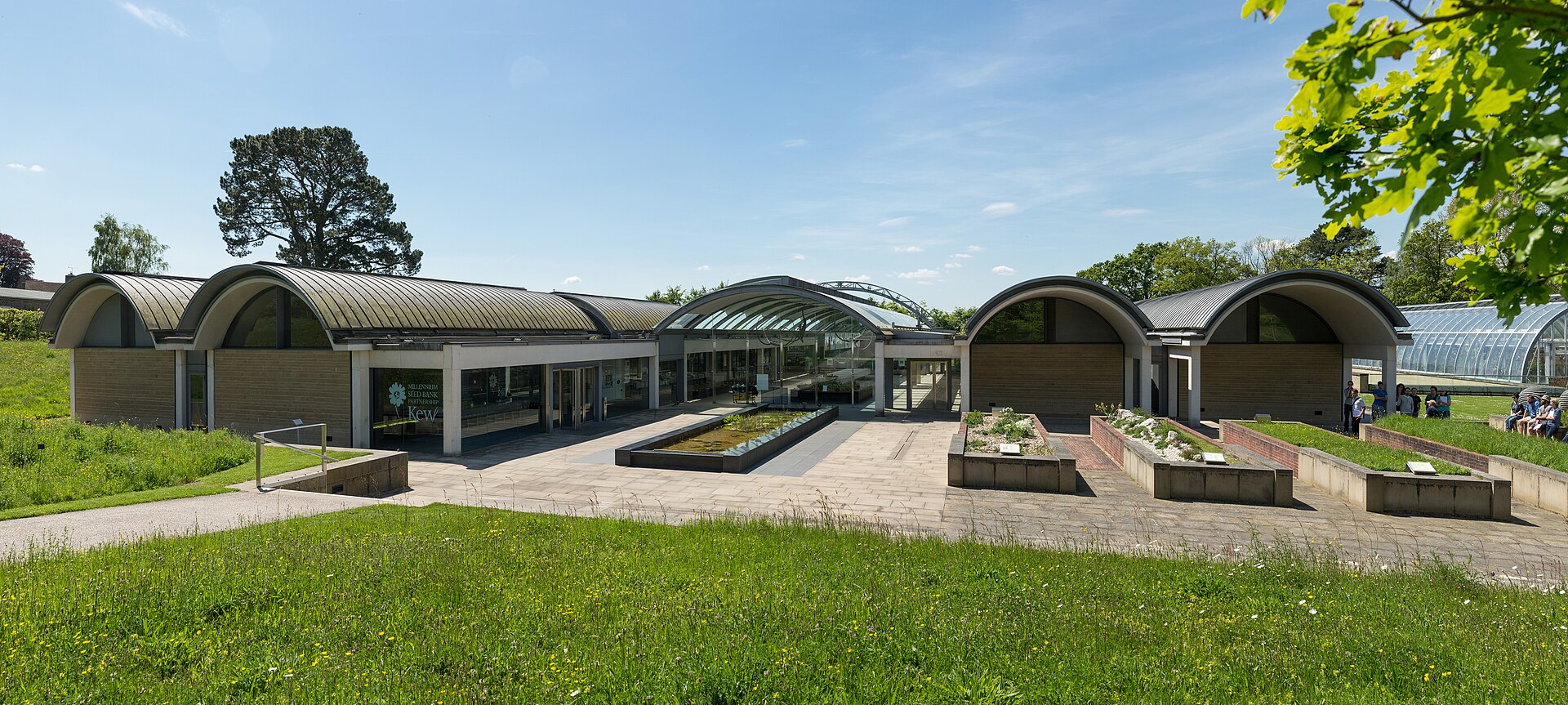
The Millennium Seed Bank at Kew Wakehurst, West Sussex, where the May 2026 seed shipment was received and germination trials began. Photo: Diliff, via Wikimedia Commons (CC BY-SA 3.0). Source page: https://commons.wikimedia.org/wiki/File:Millennium_Seed_Bank_Project,_Wakehurst_Place,_UK_-_Diliff.jpg
Richard Baines, curator at Logan Botanic Garden, called the arrival a significant moment for everyone involved. "Experience shows that plant species from the Juan Fernández Islands do well at Logan," he told STV and BBC. "This is the start of an exciting new period. Creating a safe place for these seedlings, getting to know them, and learning more about their adaption to different environments, gives us the chance to contribute so much more." In Kew's May release he also framed the partnership as more than four decades of work with Chilean scientists and horticulturists, and said public display of the young plants would help tell the species' story.
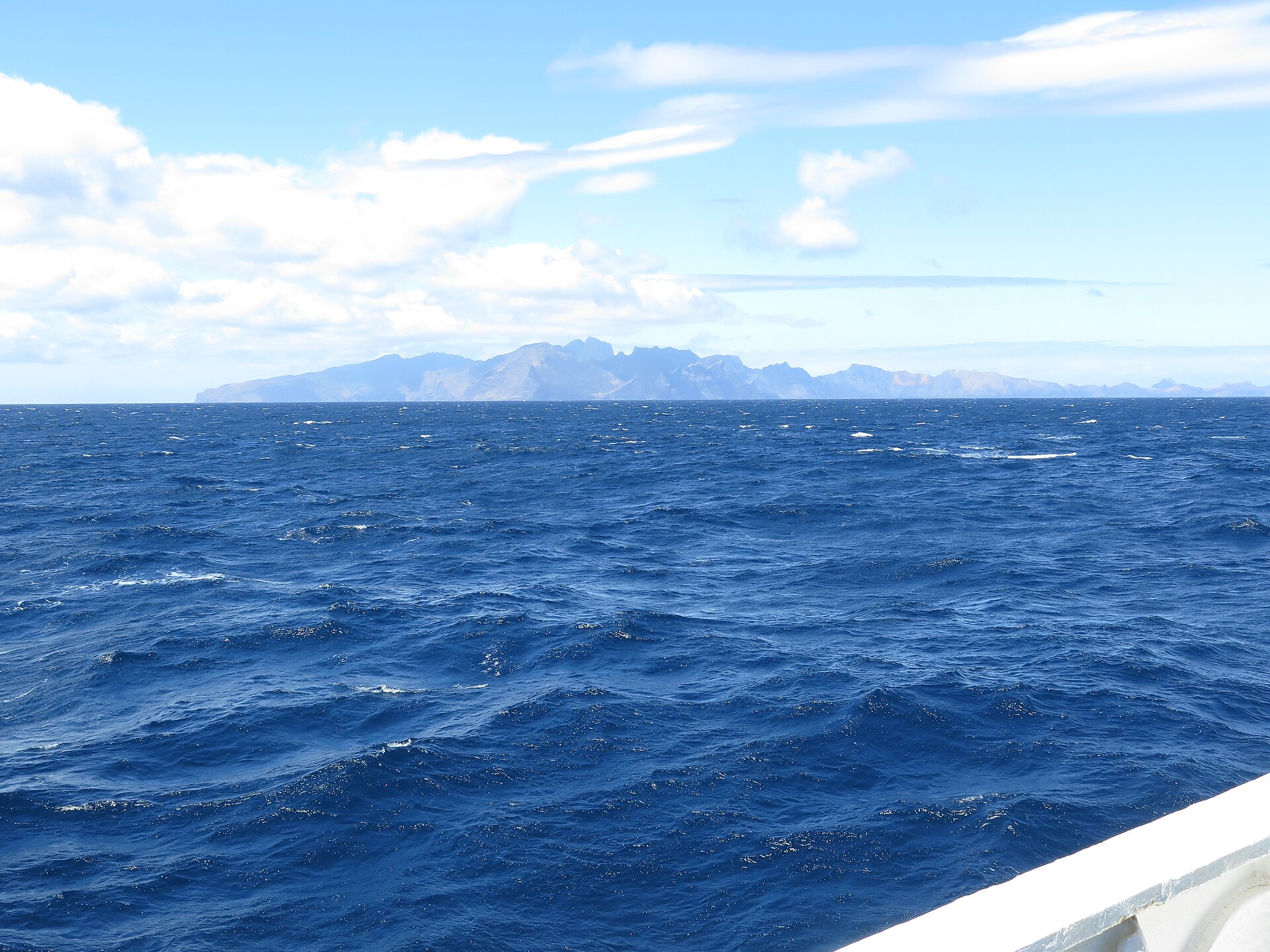
Approaching Robinson Crusoe Island in the Juan Fernández archipelago, about 760 kilometres off Chile's coast, the only known wild home of Dendroseris neriifolia. Photo: The Official CTBTO Photostream, via Wikimedia Commons (CC BY 2.0). Source page: https://commons.wikimedia.org/wiki/File:Approaching_Robinson_Crusoe_Island_(13465850025).jpg
Diego Penneckamp, a scientist at Jardín Botánico VerdeNativo in Chile, described the work as a race against time. "This international collaboration to support the last remaining individual could prevent the extinction of a species that represents a unique lineage with its own natural history," he said in statements carried by Kew and British outlets. Felipe Sáez, a plant biotechnology engineer and administrator of Parque Nacional Archipiélago Juan Fernández under Chile's National Forest Corporation (CONAF), called the seed transfer one of the most significant collaborative efforts to safeguard the archipelago's flora, led with VerdeNativo. Partners have also facilitated seeds of two related Dendroseris species from the island, D. litoralis and D. pruinata, for trials at Logan and Kew Wakehurst.
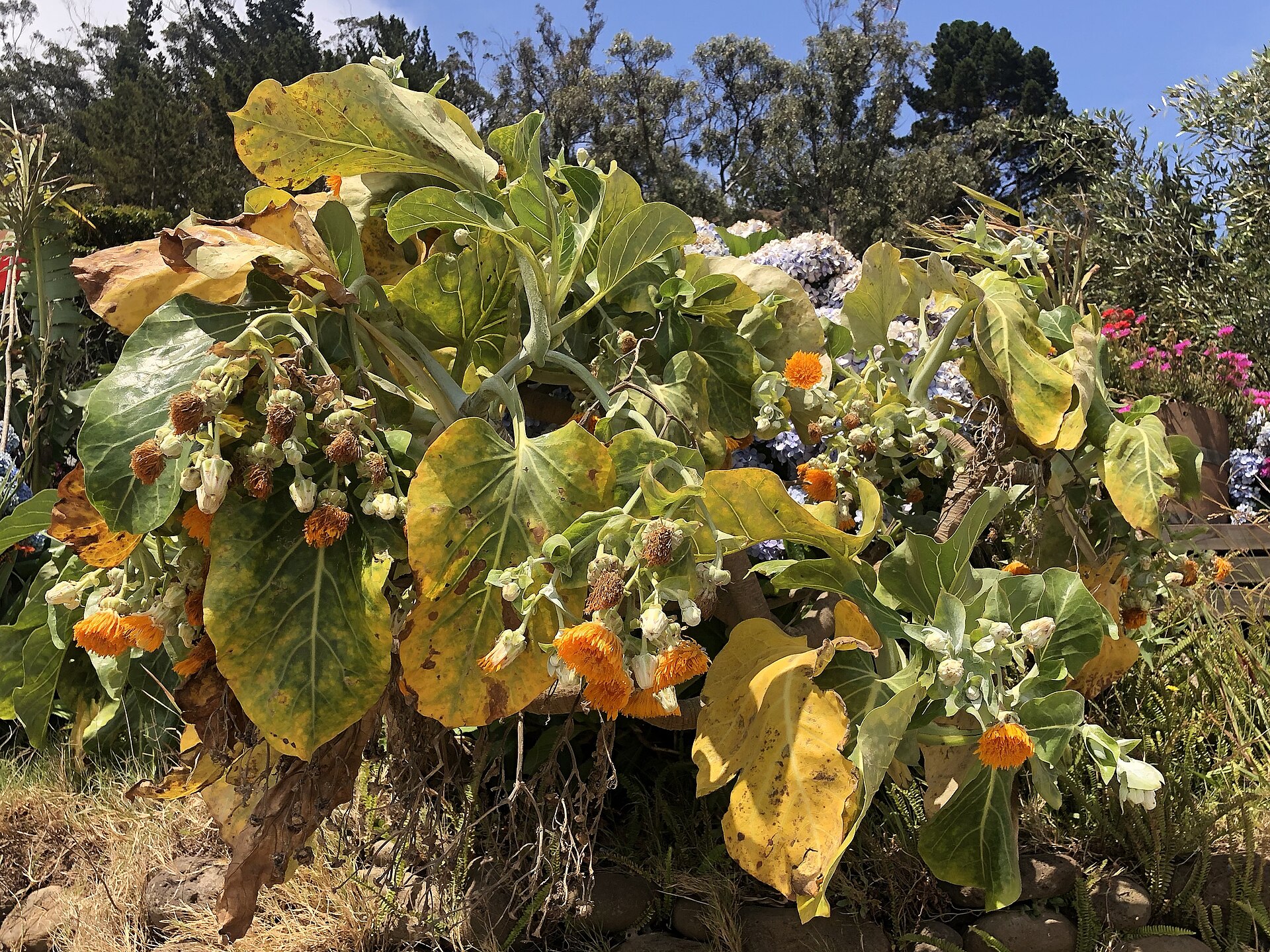
Dendroseris litoralis, a related Juan Fernández cabbage tree on Robinson Crusoe Island. Partners are also moving seeds of D. litoralis and D. pruinata into UK trials; this image is the related species, not the neriifolia seedlings now at Logan. Photo: Richard N Horne, via Wikimedia Commons (CC BY-SA 4.0). Source page: https://commons.wikimedia.org/wiki/File:Robinson_Crusoe_Island_Dendroseris_litoralis_%E2%80%93_Juan_Fern%C3%A1ndez_Cabbage_Tree.jpg
The Juan Fernández Islands hold an estimated 1.7 endemic plant species per square kilometre, Kew notes, with about 65 percent of plant species found nowhere else. The entire Dendroseris genus is confined to the archipelago. Kew has also highlighted the Critically Endangered Juan Fernández firecrown hummingbird, which relies on Dendroseris flowers, as one ecological partner at risk if the trees disappear. Seed collection itself is perilous: collectors climb along the trunk of the cliffside tree and catch mature one-seeded fruits in nets each March. Kew said 400 seeds were collected in the latest field season overall, of which the 29 sent to the Millennium Seed Bank formed the UK germplasm share; roughly 90 percent of seeds from the isolated population can be non-viable, compounding the urgency of every viable seedling.
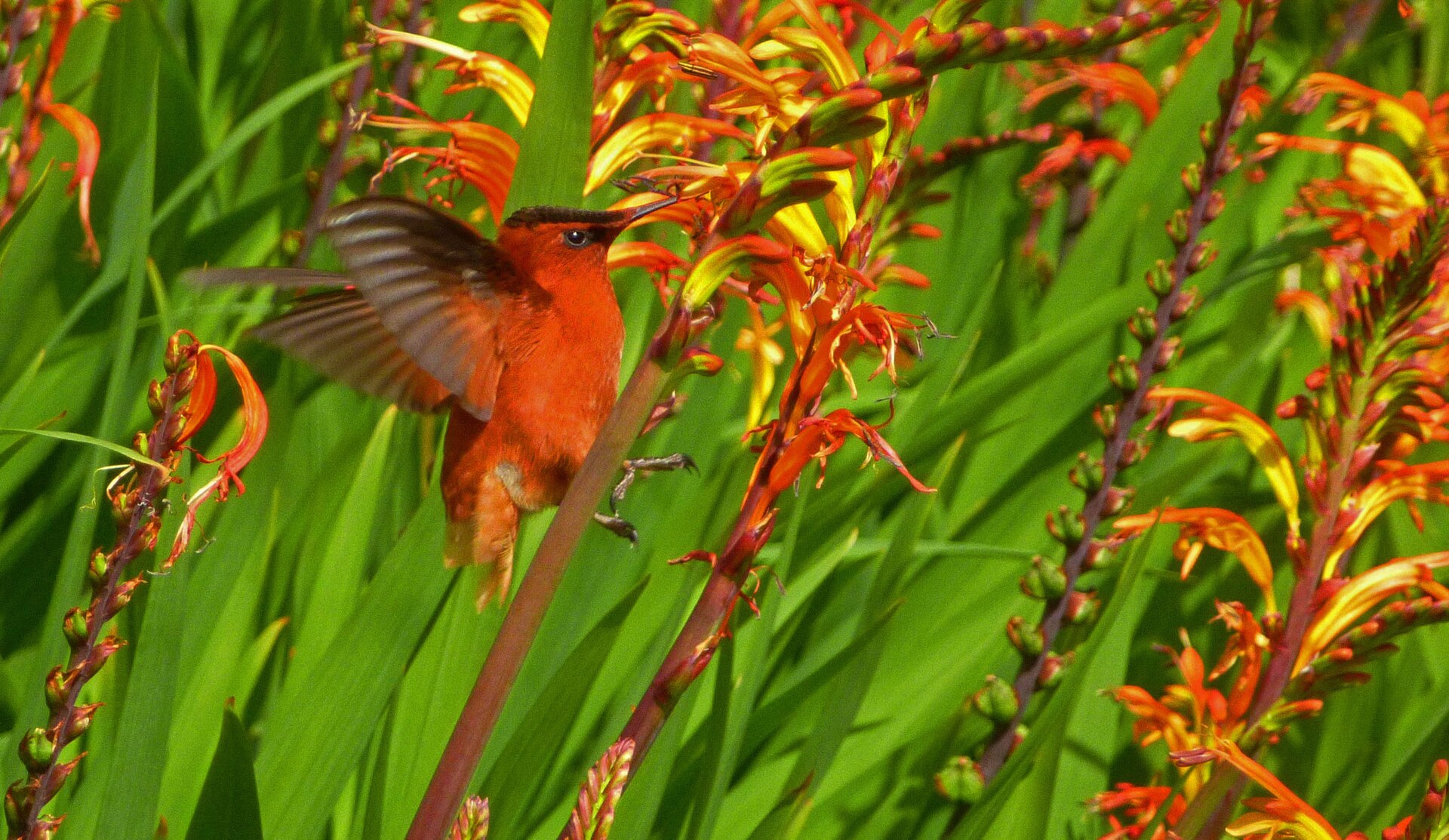
A male Juan Fernández firecrown (Sephanoides fernandensis), a Critically Endangered hummingbird that relies on Dendroseris flowers in the archipelago. Photo: Fraenerys, via Wikimedia Commons (CC BY 3.0). Source page: https://commons.wikimedia.org/wiki/File:Sephanoides_Fernandensis_Male_(178788293).jpeg
Paulina Hechenleitner, a research associate at the Royal Botanic Garden Edinburgh and science leader at VerdeNativo who brought the seeds to the United Kingdom, said seeing the species germinate in Britain showed the strength of long-term international partnerships. RBG Kew horticultural staff reported that, after X-ray work and advice from CONAF colleagues, they direct-sowed into compost in Wakehurst glasshouses rather than agar plates, and that all eight trial seedlings germinated. The project has been supported by the Mohamed bin Zayed Species Conservation Fund. CONAF collectors aim to send another seed collection next year.
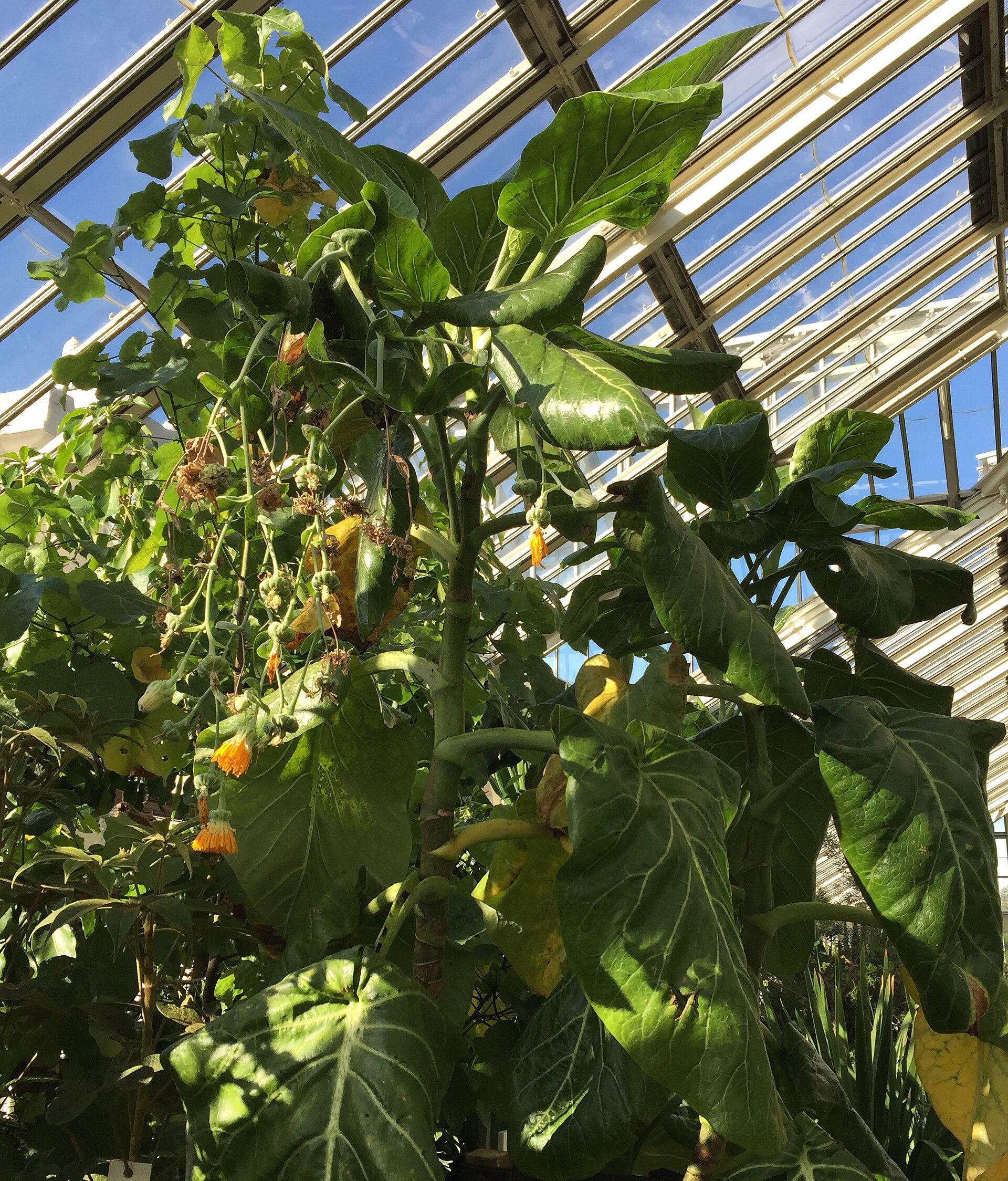
Dendroseris litoralis flowering in cultivation at Kew Gardens, illustrating UK ex-situ care for the Juan Fernández cabbage-tree genus; the Logan arrivals are D. neriifolia seedlings from the 2026 wild-seed collection. Photo: Flobbadob, via Wikimedia Commons (CC BY-SA 4.0). Source page: https://commons.wikimedia.org/wiki/File:Dendroseris_litoralis_flowering_at_Kew.jpg
What arrives at Logan is not a restored wild population but a carefully labelled next generation: two young plants under glasshouse and garden care, backed by banked seed and sister seedlings at Kew, while the last wild tree remains on its Chilean cliff. The measured hope is that cultivation knowledge, public storytelling and continued Chilean field collections can keep a unique lineage from ending with a single rope-braced trunk.
Sources
- Kew press release: Critically Endangered tree finds hope at Kew and Logan (29 May 2026)
- STV News: Offspring from one of the world's rarest trees finds new home in Scotland (17 Sep 2026)
- BBC Scotland: Rare tree offspring given lifeline at Logan Botanic Gardens (~17 Sep 2026)
- The National / PA: World's rarest tree arrives at Scottish botanic garden
- environment
- conservation
- plants
- chile
- scotland
- biodiversity


.jpg)

.jpeg)
