
Thirty-Nine Darwin's Rheas Return to Chile's Patagonia National Park
Rewilding Chile and partners released 39 Darwin's rhea chicks in three releases in March and April 2026 in Patagonia National Park's Chacabuco Valley, continuing a programme begun in 2014 that now draws Argentine birds and Peruvian observers, according to the foundation.
Just News Desk, Correspondent||5 min read
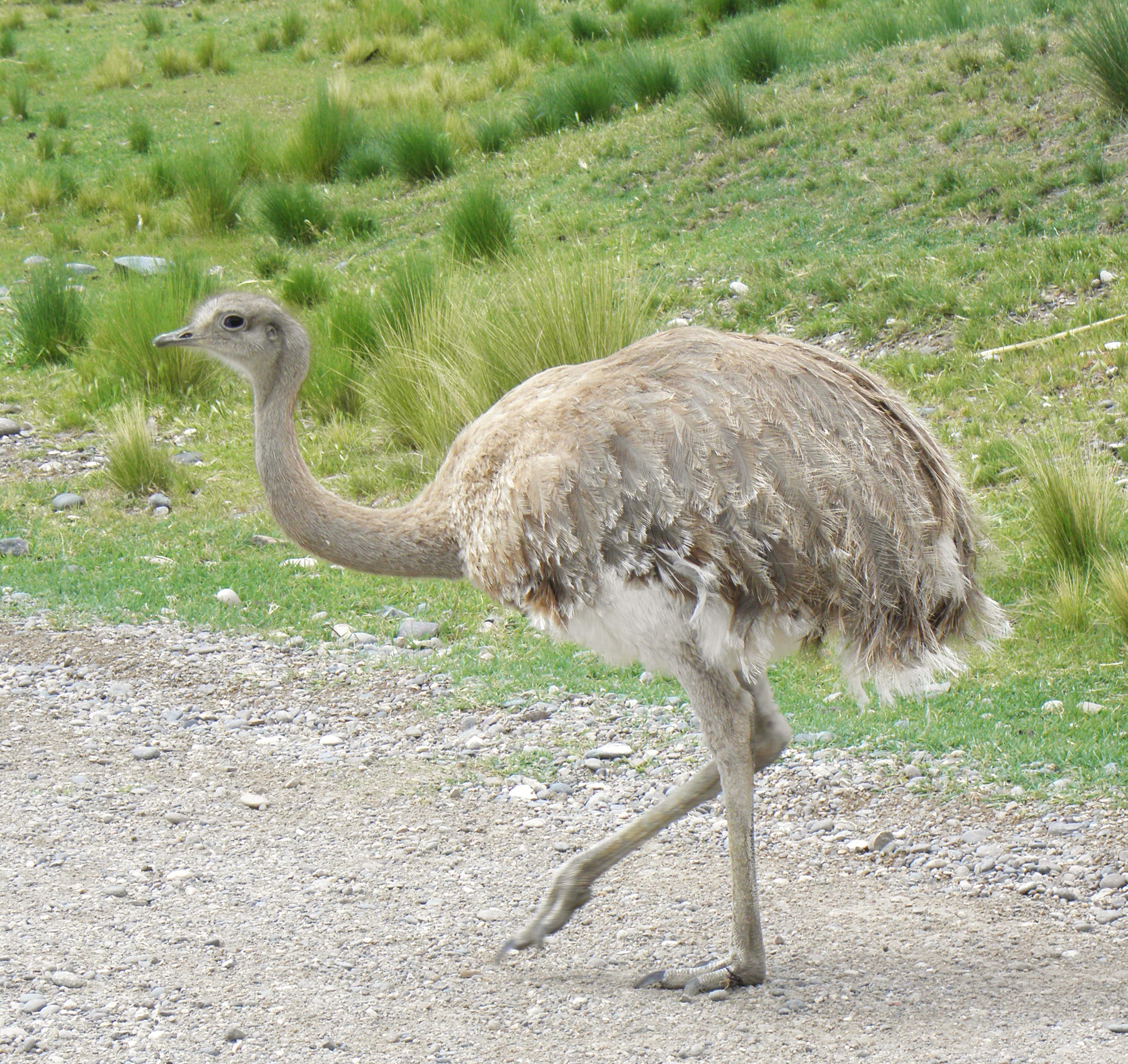
PATAGONIA NATIONAL PARK, Chile - Thirty-nine Darwin's rhea chicks were released into the steppes of Patagonia National Park in three operations during March and April, returning Chile's largest bird to a valley that spent more than a century as sheep and cattle country, according to Fundación Rewilding Chile, which announced the releases on 8 May.
The chicks arrived by air in February from the breeding centre at Quimán Reserve in Futrono, in the Los Ríos Region, and spent time in acclimatization pens in the Chacabuco Valley before release, the foundation said. The work is part of its Darwin's Rhea Conservation and Recovery Program, run with Chile's National Forestry Corporation (CONAF), the Agricultural and Livestock Service (SAG) and Quimán Reserve, with support from the Carabineros and the Chilean Army.
A Patagonian Darwin's rhea, or choique (Rhea pennata pennata), photographed for species identification. Not one of the birds released in Patagonia National Park in 2026. Photo: CHUCAO, via Wikimedia Commons (CC BY-SA 3.0). Source page: https://commons.wikimedia.org/wiki/File:Rhea_pennata_pennata_(6).JPG
A Mongabay video team that followed a women-led ranger group preparing an April release, the third of the year, described round-the-clock care at the park's rhea centre, including fencing angled to deter pumas and careful handling into transport crates before the birds walked out into the steppe. Rewilding Chile said members of communities around the park also took part, among them residents of Chile Chico, Puerto Ingeniero Ibáñez, Villa Cerro Castillo and Cochrane.
"The rhea in this region is endangered, and as long as that remains the case, efforts to strengthen the species and increase its population will continue, along with ongoing actions to protect and monitor its habitat and control threats such as harassment and attacks by dogs," Cristián Saucedo, director of Rewilding Chile's Wildlife Program, said in the foundation's release. "Everyone participating in this release understands that it represents an important stage in a year-round effort involving commitment, determination, and resources."
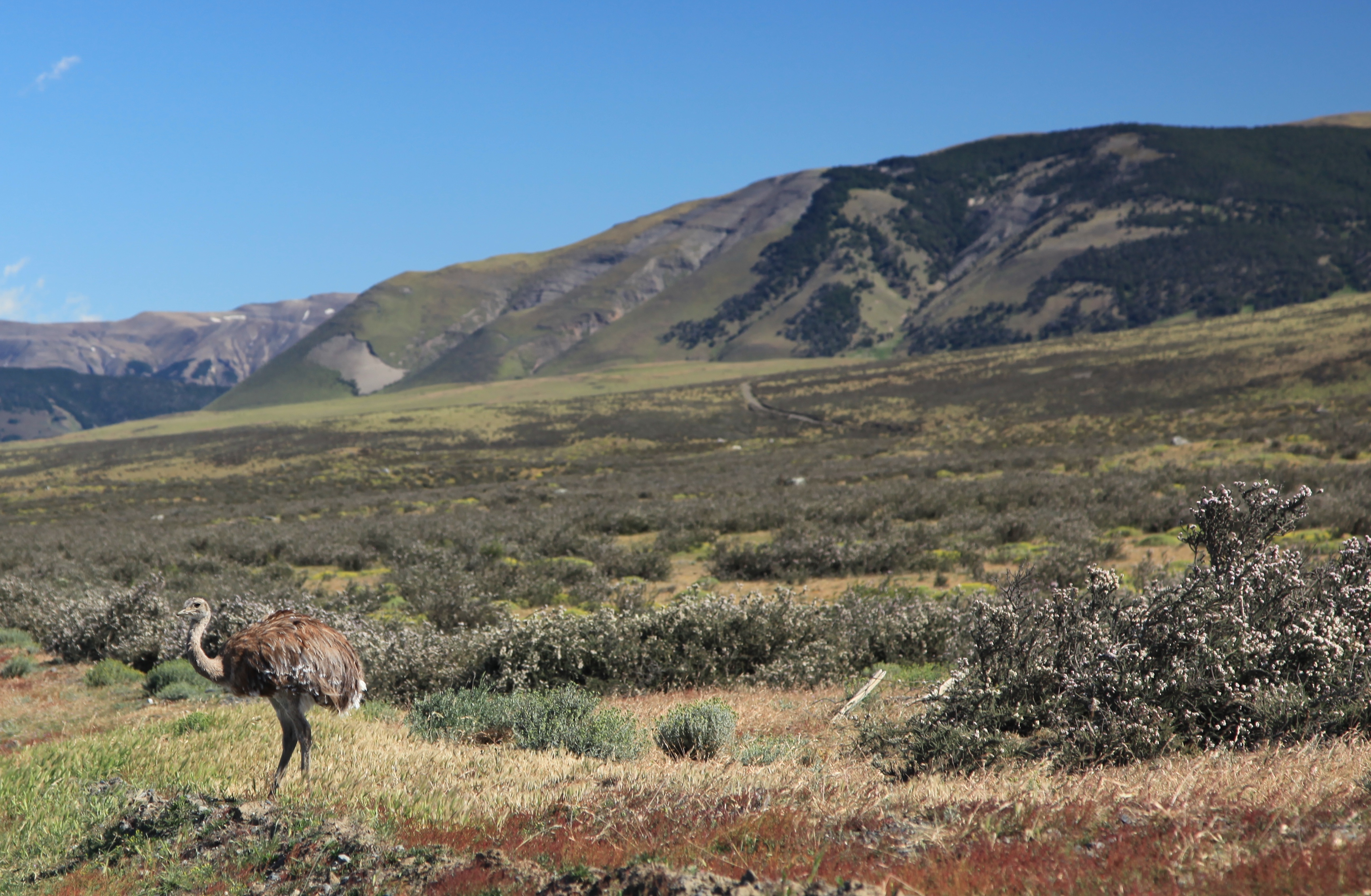
A Darwin's rhea near Torres del Paine National Park, Chile, 31 December 2010. Wild bird shown for species and habitat context; not a programme animal from Patagonia National Park. Photo: Liam Quinn, via Wikimedia Commons (CC BY-SA 2.0). Source page: https://commons.wikimedia.org/wiki/File:Lesser_Rhea_near_Torres_del_Paine_National_Park_(5483736509).jpg
Camila Lynch, a CONAF park ranger at Patagonia National Park, said the releases "represent a significant milestone for the ecosystems of this territory, because conservation is not only a task but a shared responsibility, and we are grateful for the coordinated and sustained work of the different organizations involved."
The programme began in 2014, when the Chacabuco Valley was shifting from a livestock ranch into a national park. In 2025 it carried out its first translocation of birds from Argentina, Rewilding Chile said, and this year Peruvian specialists from the National Forest and Wildlife Service (Serfor), Martín Zambrano and Gabriel Bazán, took part for the first time. They are working to strengthen the critically endangered northern rhea, or suri (Rhea pennata tarapacensis), in southern Peru and came to exchange experience on breeding and release.
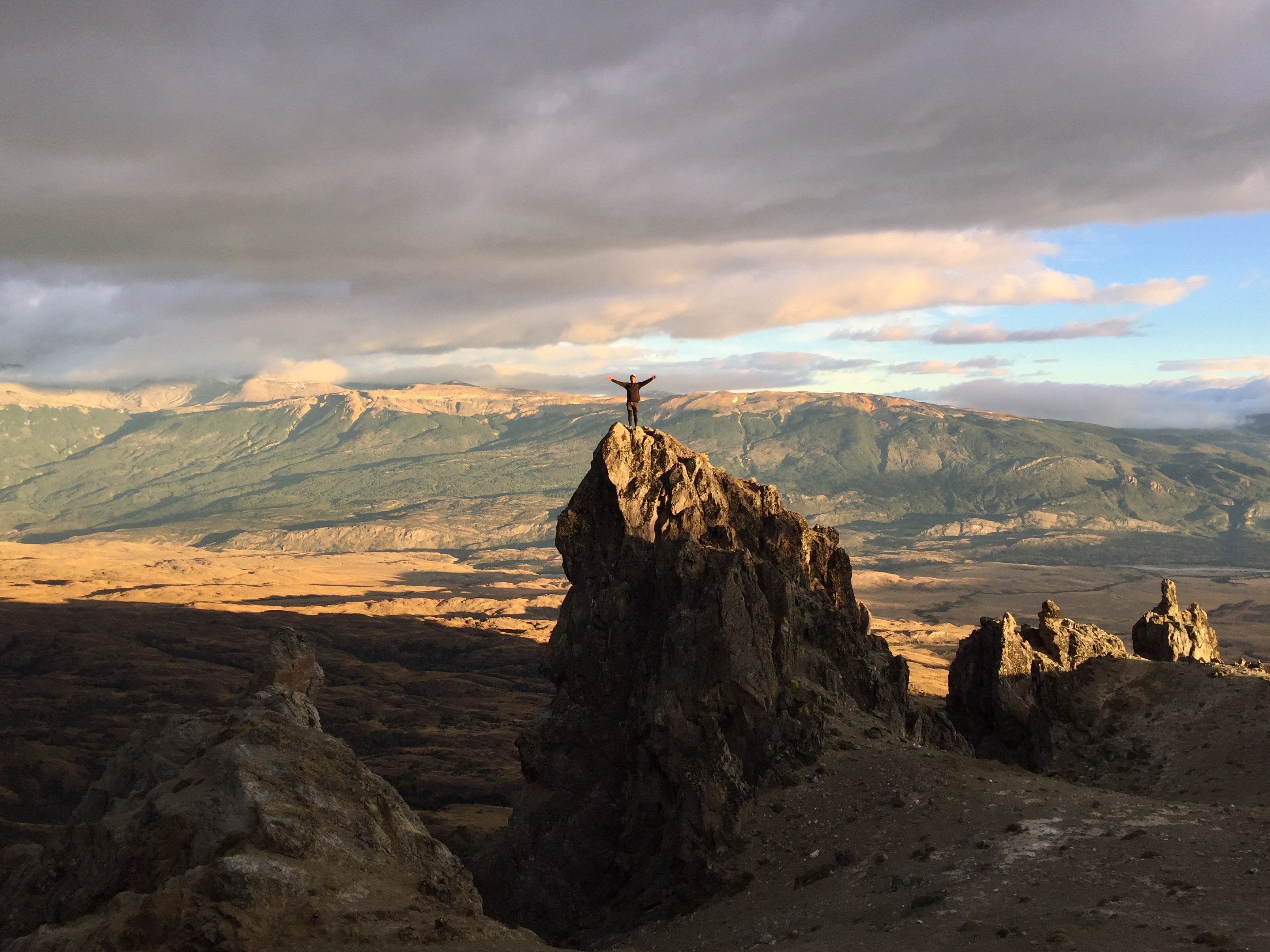
The Lagunas Altas trail in Chacabuco Valley, Patagonia National Park, Chile, 4 February 2018. Habitat of the release area; not a photograph of the acclimatization pens or released birds. Photo: Gonzalo Lastra, via Wikimedia Commons (CC BY-SA 4.0). Source page: https://commons.wikimedia.org/wiki/File:Valle_de_Chacabuco,_Parque_Patagonia.jpg
After release, the foundation's wildlife team monitors how the chicks behave and whether they join wild groups grazing in the Entrada Baker sector. One female released last year and fitted with a GPS collar, nicknamed "The Argentine," has ranged across more than 247,105 acres, linking Valle Chacabuco with Paso Zeballos in Argentina and the Jeinimeni sector, and revealing a seasonal altitudinal movement the programme hopes to study further, Rewilding Chile said.
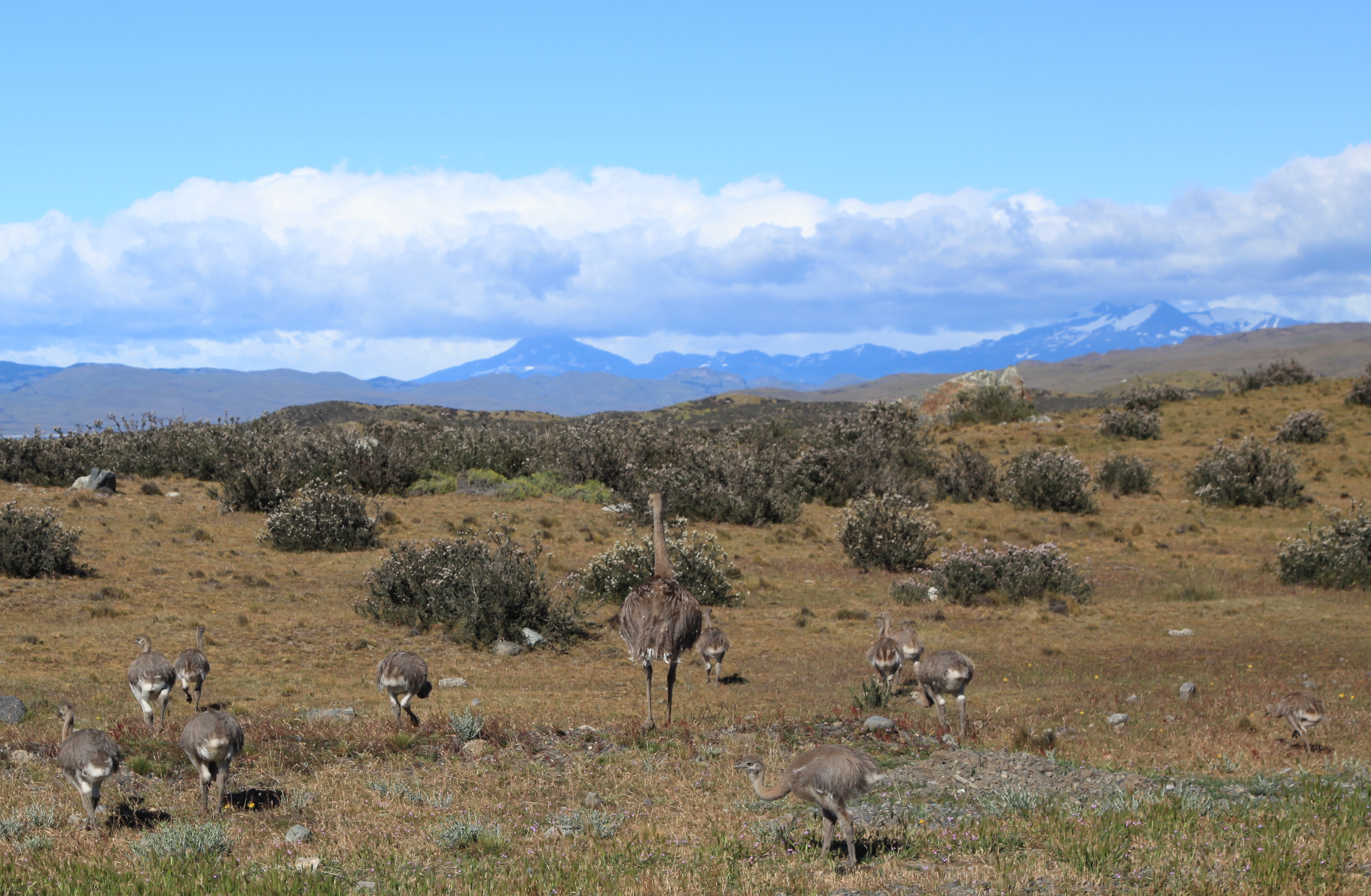
Darwin's rheas near Torres del Paine National Park, Chile, 31 December 2010. Species context only; not birds from the 2026 Patagonia National Park releases. Photo: Liam Quinn, via Wikimedia Commons (CC BY-SA 2.0). Source page: https://commons.wikimedia.org/wiki/File:Lesser_Rheas_near_Torres_del_Paine_National_Park.jpg
The Darwin's rhea, a flightless bird and Chile's largest, helps rebuild steppe ecosystems as it travels long distances for insects, leaves and fruits and disperses seeds in its droppings, the foundation said. Vinskovita Jorquera, one of 15 residents from Chile Chico who travelled more than 200 miles for a release, described opening a transport crate with another participant as the moment that brought her to tears in the drizzle.
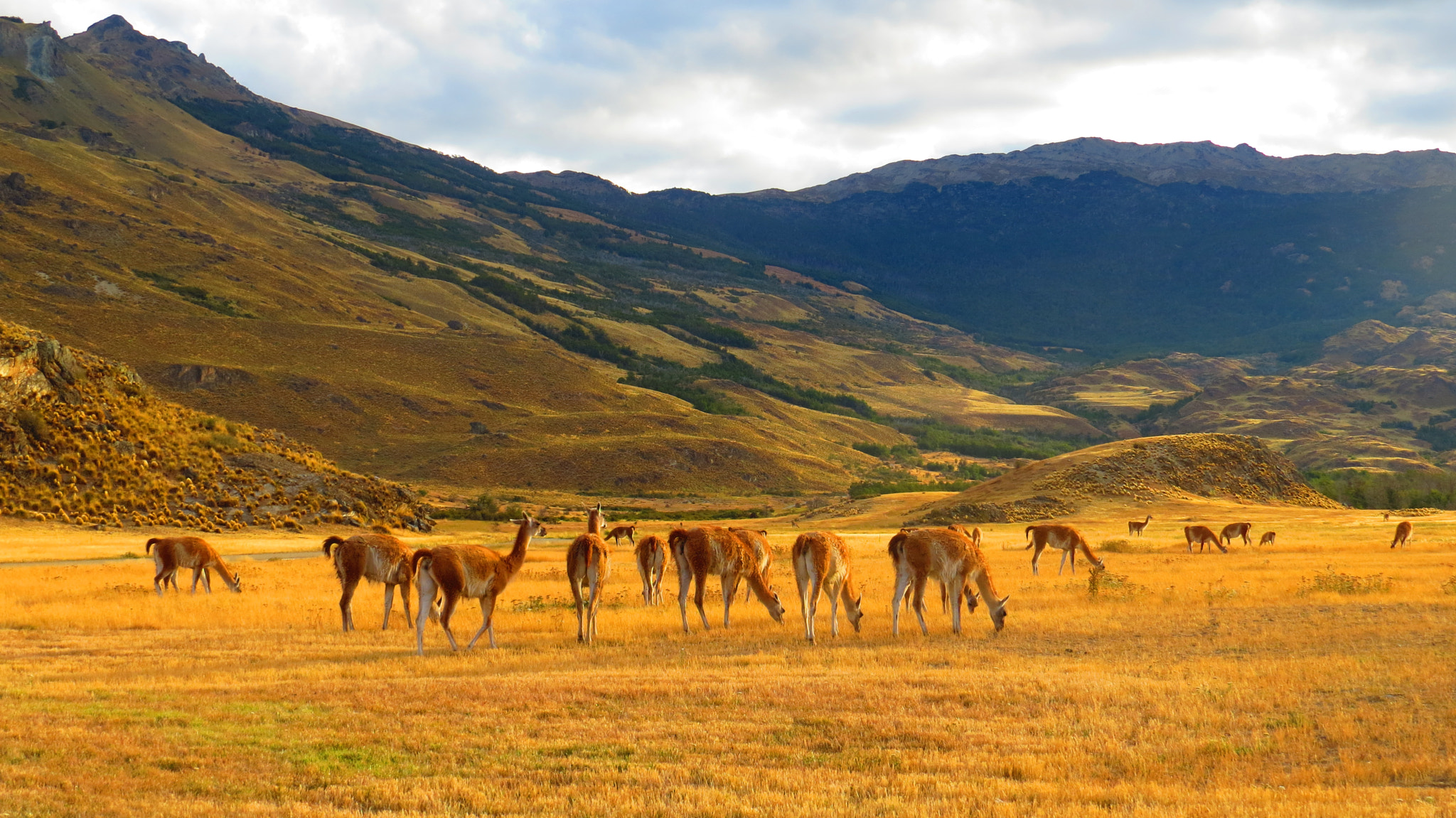
Guanacos at dusk in Parque Patagonia, Aysén Region, Chile, 16 February 2018. Habitat context; rheas share the steppe with guanacos, according to field accounts of the programme, but this image shows guanacos only. Photo: Rosario Nieto Chadwick, via Wikimedia Commons (CC BY 3.0). Source page: https://commons.wikimedia.org/wiki/File:Guanacos_Parque_Patagonia_(248844965).jpeg
The primary record is Fundación Rewilding Chile's news release of 8 May 2026 (https://www.rewildingchile.org/en/news/darwins-rhea-population-reinforced-with-three-new-releases-in-patagonia-national-park/). A Mongabay video of 10 October 2026 followed the women-led ranger team through an April release (https://news.mongabay.com/video/2026/10/these-women-are-bringing-darwins-rheas-back-to-chilean-patagonia/). Photographs on those pages are not reproduced here; the images above are Wikimedia Commons files chosen for species and habitat context.
- environment
- conservation
- chile
- south-america
- wildlife
- birds
- reintroduction
- rewilding
.JPG)
.jpg)


.jpeg)