
Giant Anteater Returns to Argentina's Alma Guaraní Reserve After Nearly Four Decades
Camera traps at Alma Guaraní Natural Reserve in Corrientes, Argentina, recorded a giant anteater in 2025 for the first time since 1986, a Restoration Ecology study links to passive and active restoration begun in 2021 in the humid Gran Chaco.
Just News Desk, Correspondent||4 min read
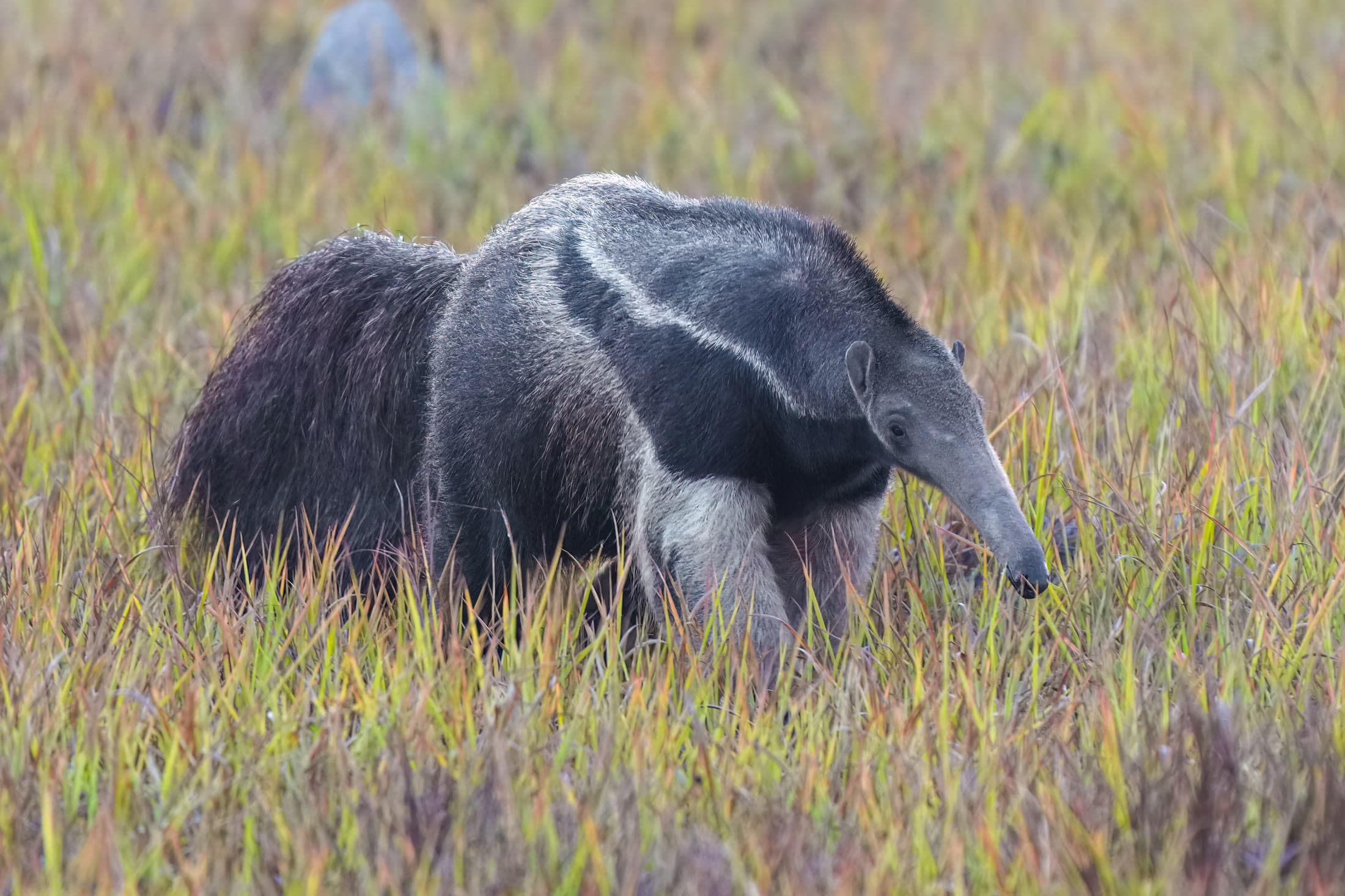
CORRIENTES, Argentina - A giant anteater has been recorded at Alma Guaraní Natural Reserve in northwestern Corrientes province for the first time since 1986, according to a peer-reviewed study in Restoration Ecology that links the spontaneous return to restoration work begun at the humid Gran Chaco reserve in 2021.
Researchers deployed 20 camera-trap stations across three habitat zones from November 2024 to October 2025. The cameras documented Myrmecophaga tridactyla in the reserve's central sector, in an area under passive restoration. The paper, by Verónica L. Romero, Rosario Montiel and colleagues, was published online on 6 May 2026 (DOI 10.1111/rec.70415). Mongabay reported the findings on 17 September 2026.
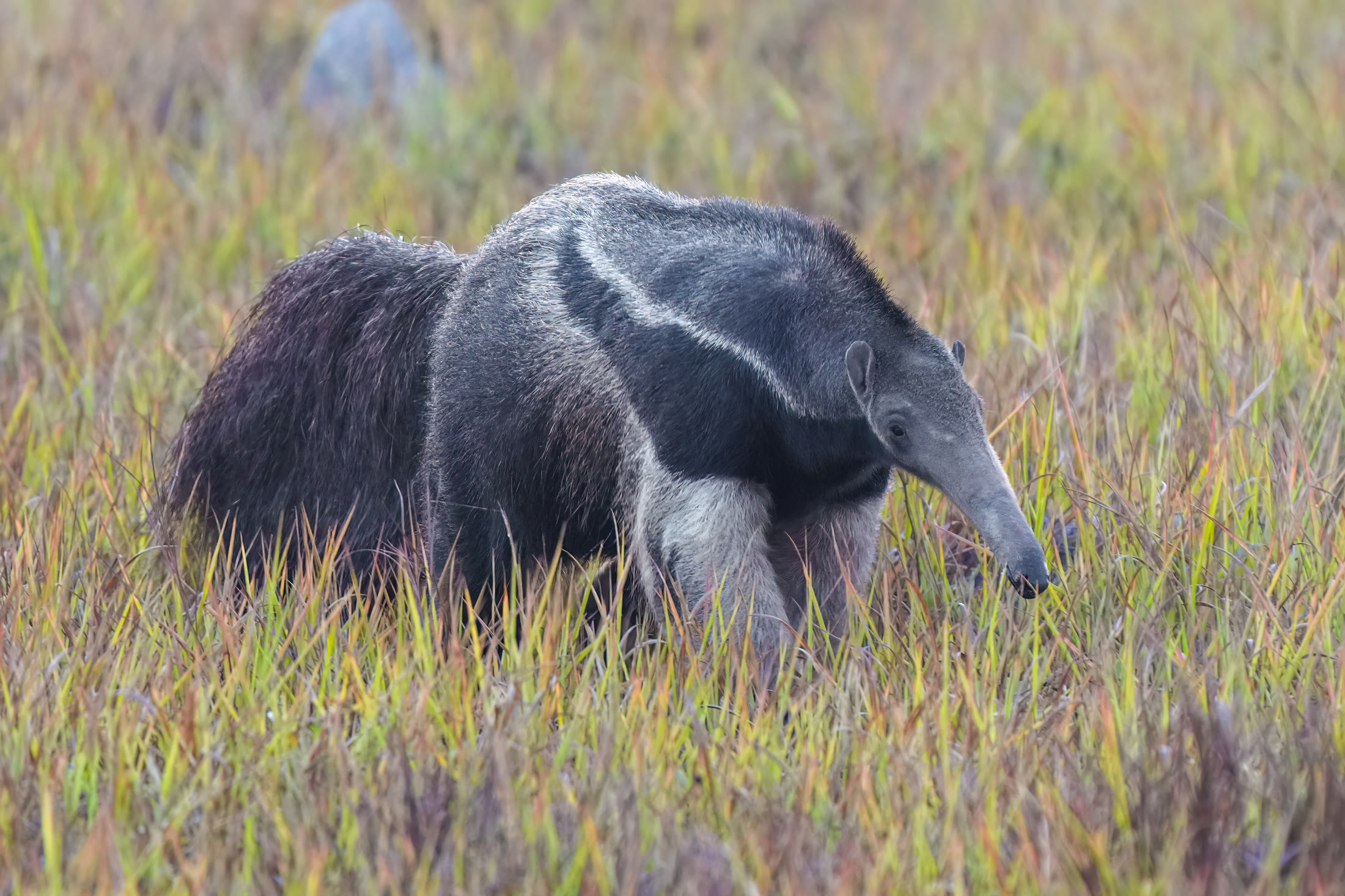
Giant anteater (Myrmecophaga tridactyla) in Encontro das Águas State Park, Mato Grosso, Brazil. Photo: © Giles Laurent, gileslaurent.com, via Wikimedia Commons (CC BY-SA 4.0). Source page: https://commons.wikimedia.org/wiki/File:037_Giant_anteater_in_Encontro_das_%C3%81guas_State_Park_Photo_by_Giles_Laurent.jpg
Alma Guaraní covers about 6,400 hectares (roughly 15,800 acres) of wetlands and savannas in the humid portion of the Gran Chaco. Volunteer-led conservation has operated there for more than a decade. In 2021 the team began a mixed restoration program: more than 150 hectares of passive restoration, fenced to exclude livestock, free-roaming dogs, hunting and fishing so vegetation could recover on its own; and about 11 hectares of active restoration, where 11 native tree species were planted in areas degraded by wildfires.
Montiel, of the National University of the Northeast and a co-author of the study, told Mongabay the record was spontaneous. "It was the first register of the giant anteater in 40 years in Corrientes province, and it was spontaneous," she said. "We think that in this area, in this reserve, this animal has found food and all its needs to settle there." The study reports that the animal mostly used passively restored habitat, where structural recovery (including bromeliad mats and decaying wood) favored ant populations, the anteater's principal prey.
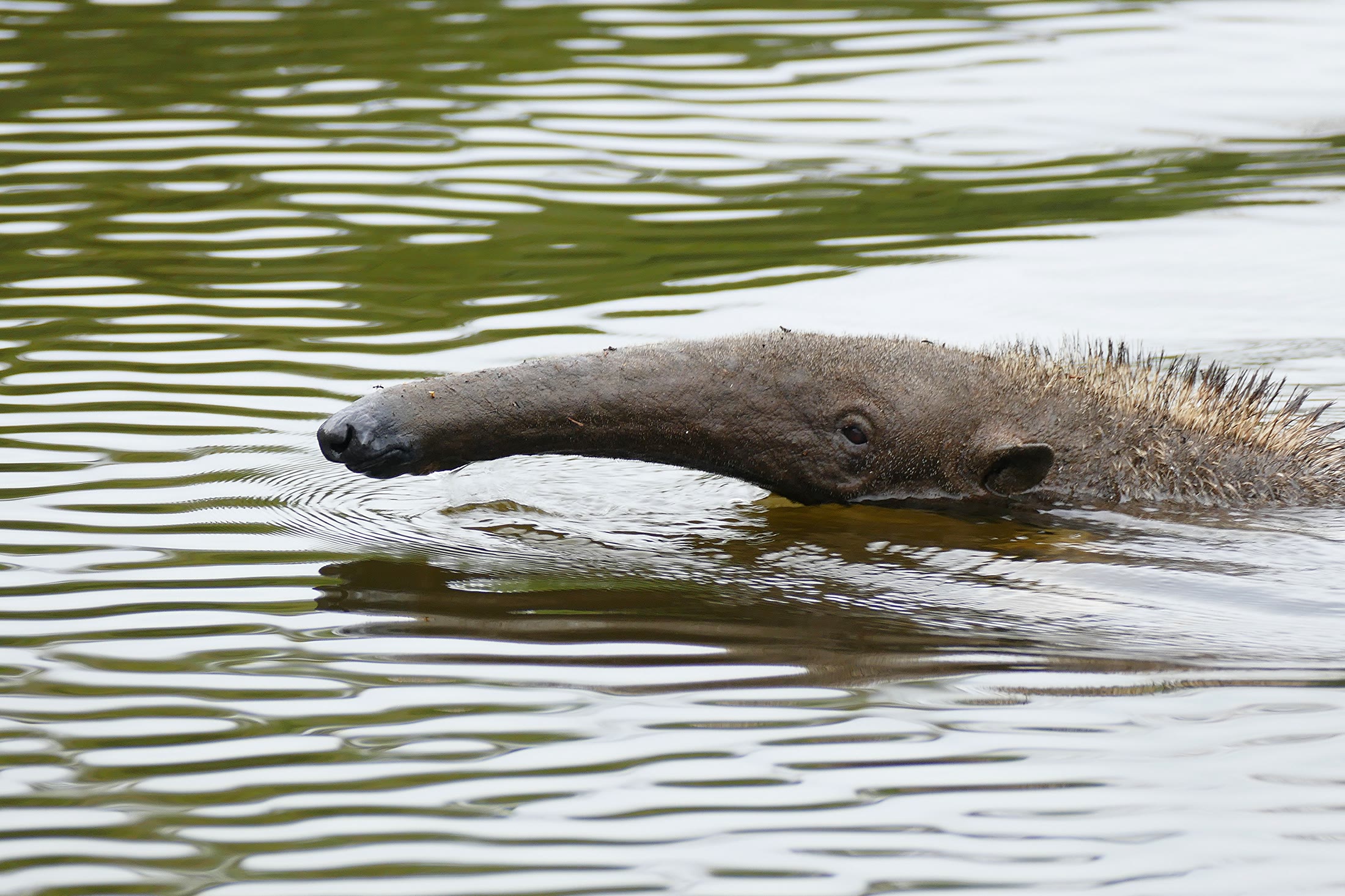
Giant anteater crossing the Rio Pixaim, Transpantaneira, Mato Grosso, Brazil. Study authors suggest the Alma Guaraní individual, thought to be a male, may have crossed from neighboring Chaco province when Paraná River levels hit a historical low in 2024. Photo: Bernard Dupont, via Wikimedia Commons (CC BY-SA 2.0). Source page: https://commons.wikimedia.org/wiki/File:Giant_Anteater_(Myrmecophaga_tridactyla)_crossing_the_Rio_Pixaim_..._-_Flickr_-_berniedup.jpg
The species is listed as Vulnerable on the IUCN Red List. Habitat loss from agriculture and cattle ranching remains the main pressure across Argentina and the wider Gran Chaco, compounded by roads, hunting, and capture for the pet trade. Independent researcher Verónica Quiroga of Argentina's National Scientific and Technical Research Council, who was not involved in the study, cautioned Mongabay that a single animal does not yet prove population recovery. Continuous monitoring will be needed to learn whether more individuals, including females and offspring, appear.
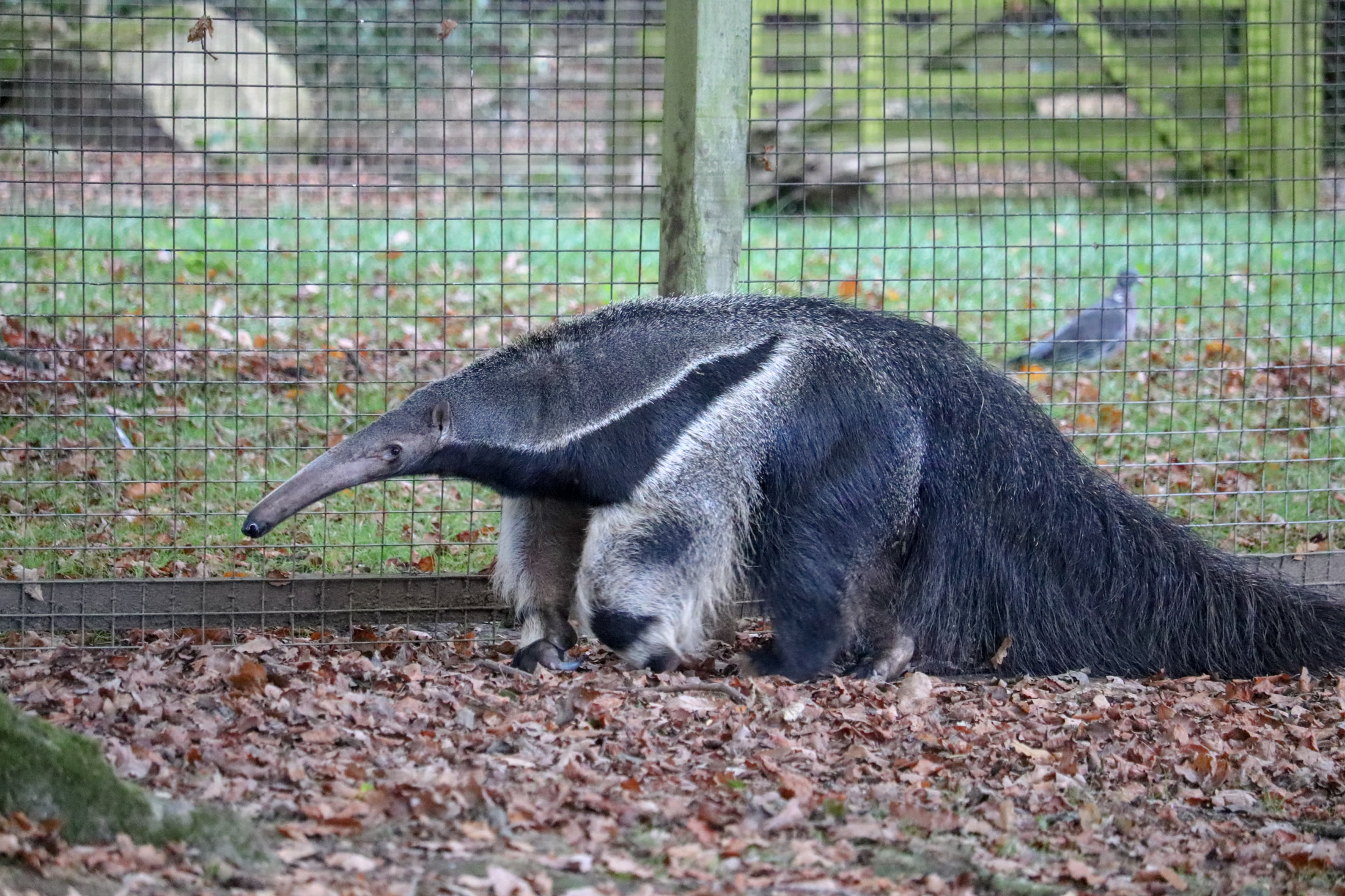
Giant anteater (Myrmecophaga tridactyla). Photo: Vauxford, via Wikimedia Commons (CC BY-SA 4.0). Source page: https://commons.wikimedia.org/wiki/File:Giant_Anteater_(Myrmecophaga_tridactyla)_(CWPG).jpg
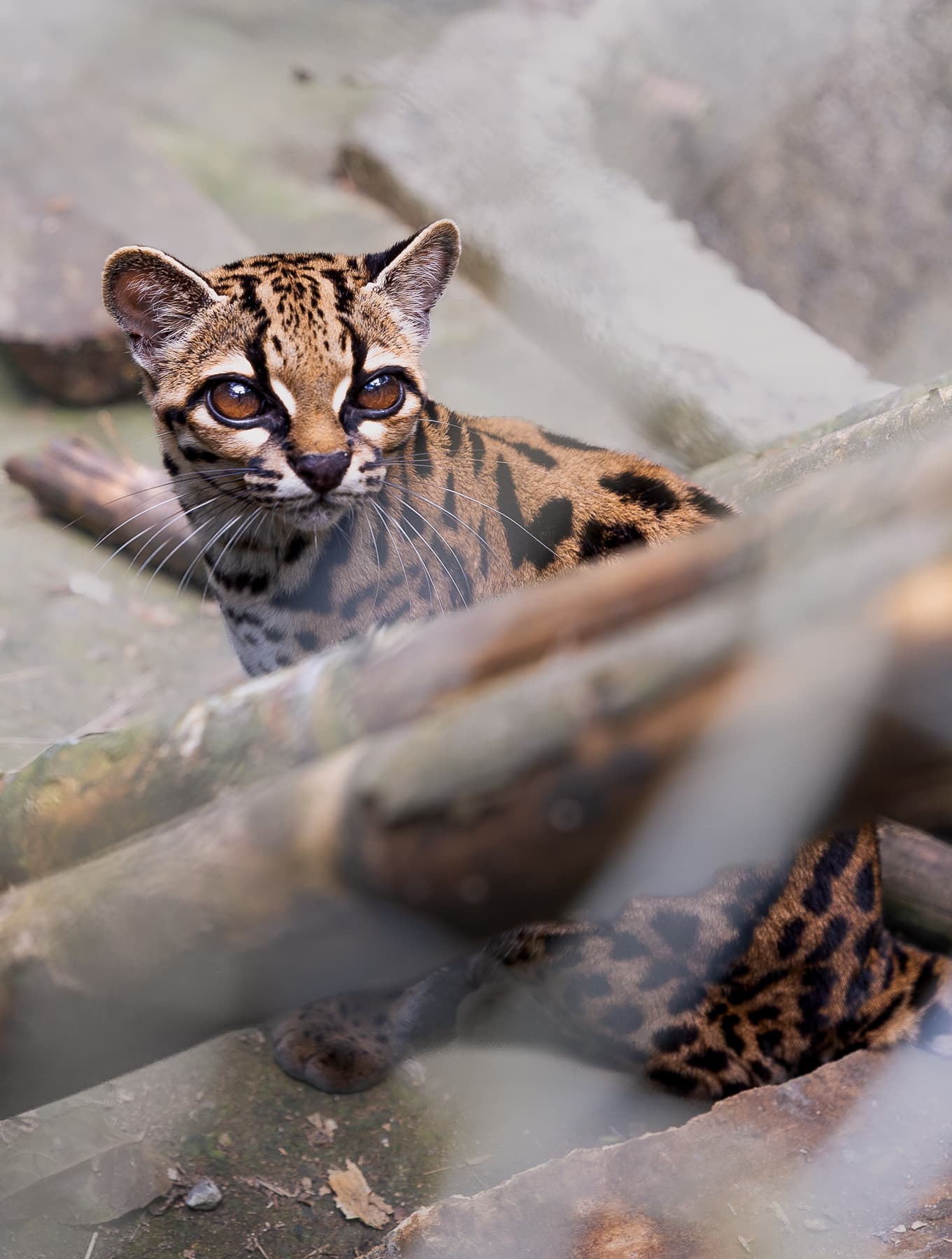
The authors argue that integrated restoration creates stepping stones through productive landscapes and may strengthen connectivity between the Iberá wetlands and the Gran Chaco. Camera traps at Alma Guaraní have also recorded nine-banded armadillo, Geoffroy's cat, jaguarundi and puma. Montiel said the team is considering future reintroductions of female anteaters, but surrounding land uses, including free-roaming dogs, still limit safe movement between forest fragments.
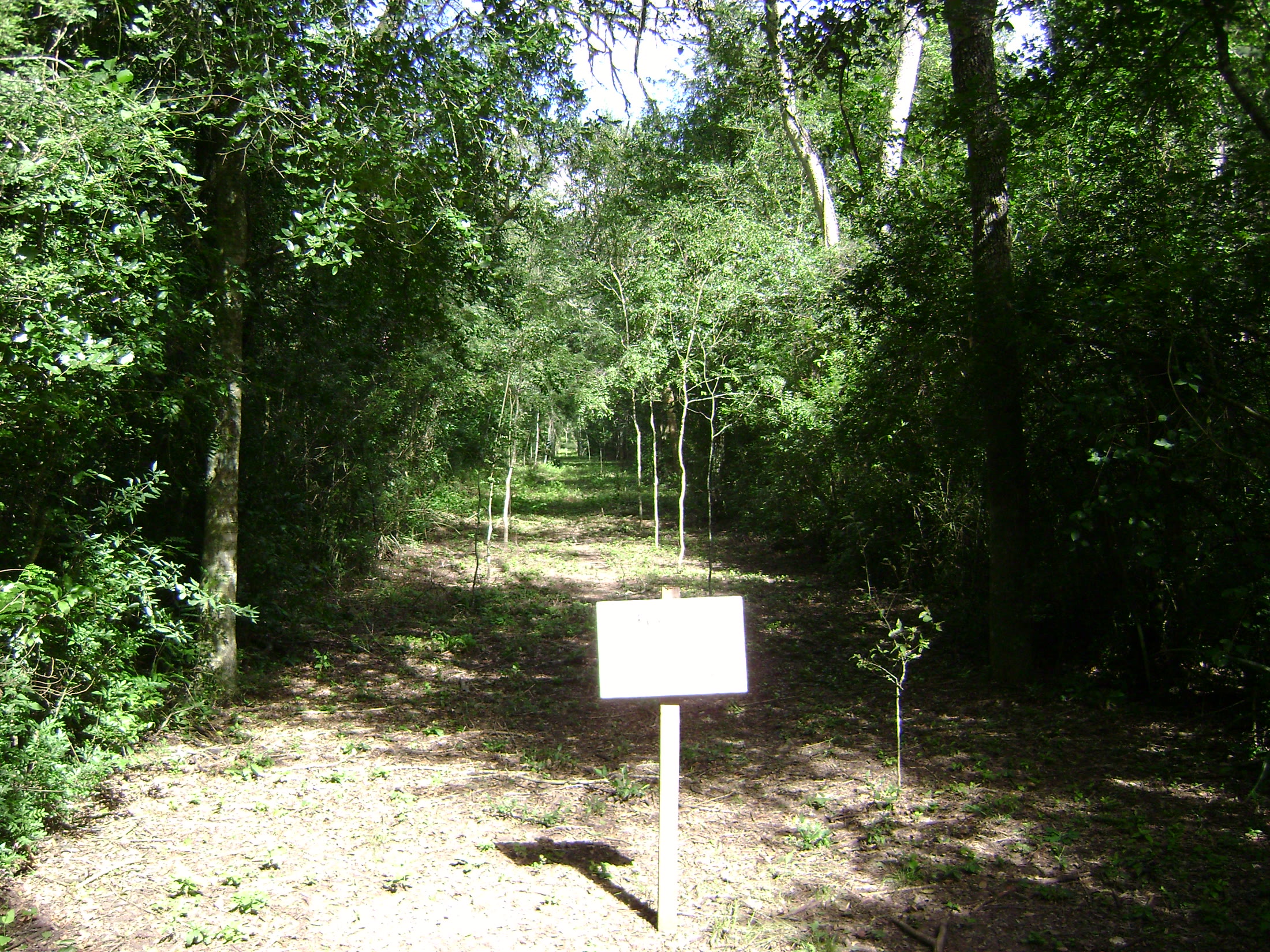
Enrichment planting with native species in Argentine Chaco woodland (parque chaqueño), illustrative of the kind of structural recovery conservationists seek in the region. Photo: Gerardo Forestal, via Wikimedia Commons (CC BY-SA 4.0). Source page: https://commons.wikimedia.org/wiki/File:Fajas_en_bosque_nativo.jpg
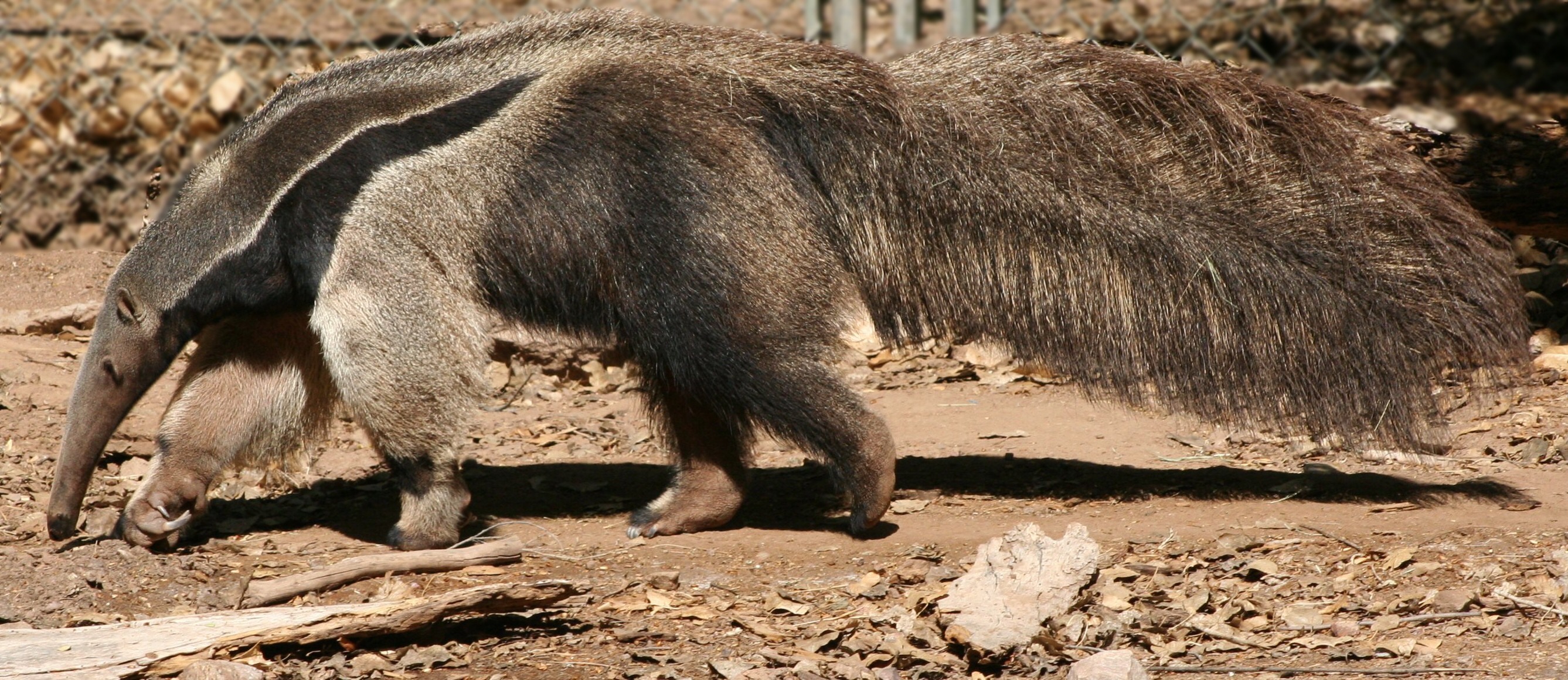
Giant anteater (Myrmecophaga tridactyla), photographed at the Phoenix Zoo, Arizona. Photo: Dave Pape, via Wikimedia Commons (public domain). Source page: https://commons.wikimedia.org/wiki/File:Myrmecophaga_tridactyla_-_Phoenix_Zoo.jpg
For now the measurable claim is carefully bounded: one Vulnerable mammal, absent from confirmed local records for nearly four decades, walked back into a restored corner of Corrientes' humid Chaco after livestock, dogs and hunting were held at the fence line and native woodland was given room to grow.
Sources
- Romero et al., Restoration Ecology: Integrating restoration techniques and wildlife monitoring: first record of the giant anteater (Myrmecophaga tridactyla) in the Alma Guaraní Reserve, Argentine Humid Chaco (DOI 10.1111/rec.70415; published online 6 May 2026)
- Mongabay: A giant anteater's return in Argentina offers a case for letting nature restore itself (Sean Mowbray, 17 Sep 2026)
- Crossref metadata for DOI 10.1111/rec.70415 (authors, abstract, publication dates)
- environment
- conservation
- wildlife
- argentina
- restoration
- biodiversity
- gran-chaco

_crossing_the_Rio_Pixaim_..._-_Flickr_-_berniedup.jpg)
_(CWPG).jpg)

