Fifty Years On, a Cambridgeshire Estate Counts More Than 5,000 Species
The National Trust says wildlife surveys at its Wimpole estate in Cambridgeshire have now recorded 5,242 species, from rare barbastelle bats to a pygmy ant known from only one other British site, as the charity marks 50 years of caring for the working farm and historic parkland.
Just News Desk, Correspondent||4 min read
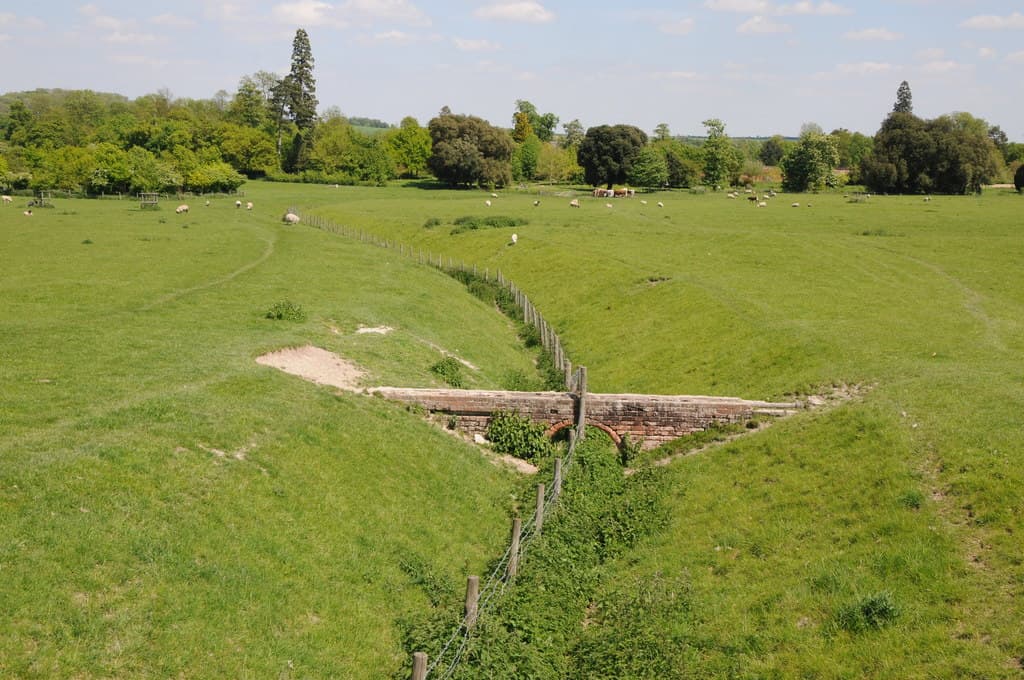
WIMPOLE, England - On an estate in one of England's driest and most nature-depleted counties, where a working farm, a historic estate and a popular visitor attraction share the same ground, wildlife surveyors have now recorded 5,242 species. The National Trust, which announced the figure on Wednesday as it marks 50 years of caring for its Wimpole estate in Cambridgeshire, said the count reflects decades of habitat restoration and nature-friendly farming, and that it kept climbing even as East Anglia endured a succession of droughts.
The tally, compiled since records began across the estate's parkland, farmland, woodland and wetlands, runs from rare barbastelle bats and great crested newts to tiny insects, fungi and wildflowers, according to the Trust. Among the estate's more remarkable residents, it said, is a pygmy ant recorded at only one other site in Britain, and the endangered rusty red click beetle, which lives in the decaying wood of veteran trees.
"Recording more than 5,000 species is remarkable in any landscape, but particularly here in Cambridgeshire, where wildlife is facing the combined pressures of habitat loss and increasingly hot, dry conditions," said David Hassall, the Trust's general manager at Wimpole. "But it isn't just about reaching a number. What makes Wimpole special is the abundance of wildlife people can experience here."
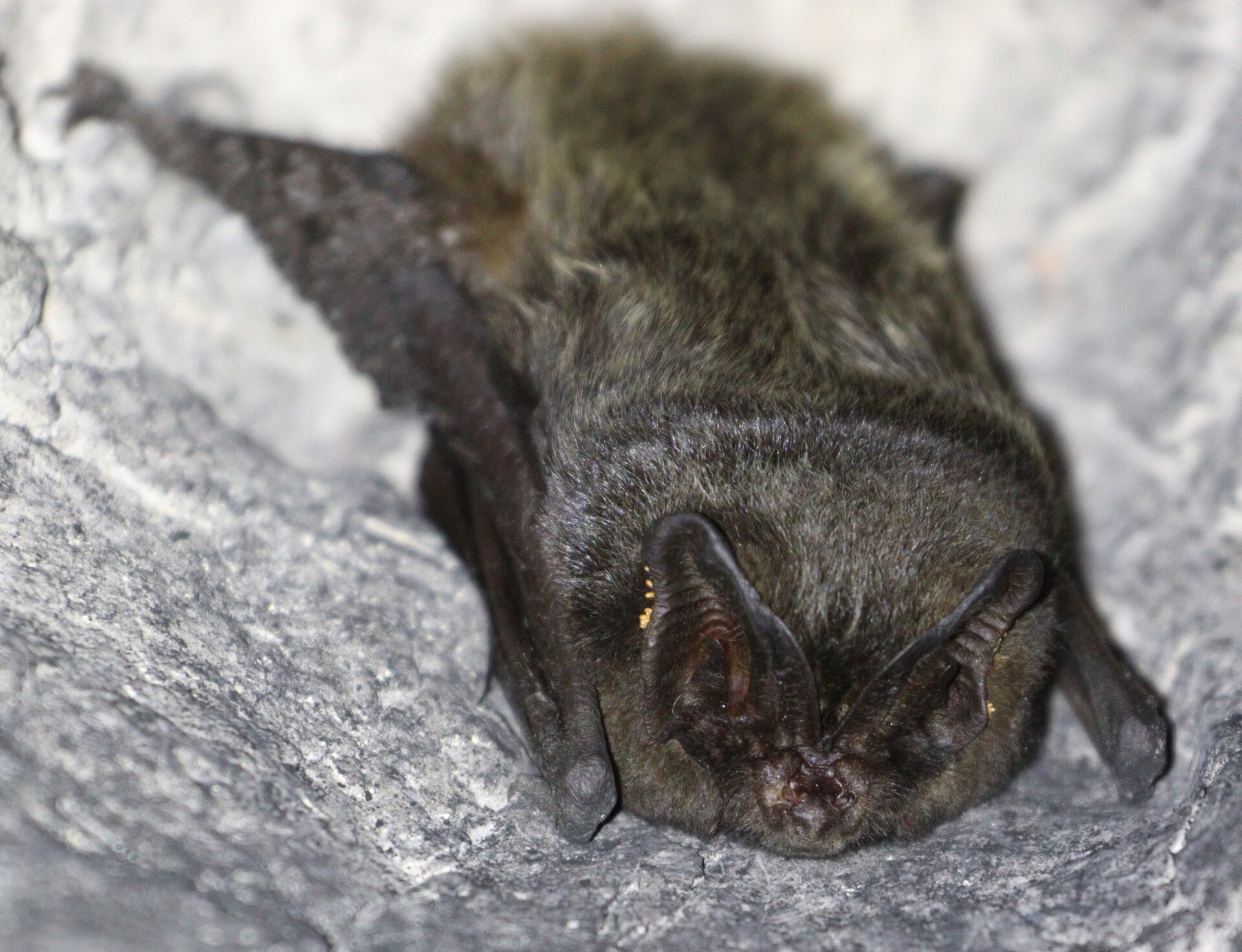
A western barbastelle bat (Barbastella barbastellus), one of Britain's rarest bats and a species the National Trust says lives in Wimpole's protected woods. This photograph was not taken at Wimpole and is shown for illustration. Photo: Jan Ebr, Jan. 19, 2023, CC BY 4.0, via Wikimedia Commons. Source page: https://commons.wikimedia.org/wiki/File:Barbastella_barbastellus_252677624.jpg
The Trust attributes much of the gain to work to restore, create and connect habitats over five decades. Since 2021 alone, it said, the estate has planted 125,000 trees and created 35 hectares of woodland and 52 hectares of wood pasture, with a further 77 hectares of tree planting in detailed design. Those projects sit alongside the management of existing chalk grassland and wetland.
The organic farm, the Trust said, is part of the story. Corn buntings, a farmland bird that has declined sharply across Britain as agriculture intensified, continue to breed in Wimpole's fields. The estate is home to 10 species of bumblebee, to butterflies including the marbled white, silver-washed fritillary and white-letter hairstreak, and to 330 species of wildflower, among them Venus's-looking-glass, a violet-blue arable flower now rare in modern farmland. Three dragonfly species have been newly recorded, and the Trust described Wimpole as one of its best properties nationally for aphids and plant hoppers, small insects near the base of the food chain.
In spring, great crested newts breed in the ponds of South Park. The barbastelle, a bat so sensitive to disturbance that its presence has helped earn Wimpole's woods international protection status, lives in the estate's protected woods, according to the Trust.
"That richness of life is all the more encouraging because Wimpole is a working estate, producing food and welcoming visitors as well as caring for wildlife," Mr. Hassall said. "It reflects five decades of careful stewardship and shows that nature can flourish alongside farming, public access and heritage conservation."
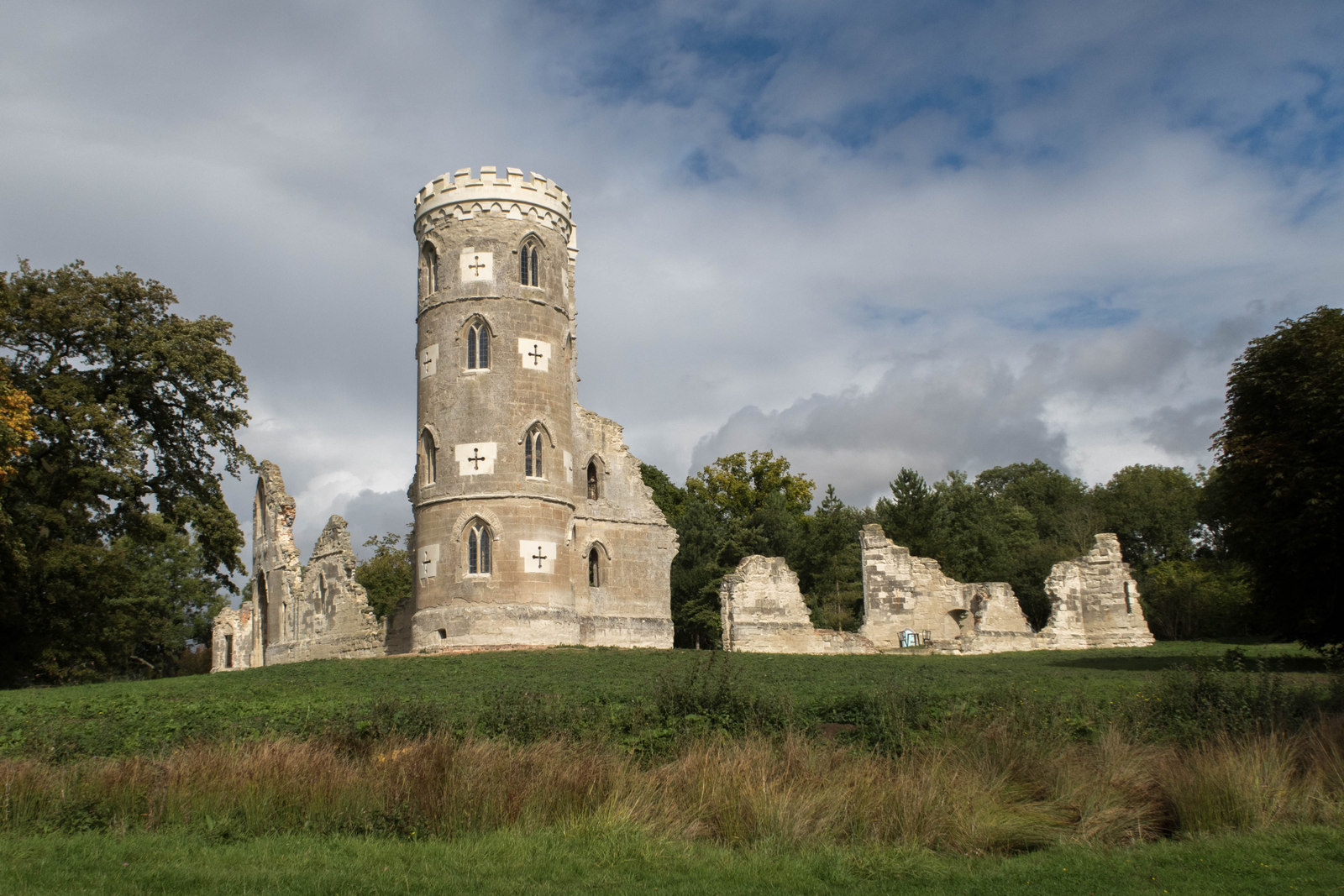
The Gothic folly in the park at Wimpole Hall, Cambridgeshire, Sept. 14, 2015. Photo: Kim Fyson, CC BY-SA 2.0, via Wikimedia Commons (Geograph). Source page: https://commons.wikimedia.org/wiki/File:Folly_at_Wimpole_Hall_-_geograph.org.uk_-_4669594.jpg
The count is also feeding a wider scientific effort. For more than a year, Wimpole's rangers have worked with the Wellcome Sanger Institute on UK BIOSCAN, a project using DNA barcoding to study one million flying insects from across Britain. "Insects are easy to overlook, but they're the hidden engine of every ecosystem," said the institute's BIOSCAN science lead, identified in the Trust's release as Lyndall Pereira da Conceicoa. She added that "sites like Wimpole are valuable places to sample from as their insect communities add real depth to the national picture we're building."
Ben McCarthy, the National Trust's head of nature conservation, said the significance of the figure lay less in the number than in what it suggested. "Recording more than 5,000 species at Wimpole is a remarkable milestone, but its real significance lies in what it tells us about nature's capacity to recover," he said. "Places like Wimpole demonstrate the value of taking a long-term approach to nature recovery."
The Trust paired the announcement with a call for the British government to make climate resilience a national mission led at cabinet level and to invest in nature as essential infrastructure, a reminder that the pressures on places like Wimpole have not eased. For now, on a summer walk across parts of the estate, Mr. Hassall said, visitors can see thousands of butterflies.
Source: National Trust, "Cambridgeshire estate records over 5,000 species of wildlife, after 50 years of care," press release, Oct. 21, 2026, https://www.nationaltrust.org.uk/services/media/2026/october/cambridgeshire-estate-records-over-5000-species-of-wildlife-after-50-years-of-care . The National Trust's own release photograph (National Trust Images/Bat Conservation Trust/Hugh Clark) is not used because it is not openly licensed; the images shown are openly licensed Wikimedia Commons photographs.
- environment
- nature
- biodiversity
- united-kingdom
- conservation
- farming