Four California Condors Take Flight at Vermilion Cliffs as Partners Mark 30 Years of Recovery
On 26 September 2026, four captive-bred juvenile California condors took flight at Vermilion Cliffs National Monument in northern Arizona, marking 30 years of Arizona-Utah recovery releases that have helped lift the species from 22 birds in the late 1980s to more than 600 today.
Just News Desk, Correspondent||5 min read
VERMILION CLIFFS NATIONAL MONUMENT, Ariz. - Four captive-bred juvenile California condors took flight here on 26 September, joining a wild Arizona-Utah flock that partners have been rebuilding for three decades, according to the Bureau of Land Management and The Peregrine Fund. The release, held on National Public Lands Day at the Condor Viewing Site, marked the 30th anniversary of the first Arizona releases in December 1996, when six young birds became the start of a population that had vanished from the state.
The Bureau of Land Management Arizona described the day as a milestone for one of the nation's largest collaborative wildlife recovery efforts. Hundreds of visitors, partners, volunteers and agency staff gathered in person, the bureau said in a 15 October blog post, while The Peregrine Fund later reported a crowd that grew to nearly 900 people, a Boise watch party of about 50, and a livestream that drew 4,658 views. A partnership with the Cornell Lab of Ornithology's Merlin Bird ID app also carried news of the release to tens of thousands of users in western states.
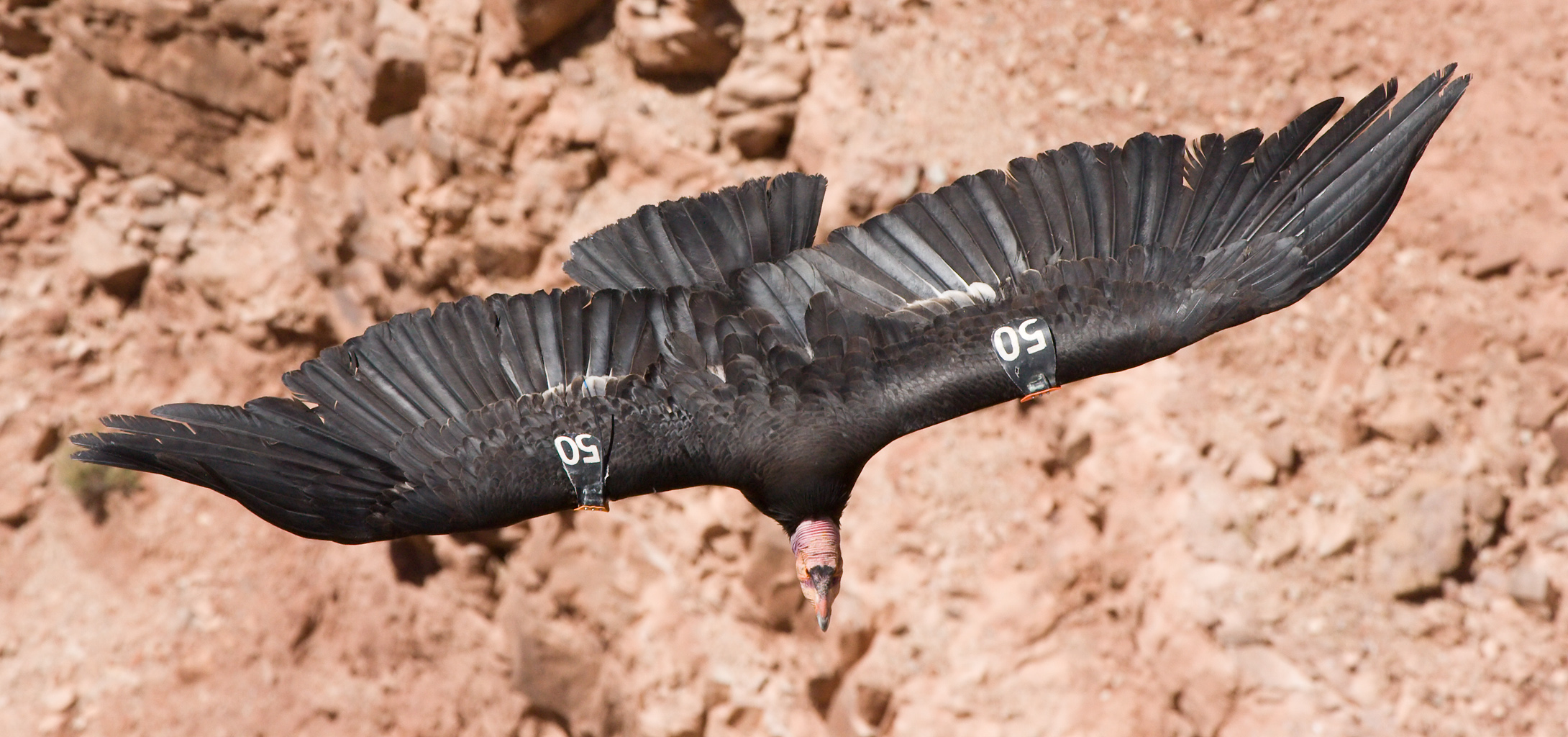
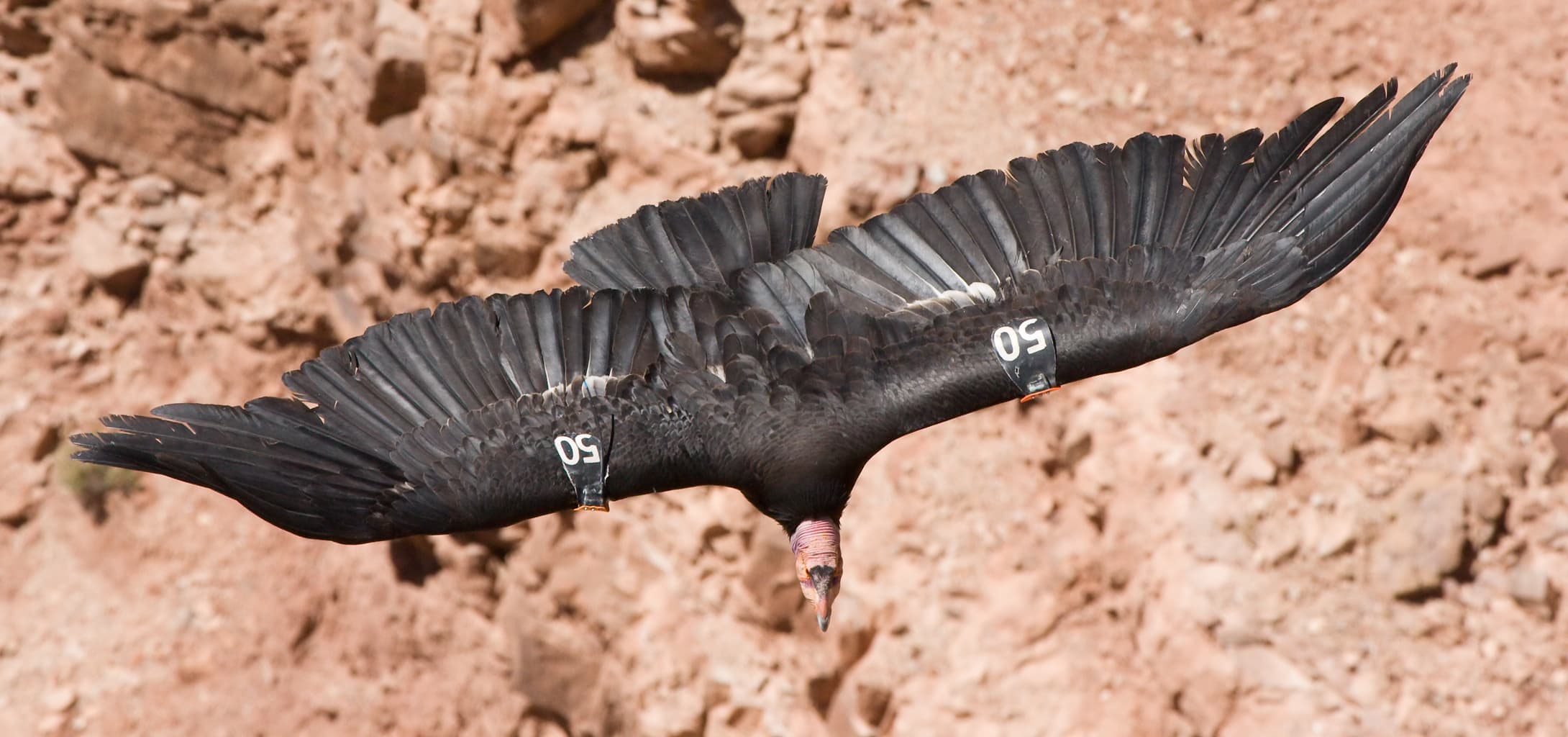
A California condor (Gymnogyps californianus) in flight, photographed from Navajo Bridge at Marble Canyon in northern Arizona, near the Vermilion Cliffs recovery landscape. Photo: Christian Mehlführer (User:Chmehl), via Wikimedia Commons (CC BY-SA 3.0). Source page: https://commons.wikimedia.org/wiki/File:Californian_Condor_50_MC.jpg
In the late 1980s only 22 California condors remained, the bureau recounted. Captive breeding, habitat management, monitoring and public outreach followed through a partnership that includes BLM Arizona and Utah, The Peregrine Fund, the Arizona Game and Fish Department, the U.S. Fish and Wildlife Service, the National Park Service, the Utah Division of Wildlife Resources and tribal nations. Today, according to the bureau, the global population has grown to more than 600 birds, with 392 flying free across four release sites. The Peregrine Fund, in an 18 October account of the same release, said nearly 100 condors now fly free across Arizona and Utah and that more than half of the world's more than 600 California condors live in the wild.
The four birds released this year, Condors 1365, 1341, 1382 and 1353, were hatched and raised at The Peregrine Fund's Propagation Facility at the World Center for Birds of Prey in Boise, Idaho, the organization said. Like others in the breeding program, they grew up alongside adult mentors before traveling to Arizona in early September to prepare for release.
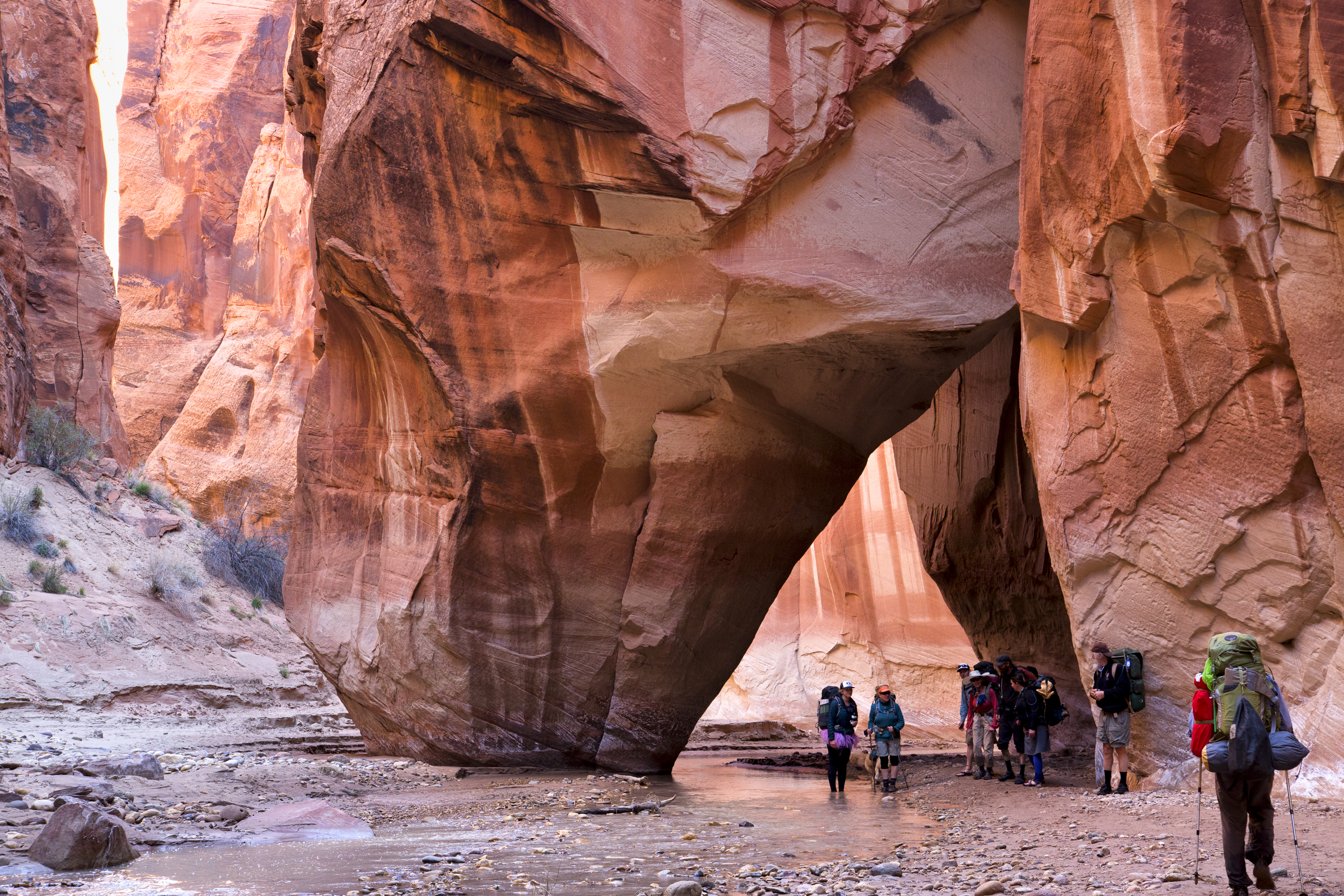
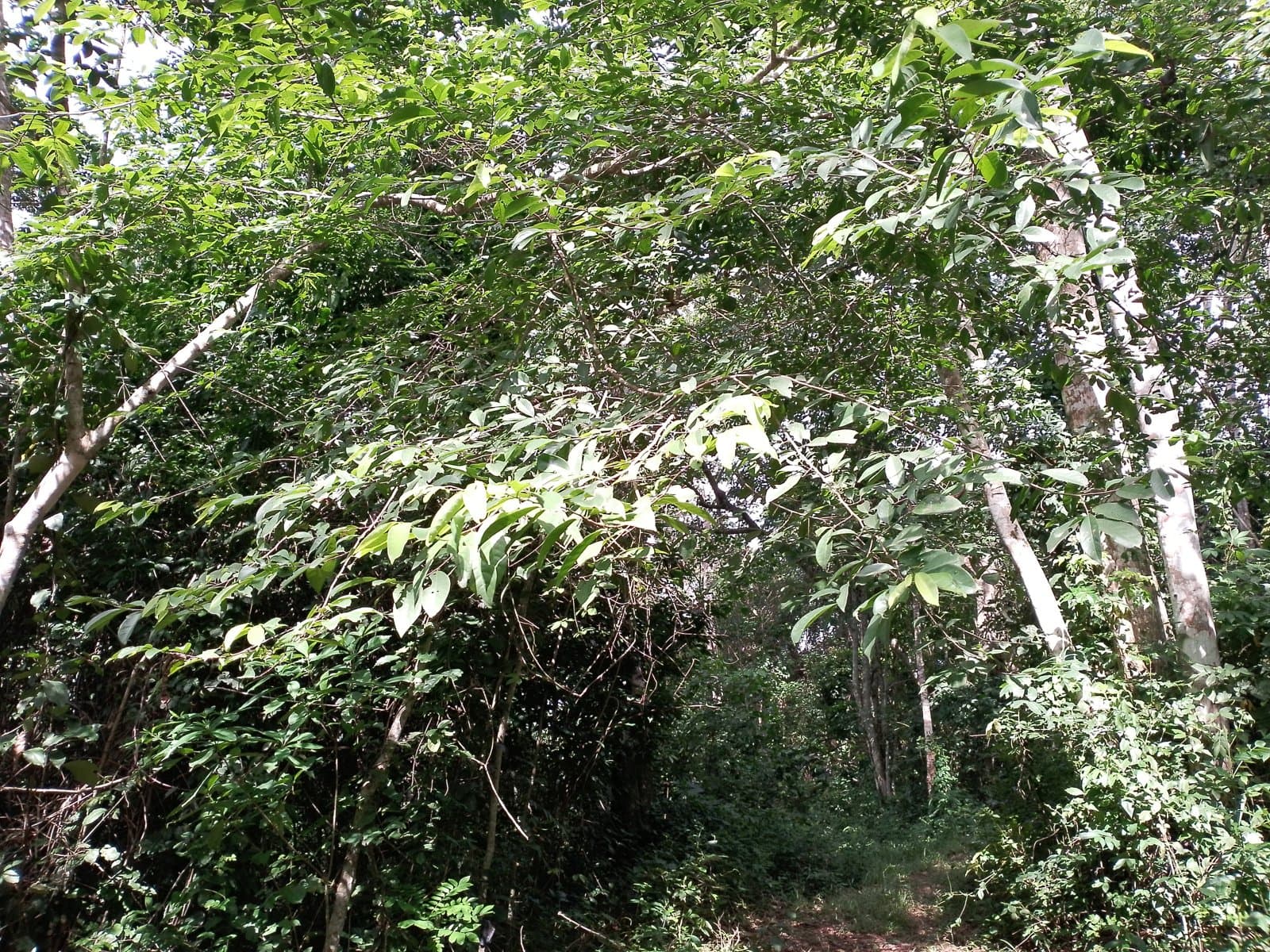
Vermilion Cliffs National Monument in northern Arizona, the public-lands setting for the Arizona-Utah California condor release program. Photo: Bob Wick for My Public Lands (Bureau of Land Management), via Wikimedia Commons (public domain). Source page: https://commons.wikimedia.org/wiki/File:-TravelTuesday_with_My_Public_Lands_(23823349114).jpg
At 11 a.m. Mountain Standard Time, The Peregrine Fund opened the release pens. Because the release is a soft launch, the young condors decide when to leave. Condor 1365 flew first after just under 20 minutes, the organization said. Condor 1341 followed about 35 minutes after the doors opened, and Condors 1382 and 1353 left seconds apart around the 45-minute mark. All four took flight within the hour, the bureau added, to applause from the crowd below. In their first days in the wild, The Peregrine Fund reported, all four showed strong, controlled flight above the cliff rim and fed from a carcass provided near the release site.
"When you become embroiled in condor recovery, it never leaves your blood," said Tim Hauck, Peregrine Fund Program Director, according to the bureau. "You are family for life, and you appreciate the birds and the people that make this happen."
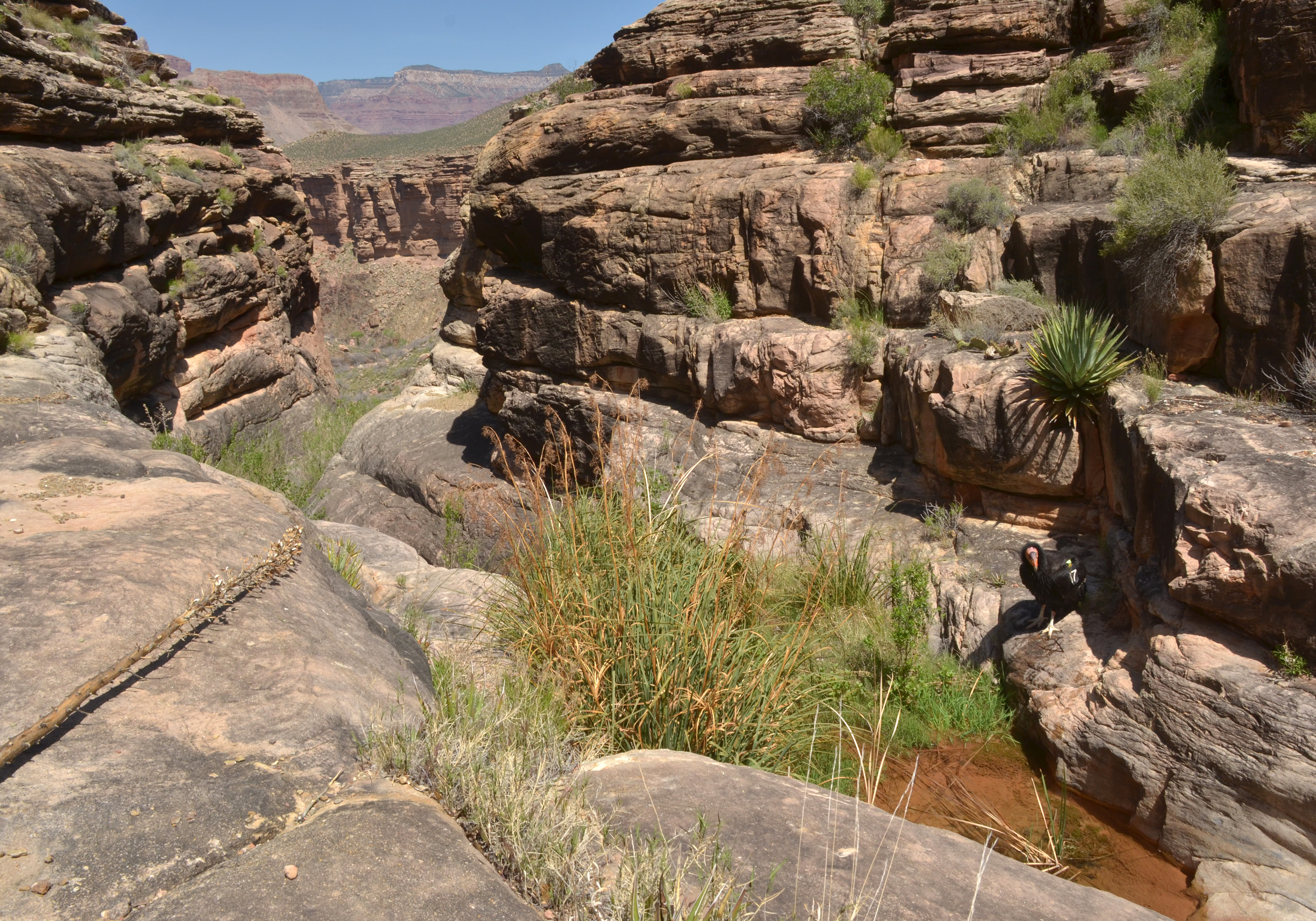
California condor No. 87 in Pipe Creek along the Tonto Trail in Grand Canyon National Park, Arizona, photographed 18 May 2011. The Arizona-Utah flock ranges across northern Arizona and southern Utah, including Grand Canyon country near Vermilion Cliffs. Photo: Michael Quinn / Grand Canyon National Park, via Flickr and Wikimedia Commons (CC BY 2.0). Source page: https://commons.wikimedia.org/wiki/File:Grand_Canyon_National_Park_California_Condor_87_3512_(5735144417).jpg
Partners were careful not to treat the anniversary as an ending. Lead poisoning remains the leading cause of death for condors, The Peregrine Fund said, and outreach to reduce threats continues. "Collaboration is key," said Bob Bate, BLM Arizona Vermilion Cliffs Monument Manager. "As land managers, we work closely with The Peregrine Fund to ensure conditions support condor recovery operations. Outreach continues to grow every year and that growth shows just how interested people are in these birds and in their public lands."
Margaret "Peggy" O'Reilly, BLM Arizona Strip Vermilion Cliffs outdoor recreation planner, told the bureau: "It wouldn't happen without collaboration. Every year the event becomes more streamlined, more refined. It gets better for the condors, and it gets better for the public."
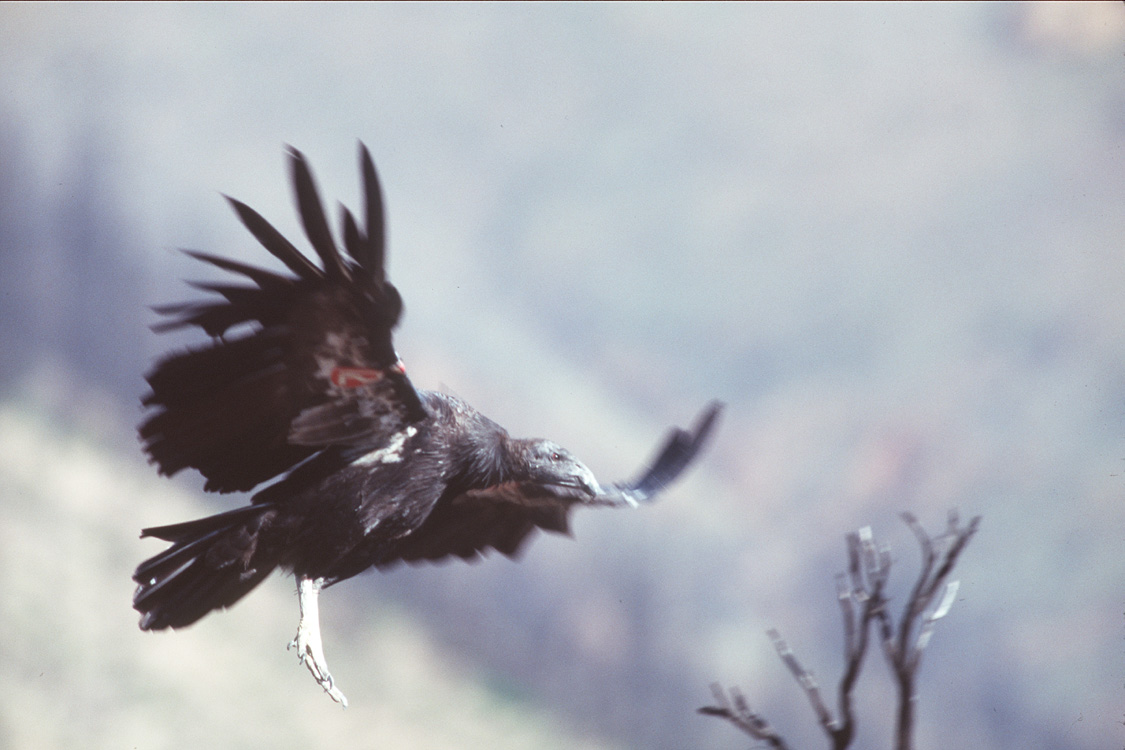
California condor (Gymnogyps californianus), U.S. Fish and Wildlife Service file photograph on Wikimedia Commons (public domain U.S. government work). Source page: https://commons.wikimedia.org/wiki/File:Gymnogyps_californianus_us_fish.jpg
The primary accounts are the Bureau of Land Management blog "Celebrating 30 Years of California Condor Recovery at Vermilion Cliffs National Monument," dated 15 October 2026 (https://www.blm.gov/blog/2026-10-15/celebrating-30-years-california-condor-recovery-vermilion-cliffs-national-monument), and The Peregrine Fund news article "Four California Condors Take Flight at Vermilion Cliffs, Marking 30 Years of Recovery," dated 18 October 2026 (https://peregrinefund.org/news/four-california-condors-take-flight-vermilion-cliffs-marking-30-years-recovery). Photographs supplied with those releases are not reproduced here; the images above are openly licensed files on Wikimedia Commons, captioned for what they show.
- environment
- conservation
- wildlife
- california-condor
- arizona
- vermilion-cliffs
- peregrine-fund
- blm